Just pull a string to turn these tile patterns into useful 3D structures

MIT researchers have developed a new method for designing 3D structures that can spring up from a flat sheet of interconnected tiles with a single pull of a string. The technique could be used to make foldable bike helmets and medical devices, emergency shelters and field hospitals for disaster zones, and much more.

Mina Konaković Luković, head of the Algorithmic Design Group at the Computer Science and Artificial Intelligence Laboratory (CSAIL), and her colleagues were inspired by kirigami, the ancient Japanese art of paper cutting, to create an algorithm that converts a user-specified 3D structure into a flat shape made up of tiles connected by rotating hinges at the corners. 

The algorithm uses a two-step method to find the optimal path through the tile pattern for a string that can be tightened to actuate the structure. It computes the minimum number of points that the string must lift to create the desired shape and finds the shortest path that connects those lift points, while including all areas of the object’s boundary that must be connected to guide the structure into its 3D configuration. It does these calculations in such a way that the string path minimizes friction, enabling the structure to be smoothly actuated with just one pull.

The actuation method is easily reversible to return the structure to its flat configuration. The patterns could be produced using 3D printing, CNC milling, molding, or other techniques.

This method could enable complex 3D structures to be stored and transported more efficiently and with less cost. Applications could include transportable medical devices, foldable robots that can flatten to enter hard-to-reach spaces, or even modular space habitats deployed by robots on the surface of Mars.

“The simplicity of the whole actuation mechanism is a real benefit of our approach,” says Akib Zaman, a graduate student in electrical engineering and computer science and lead author of a paper on the work. “The user just needs to provide their intended design, and then our method optimizes it in such a way that it holds the shape after just one pull on the string, so the structure can be deployed very easily. I hope people will be able to use this method to create a wide variety of different, deployable structures.” 

The researchers used their method to design several objects of different sizes, from personalized medical items including a splint and a posture corrector to an igloo-like portable structure. They also designed and fabricated a human-scale chair. The technique could be used to create items ranging in size from tiny objects actuated inside the body to architectural structures, like the frame of a building, that are deployed on-site using cranes.

In the future, the researchers want to further explore designs at both ends of that range. In addition, they want to create a self-deploying mechanism, so the structures do not need to be actuated by a human or robot. 

A retinal reboot for amblyopia

In the vision disorder amblyopia (or “lazy eye”), impaired vision in one eye early in life causes neural connections in the brain’s visual system to shift toward supporting the other eye, leaving the amblyopic eye less capable even if the original impairment is corrected. Current interventions don’t work after infancy and early childhood, when the brain connections are fully formed. 

Now a study in mice by MIT neuroscientist Mark Bear and colleagues shows that if the retina of the amblyopic eye is anesthetized just for a couple of days, those crucial connections can be restored, even in adulthood.

Bear’s team, which has been studying amblyopia for decades, had previously shown that this effect could be achieved by anesthetizing both eyes or the non-­amblyopic eye, analogous to having a child wear a patch over the healthy eye to strengthen the “lazy” one. 

The new study delved into the mechanism behind this effect by pursuing an earlier observation: that blocking the retina from sending signals to neurons in the part of the brain that relays information from the eyes to the visual cortex caused those neurons to fire “bursts” of electrical pulses. Similar patterns of activity occur in the visual system before birth and guide early synaptic development.

The experiments confirmed that the bursting is necessary for the treatment to work—and, crucially, that it occurs when either retina is targeted. After some mice modeling amblyopia had the affected eye anesthetized for two days, the researchers measured activity in the visual cortex to calculate a ratio of inputs from the two eyes. This ratio was much more even in the treated mice, indicating that the amblyopic eye was communicating with the brain about as well as the other one.

A key next step will be to show that this approach works in other animals and, ultimately, people.

“If it does, it’s a pretty substantial step forward, because it would be reassuring to know that vision in the good eye would not have to be interrupted by treatment,” says Bear. “The amblyopic eye, which is not doing much, could be inactivated and ‘brought back to life’ instead.”

A new way to rejuvenate the immune system

As people age, their immune function weakens. Owing to shrinkage of the thymus, where T cells normally mature and diversify, populations of these immune cells become smaller and can’t react to pathogens as quickly. But researchers at MIT and the Broad Institute have now found a way to overcome that decline by temporarily programming cells in the liver to improve T-cell function. 

To create a “factory” for the T-cell-stimulating signals that are normally produced by the thymus, the researchers identified three key factors that usually promote T cells’ maturation and encoded them into mRNA sequences that could be delivered by lipid nanoparticles. When injected into the bloodstream, these particles accumulate in the liver and the mRNA is taken up by the organ’s main cells, hepatocytes, which begin to manufacture the proteins encoded by the mRNA. 

Aged mice that received the treatment showed much larger and more diverse T-cell populations in response to vaccination, and they also responded better to cancer immunotherapy treatments.

If this type of treatment is developed for human use, says Professor Feng Zhang, the senior author of a paper on the work, “hopefully we can help people stay free of disease for a longer span of their life.” 

A I-designed proteins may help spot cancer

Researchers at MIT and Microsoft have used artificial intelligence to create molecular sensors that could detect early signs of cancer via a urine test.

The researchers developed an AI model to design short proteins that are targeted by enzymes called proteases, which are overactive in cancer cells. Nanoparticles coated with these proteins, called peptides, can give off a signal if they encounter cancer-­linked proteases once introduced into circulation: The proteases will snip off the peptides, which then form reporter molecules that are excreted in urine.

Sangeeta Bhatia, SM ’93, PhD ’97, a senior author of a paper on the work with her former student Ava Amini ’16, a principal researcher at Microsoft Research, led the MIT team that came up with the idea of such particles over a decade ago. But earlier efforts used trial and error to identify peptides that would be cleaved by specific proteases, and the results could be ambiguous. With AI, peptides can be designed to meet specific criteria.

“If we know that a particular protease is really key to a certain cancer, and we can optimize the sensor to be highly sensitive and specific to that protease, then that gives us a great diagnostic signal,” Amini says. 

Bhatia’s lab is now working with ARPA-H on an at-home kit that could potentially detect 30 types of early cancer. Peptides designed using the model could also be incorporated into cancer therapeutics.

Reformulated antibodies could be injected for easier treatment

Antibody treatments for cancer and other diseases are typically delivered intravenously, requiring patients to go to a hospital and potentially spend hours receiving infusions. Now Professor Patrick Doyle and his colleagues have taken a major step toward reformulating antibodies so that they can be injected with a standard syringe, making treatment easier and more accessible. 

The obstacle to injecting these drugs is that they are formulated at low concentrations, so very large volumes are needed per dose. Decreasing the volume to the capacity of a standard syringe would mean increasing the concentration so much that the solution would be too thick to be injected.

In 2023, Doyle’s lab developed a way to generated highly concentrated antibody formulations by encapsulating them into hydrogel particles. However, that requires centrifugation, a step that would be difficult to scale up for manufacturing.

In their new study, the researchers took a different approach that instead uses a microfluidic setup. Droplets containing antibodies dissolved in a watery prepolymer solution are suspended in an organic solvent and can then be dehydrated, leaving behind highly concentrated solid antibodies within a hydrogel matrix. Finally, the solvent is removed and replaced with an aqueous solution.

Using semi-solid particles 100 microns in diameter, the team showed that the force needed to push the plunger of a syringe containing the solution was less than 20 newtons. “That is less than half of the maximum acceptable force that people usually try to aim for,” says Talia Zheng, an MIT graduate student who is the lead author of the new study.

More than 700 milligrams of the antibody—enough for most therapeutic applications—could be administered at once with a two-milliliter syringe. The formulations remained stable under refrigeration for at least four months. The researchers now plan to test the particles in animals and work on scaling up the manufacturing process. 

Vine-inspired robot fingers can reach out and grab someone

In the horticultural world, some vines are especially grabby. As they grow, the woody tendrils can wrap around obstacles with enough force to pull down fences and trees.

Inspired by vines’ twisty tenacity, engineers at MIT and Stanford University have developed a robotic gripper that can snake around and lift a variety of objects and even people, offering a gentler approach than conventional gripper designs. 

The new bot consists of a pressurized box from which long, vine-like tubes inflate and grow. As they extend, the vines twist and coil around the object before continuing back toward the box, where their tips are automatically clamped in place and they are mechanically wound back up to gently lift the object in a sling-like grasp.

The researchers envision applications from agricultural harvesting to loading and unloading heavy cargo. In the near term, they are exploring uses in eldercare, such as helping to safely lift a person out of bed. Often in nursing and rehabilitation settings, this transfer process is done with a patient lift, which requires a caretaker to maneuver the person onto a hammock-like sheet that can be hooked to the device and hoisted up. This manual step is unnecessary with the robotic system. 

“Transferring a person out of bed is one of the most physically strenuous tasks that a caregiver carries out,” says Kentaro Barhydt, a PhD candidate in MIT’s Department of Mechanical Engineering and one of the lead authors of a paper on the work. “This kind of robot can help relieve the caretaker, and can be gentler and more comfortable for the patient.”

The key to the system, whose design was developed by Professor Harry Asada’s lab at MIT and Professor Allison Okamura’s lab at Stanford, is that it combines “open loop” and “closed loop” actions. In an open-loop configuration, a robotic vine can grow and twist around an object, even burrowing under someone lying on a bed. Then it can continue to grow back toward its base and attach to a winch, creating a closed loop that can be retracted to lift the object. 

“People might assume that in order to grab something, you just reach out and grab it,” Barhydt says. “But there are different stages, such as positioning and holding. By transforming between open and closed loops, we can achieve new levels of performance by leveraging the advantages of both forms for their respective stages.”

While the team’s design was initially motivated by challenges in eldercare, it can also be adapted to other grasping tasks. A smaller version has been attached to a commercial robotic arm to lift a variety of heavy and fragile objects, including a watermelon, a glass vase, and a kettlebell. The vines can also snake through a cluttered bin to pull out a desired object.

“We think this kind of robot design can be adapted to many applications,” Barhydt says. “We are also thinking about applying this to heavy industry, and things like automating the operation of cranes at ports and ­warehouses.”

Using big data for good

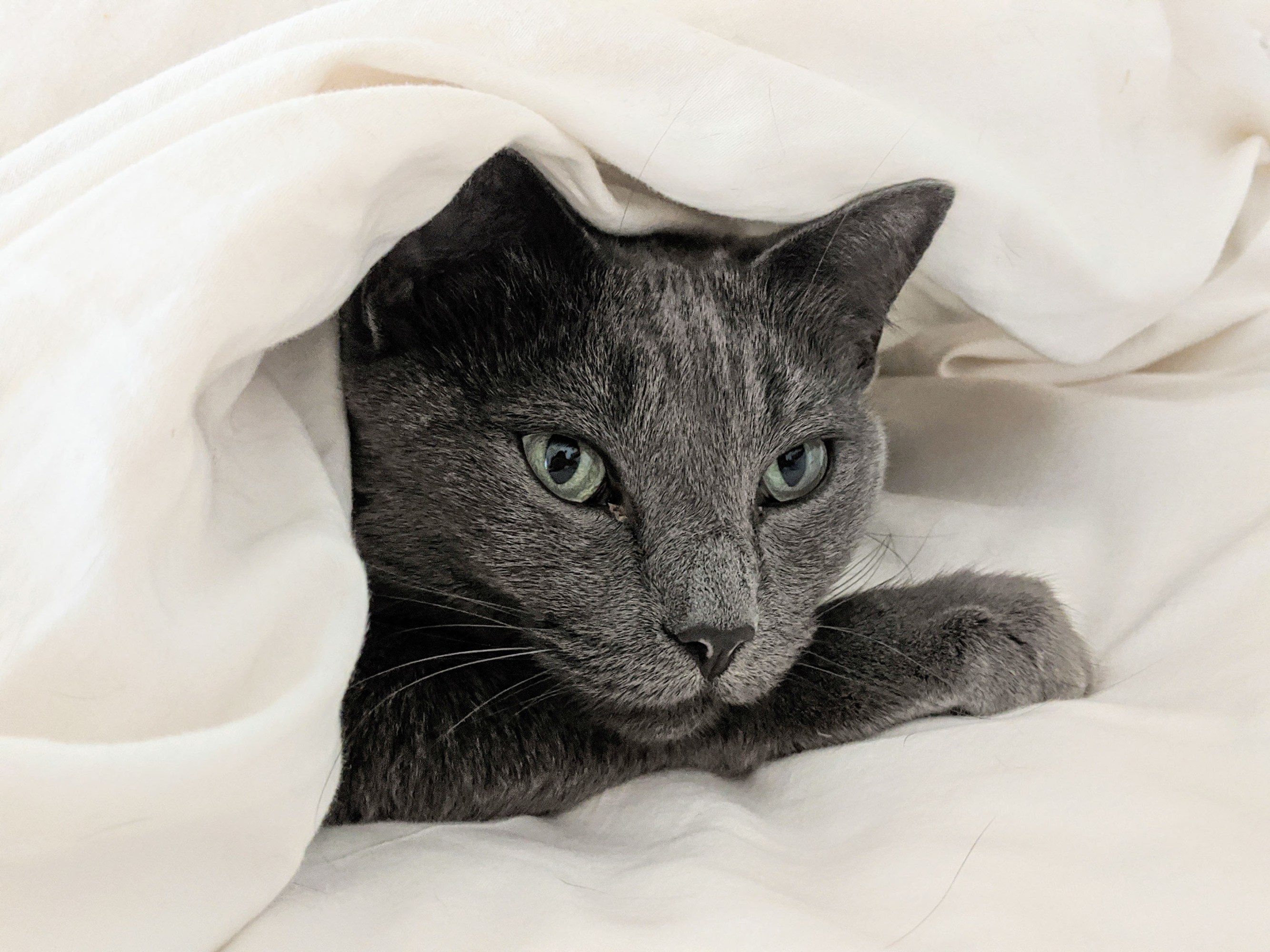
A photogenic green-eyed Russian Blue named Petra might just be the world’s most sequenced cat. Petra was rescued from an animal shelter in Reno, Nevada, by Charlie Lieu, MBA ’05, SM ’05, a data whiz, serial entrepreneur, investor, and cofounder of Darwin’s Ark, a community science nonprofit focused on pet genetics. Since becoming Lieu’s furry friend, Petra has had her DNA fully sequenced six times and extracted nearly 60 times, all in the name of science. 

Petra is just one of more than 67,000 cats and dogs whose information has been entered by their human caretakers into the Darwin’s Ark databases, which the organization’s researchers and collaborators are using to try to better understand pet health and behavior. Since its founding in 2018, Darwin’s Ark has helped researchers probe everything from cancer to sociability to whether or not trainability is inherited, allowing them to debunk stereotypes about dog breeds and investigate similarities between complex diseases in humans and animals. 

Petra under the covers of a bed
Petra is always ready for a close-up.
COURTESY OF CHARLIE LIEU

DNA testing for dogs  is common at this point, with multiple for-profit companies offering to break down your pet’s breed background for a fee. But Lieu and her Darwin’s Ark cofounder, Elinor K. Karlsson, wanted to go beyond offering individualized DNA reports and invite humans to participate in surveys about how their pets play and socialize, and even whether or not they get the zoomies right after using the litter box. This approach pairs DNA with vast amounts of behavioral data collected by the people who know these animals best, thus harnessing the power of humans’ love for their pets to advance cutting-­edge science. 

In the process, Darwin’s Ark has solved a problem that is often an obstacle in human medicine: how to get the enormous quantity of data needed to actually understand, and eventually solve, medical problems. 

It was this problem that initially interested Lieu, who is chief of research operations for Darwin’s Ark, in pet genetics. Lieu spent some of the early, formative years of her career working on the Human Genome Project at the Broad Institute, where she first collaborated with Karlsson—and remembers sleeping under her desk in the late ’90s while “babysitting” servers in case they needed to be rebooted in the middle of the night. For many years, her North Star was cancer research: Her mom had died of cancer, “nearly everyone” on her mom’s side of the family got cancer at some point, and Lieu herself had her first of multiple tumors removed at age 17. 

Researchers used data collected by Darwin’s Ark to show that just 9% of variations in dog behavior can be predicted by breed.

Throughout her nearly 30 years working with the Broad and other initiatives related to such research, Lieu has often felt struck by how difficult it is to study complex diseases like cancer. Gathering extensive data about people while maintaining their legally mandated privacy can be tricky, as is getting them to participate in strict protocols over the course of many years (an issue she has also experienced from the other side, since she is enrolled in multiple longitudinal studies).

About a decade ago, Lieu reconnected with Karlsson, who had moved on from the Human Genome Project to work on animal genetics and was engaging with pet owners in her research. Karlsson bemoaned how hard it was to get the large-scale genomic data needed to advance scientific understanding, and something clicked. What if they could tap into Lieu’s expertise with big data platforms and her experience starting nonprofits to collect genomic data from pets as a proxy for understanding complex diseases and behavior? “We talked a lot about how we [might] enable a platform that could help us collect the right kinds of data at the level that’s necessary in order to do the kinds of science that the world needs,” Lieu says. That might be hard with humans, but “everybody wants to talk about their dogs and cats, right?”

Thus Darwin’s Ark was born. Initially it focused on dogs, and using its data, Karlsson and a team from the Broad and elsewhere were able to demonstrate that just 9% of variations in behavior can be predicted by breed—much less than people might think. Lieu hopes the finding will help certain much-­maligned breeds such as pit bulls, which tend to be adopted at lower rates and sometimes are even put down on the basis of faulty assumptions about their behavior. 

But the work Darwin’s Ark is doing isn’t just helping pets—it could benefit humans, too, as researchers increasingly probe the links between human and animal cancers. 

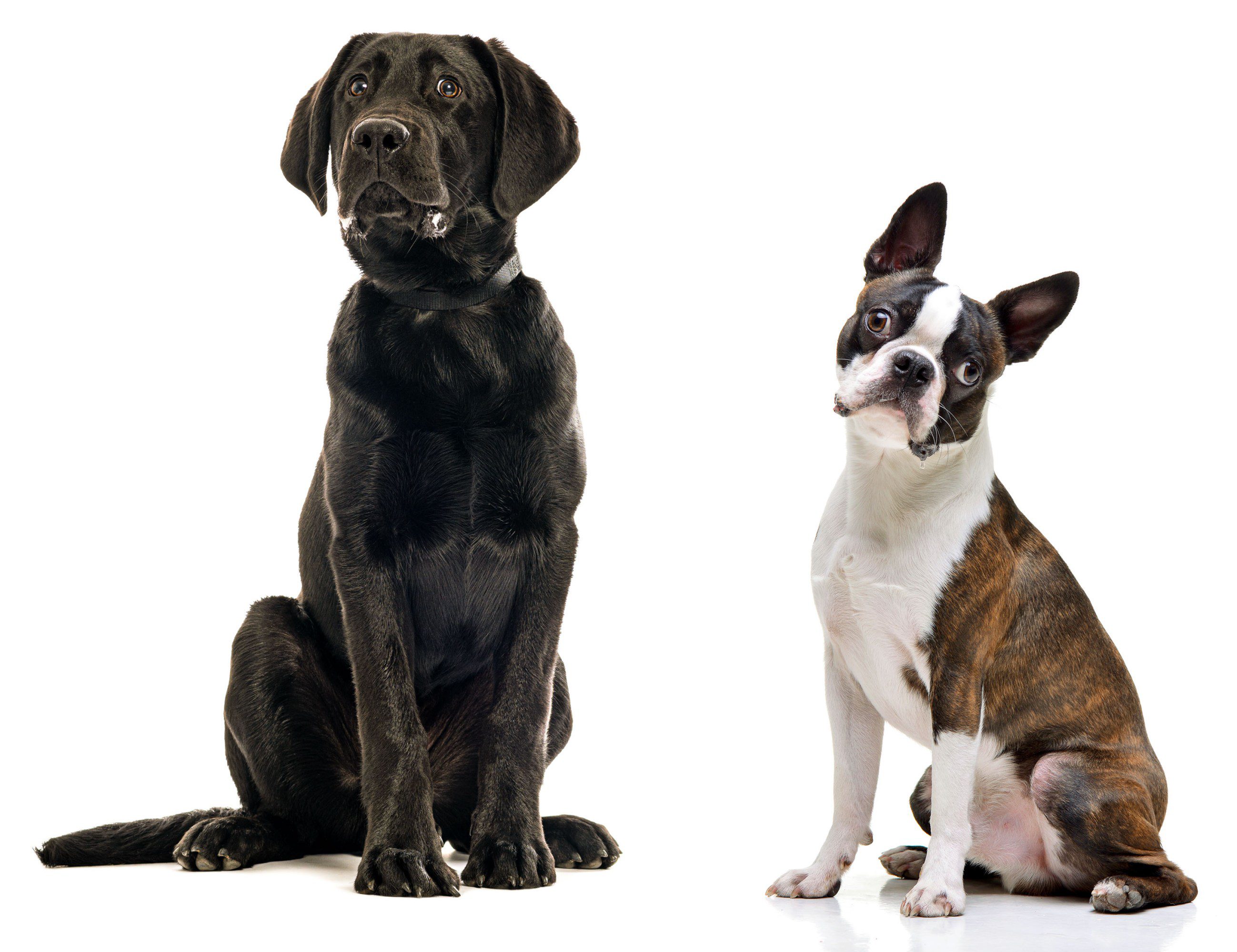
Black labrador puppy and a Boston terrier
Darwin’s Ark initially focused on collecting DNA data from dogs; the nonprofit also invites humans to take part in surveys on such things as how their pets play and socialize.
GETTY IMAGES

“We were involved in some early dog work in cancer, where we collaborated with another group to understand whether or not you could take a blood draw and figure out whether or not the animal has cancer,” says Lieu. “Turns out you could. And in the last couple of years, an FDA-approved test has been available for humans to figure out whether or not you have lung cancer. All that work started in dogs, so you could start to see the power of doing something in animals that then impacts human health.”

Darwin’s Ark broadened its focus to cats in 2024, and while it’s too soon for any results, even the research methods are proving interesting. The usual way to extract DNA from a living animal is by swabbing the inside of a cheek. Dogs don’t mind the process, but cats are not as amenable to having things stuck in their mouths. Nor do cats appreciate having hairs plucked out with their follicles, another potential source of DNA for sequencing. So Chad Nusbaum, PhD ’91, another Human Genome Project colleague that Lieu recruited, helped the Darwin’s Ark team figure out how to effectively extract DNA from fur or hair that has been shed—a big breakthrough for the field. (This means, in practice, that cats’ DNA is collected by brushing their fur. Now the cats “not only don’t mind sample collection—some of them really enjoy it,” Nusbaum says with a laugh.) 

That’s good for cats, but it could also have far-reaching implications in the world of conservation, where obtaining DNA from endangered or sensitive animals via blood or skin samples can be prohibitively difficult or distressing to the animals. Being able to rely instead on a few strands of naturally shed hair could unlock new frontiers for conservationists working with sensitive species.

The knowledge that progress on such crucial issues could come from inside or outside the organization was what led Lieu and Karlsson to structure Darwin’s Ark as a nonprofit and make its data available for free to researchers outside commercial settings. While it already periodically shares its sequence data in various public repositories, those repositories are managed by different entities, making it more difficult for scientists to use the information. So researchers must often write in, explain what they’re trying to do, and put in a custom request.Darwin’s Ark just got a grant that will allow it to begin building a public portal for the data, making it far easier for researchers to access, match, and use.

“Our hope is that we would be able to create a data set that scientists around the world would be able to leverage to elucidate whatever it is that they’re doing,” Lieu says. “Whether you’re a cancer scientist or a neurological scientist or an immunology-focused scientist, any number of complex disease areas could be helped by having very massive data sets.”


For Lieu, Darwin’s Ark is but the latest line in a long and wide-ranging résumé that includes stints at Amazon and NASA. “The thread that ties it all together is big data,” she says.

After living and breathing data in her work on the Human Genome Project, Lieu tackled a very different big data challenge at Amazon on a team that collected data on warehouse fulfillment. Drawing on her biological sciences background, she developed an evolutionary algorithm for outbound logistics that made it possible—without constantly analyzing the data—to dynamically optimize storage and dramatically lower fulfillment costs.  The founder or cofounder of at least a dozen ventures to date, she built on her experience at Amazon with her most recent startup, a logistics company called AirTerra that helps e-commerce retailers streamline delivery by bringing together highly fragmented last-mile shipping providers under one umbrella. Officially founded in 2020, it quickly achieved unicorn status and was acquired by the fashion company American Eagle Outfitters in 2021. While Lieu chalks some of that success up to luck (“You start a shipping and logistics organization in the pandemic—of course you’re going to get acquired”), her cofounder Brent Beabout, MBA ’02, is quick to point to the skill and work ethic that made her “luck” possible. 

Besides being “highly collaborative” and “super knowledgeable,” Lieu gave her all in a way that set her apart, according to Beabout. “She is a passionate person,” he says. “I’ve never seen a person that worked as many hours as Charlie did … I don’t think she ever slept.”

Lieu jokes that she’s in a “midlife crisis” as she sorts out what to do next, because there’s so much she could do. So she’s looking for the “biggest thing” she can do for the world.

Though Lieu has made out well as an entrepreneur, she grew up “well below the poverty line.” Both those experiences shaped the kind of investor she’s become: one who is distinctly interested in helping other entrepreneurs confront barriers. “I wanted to look back on all the obstacles that I had faced coming up,” she says. “Not just as a woman, not just as a person of color, but [also] the economic barriers of not having the network, not being able to access other people who have been successful, not even understanding the basics of financial markets.” To that end, she’s spent much of her career trying to give back through mentorship and direct investment in ventures started by founders from underrepresented backgrounds.

Her passion for social causes doesn’t end there. Lieu has also volunteered with her local trails association and served on a wide range of boards near her home in the Seattle area. In the mid 2010s, an outdoors-focused organization where she was on the board came under fire for having given a platform to a rock climber who had been credibly accused of sexual assault. As a climber herself, Lieu had assumed that sexual assault wasn’t a major problem in those circles—but, being data-minded as always, she came up with a plan to conduct a survey about the issue while protecting respondents’ anonymity.

Lieu on a hike with her goddaughter, Mary Ann Seek (center), and Darwin’s Ark cofounder Elinor Karlsson.
COURTESY OF CHARLIE LIEU

That survey grew into SafeOutside, a grassroots movement focusing on combating sexual assault in the outdoors community. After parsing the data—and realizing just how widespread the problem was—Lieu spent years interviewing individual survivors about their experiences and eventually partnered with Alpinist magazine to publicize and share the results of the survey. Beyond sparking much-needed conversation, the initiative turned out to be instrumental in getting Charlie Barrett, a once-celebrated professional climber, put behind bars. He is now serving a life sentence after his conviction for repeatedly sexually assaulting a female climber at Yosemite National Park. Three additional women testified at his trial that they had also been sexually assaulted by Barrett.

Katie Ives, the editor Lieu worked with on the project at Alpinist, remembers being impressed by Lieu’s “sense of caring and compassion and her determination to amplify the voices of people who have been marginalized by history or by the climbing community.” She describes Lieu as a person “whose life is very much driven by a sense of ethical purpose.”

At first Lieu worked on SafeOutside quietly; fearing professional repercussions, she asked that her name be omitted or mentioned only in passing in reporting on the project. She reasoned that the subject made people uncomfortable. But in early 2025, she began to discuss it more openly. “That’s actually part of the problem, right? People who have status refusing to talk about an issue that’s so prevalent,” she says. Today, she’s more outspoken than ever and wants to encourage others with any kind of social clout to speak up as well.

In some ways, this reevaluation of her approach reflects the crossroads at which Lieu now finds herself. After years of starting new ventures, serving on seemingly endless boards, and typically getting by on three to five hours of sleep a night, she’s finally taking a step back: saying no to board positions, pressing pause on new venture ideas, and even hiring a team that allows her to pass off more of her Darwin’s Ark work to other people. Lieu has always liked—and is especially good at—shepherding new companies through the startup and early growth stages. So she’s been recruiting a new leadership team to take over the reins as Darwin’s Ark prepares for its next phase of growth. She’s aiming to step away from day-to-day operations this spring and will remain a board member and active advisor—and jokes that she’s in a sort of “midlife crisis” at age 50 as she tries to sort out what to do next, because there’s so much she could do.

In this new chapter, Lieu says, she’s trying to identify the “biggest thing” she can be doing for the world in this moment. For now, she’s leaning toward working on economic inequality and reproductive health access, which she says are inextricably tied not only to each other but also to ecology and sustainability.

If her past endeavors—from promoting the well-being of cats to pursuing cures for cancer—are any indication, any cause she devotes herself to will be lucky to have her. “She’s just somebody who gets things done,” says Ives.  

And all the data on Lieu says that’s not going to change.

A boost for manufacturing

Several years ago, Suzanne Berger was visiting a manufacturing facility in Ohio, talking to workers on the shop floor, when a machinist offered a thought that could serve as her current credo. 

“Technology takes a step forward—workers take a step forward too,” the employee said. 

Berger, to explain, is an MIT political scientist who for decades has advocated for the revitalization of US manufacturing. She has written books and coauthored reports about the subject, visited scores of factories, helped the issue regain traction in America, and in the process earned the title of Institute Professor, MIT’s highest faculty honor. 

Over time, Berger has developed a distinctive viewpoint about manufacturing, seeing it as an arena where technological advances can drive economic growth and nimble firms can thrive. 

This stands in contrast to the view that manufacturing is a sunsetting part of the US economy, lagging behind knowledge work and service industries and no longer a prime source of jobs. To Berger, the sector might have suffered losses, but we should think about it differently now: Rather than being threatened by change, it can thrive on innovation.

She is keenly interested in medium-size and small manufacturers, not just huge factories, given that 98% of US manufacturers have 500 or fewer employees. And she is interested, especially, in how technology can help them. Roughly one-tenth of US manufacturers use robots, for instance, a number that clearly disappoints her. 

Her focus on these smaller manufacturers is pragmatic. The US is not going to bring back textile manufacturing or steelmaking jobs anytime soon. And although the tech giants have made some concessions to domestic manufacturing, all major product lines from all tech companies are made largely overseas. Small and midsize firms may also have more opportunities to be flexible and innovative.

And in the middle of Ohio, there it was, in a simple sentence: Technology takes a step forward—workers take a step forward too. 

“I think workers do recognize that,” Berger says, sitting in her MIT office, with a view of East Cambridge out the window. “People don’t want to work on technologies of the 1940s. People do want to feel they’re moving to the future, and that’s what young workers also want. They want decent pay. They want to feel they’re advancing, the company is advancing, and they are somehow part of the future. That’s what we all want in jobs.”

Now Berger is part of a new campus-­wide effort to do something tangible about these issues. She is a co-director of MIT’s Initiative for New Manufacturing (INM), launched in May 2025, which aims to reinvigorate the business of making things in the US. The idea is to enhance innovation and encourage companies to tightly link their innovation and production processes. This lets them rapidly fine-tune new products and new production technologies—and create good jobs along the way.

“We want to work with firms big and small, in cities, small towns, and everywhere in between, to help them adopt new approaches for increased productivity,” MIT President Sally A. Kornbluth explained at the launch of INM. “We want to deliberately design high-quality, human-centered manufacturing jobs that bring new life to communities across the country.” 

An unexpected product

Whether she is examining data, talking to visitors about manufacturing, or venturing into yet another plant to look around and ask questions, Berger’s involvement with the Initiative for New Manufacturing is just the latest chapter in a fascinating, unpredictable career. 

Once upon a time—her first two decades in academia—Berger was a political scientist who didn’t study either the US or manufacturing. She was a highly regarded scholar of French and European politics, whose research focused on rural workers, other laborers, and the persistence of political polarization. After growing up in New Jersey, she attended the University of Chicago and got her PhD from Harvard, where she studied with the famed political scientist Stanley Hoffmann. 

Berger joined the MIT faculty in 1968 and soon began publishing extensively. Her 1972 book, Peasants Against Politics, argued that geographical political divisions in contemporary France largely replicated those seen at the time of the French Revolution. Her other books include The French Political System (1974) and Dualism and Discontinuity in Industrial Societies (1980), the latter written with the MIT economist Michael Piore. 

By the mid-1980s, Berger was a well-established, tenured professor who had never set foot in a factory. In 1986, however, she was named to MIT’s newly formed Commission on Industrial Productivity on the strength of her studies about worker politics and economic change. The commission was a multiyear study group examining broad trends in US industry: By the 1980s, after decades of postwar dominance, US manufacturing had found itself challenged by other countries, most famously by Japan in areas like automaking and consumer electronics. 

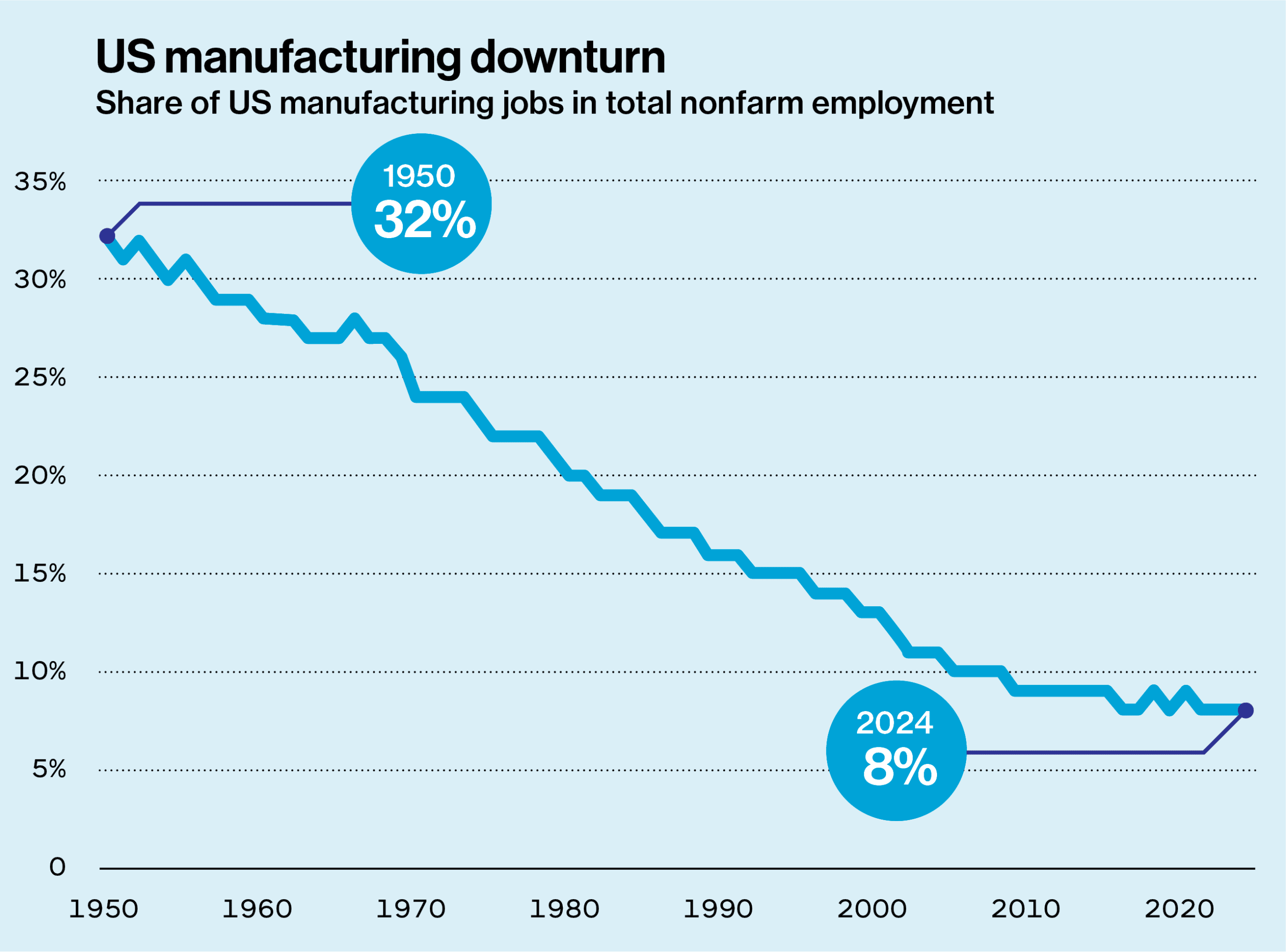
chart showing US manufacturing downturn. Share of US manufacturing jobs in total nonfarm employment.  A callout shows 1950 to be at 32% and the downward trend continues to fall to 8% in 2024.

US BUREAU OF LABOR STATISTICS

Two unexpected things emerged from that group. One was a best-selling book. Made in America: Regaining the Productive Edge, coauthored by Michael Dertouzos, Richard Lester, and Robert Solow, rapidly sold 300,000 copies, a sign of how much industrial decline was weighing on Americans. Looking at eight industries, Made in America found, among other things, that US manufacturers overemphasized short-term thinking and were neglecting technology transfer—that is, they were missing chances to turn lab innovations into new products.

The other unexpected thing to materialize from the Commission on Industrial Productivity was the rest of Suzanne Berger’s career. Once she started studying manufacturing in close empirical fashion, she never really stopped. 

“MIT really changed me,” Berger told MIT News in 2019, referring to her move into the study of manufacturing. “I’ve learned a lot at MIT.”

At first she started examining some of the US’s important competitors, including Hong Kong and Taiwan. She and Richard Lester co-edited the books Made by Hong Kong (1997) and Global Taiwan (2005), scrutinizing those countries’ manufacturing practices.

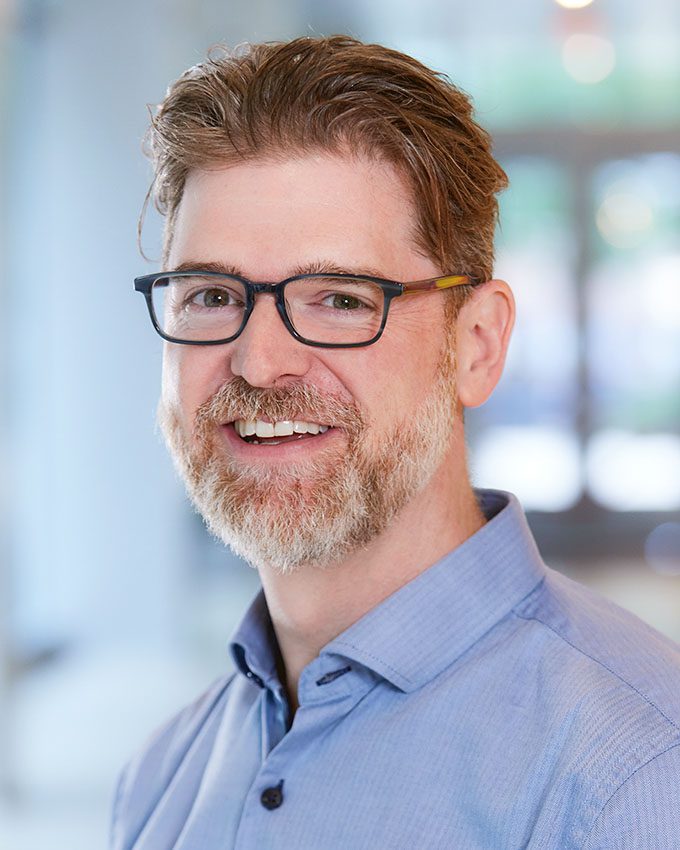
Christopher Love
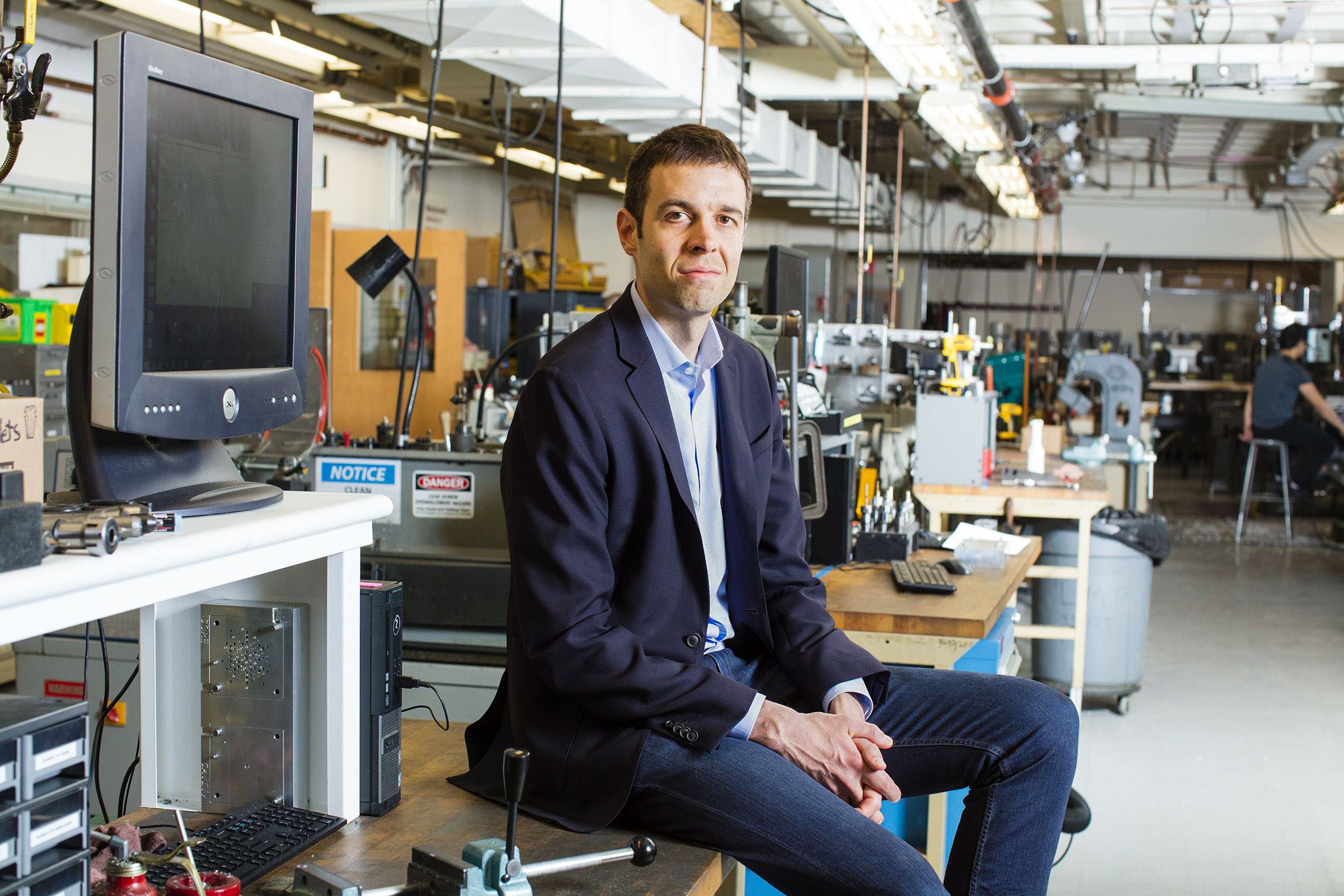
Christopher Love, a co-director of MIT’s Initiative for New Manufacturing
WEBB CHAPPELL

Over time, though, Berger has mostly turned her attention to US manufacturing. She was a core player in a five-year MIT examination of manufacturing that led her to write How We Compete (2006), a book about why and when multinational companies start outsourcing work to other firms and moving their operations overseas.

She followed that up by cochairing the MIT commission known as Production in the Innovation Economy (PIE), formed in 2010, which looked closely at US manufacturing, and coauthored the 2013 book Making in America, summarizing the ways manufacturing had started incorporating advanced technologies. Then she participated extensively in MIT’s Work of the Future study group, whose research concluded that while AI and other technologies are changing the workplace, they will not necessarily wipe out whole cohorts of employees.

“Suzanne is amazing,” says Christopher Love, the Raymond A. (1921) and Helen E. St. Laurent Professor of Chemical Engineering at MIT and another co-­director of the Initiative for New Manufacturing. “She’s been in this space and thinking about these questions for decades. Always asking, ‘What does it look like to be successful in manufacturing? What are the requirements around it?’ She’s obviously had a really large role to play here on the MIT campus in any number of important studies.” 

“If I have a great idea for a new drug or food product … if I have to ship it off somewhere to figure out if I can make it or not, I lose time, I lose momentum, I lose financing.”

Christopher Love

“She always asks challenging questions and really values the collaboration between engineering and social science and management,” says John Hart, head of the MIT Department of Mechanical Engineering, director of the Center for Advanced Production Technologies, and the third co-director, with Berger and Love, of the Initiative for New Manufacturing.

Moreover, Love adds, “the number of people she’s trained and mentored and brought along through the years reflects her commitment.” 

For instance, Berger was the PhD advisor of Richard Locke, currently dean of the MIT Sloan School of Management. Separately, she spent nearly two decades as director of MISTI, the MIT program that sends students abroad for internships and study. Basically, Berger’s footprints are all around MIT.

And now, in her 80s, she is helping to lead the Initiative for New Manufacturing. Indeed, she came up with its name herself. The initiative raises a couple of questions. What is new in the world of US manufacturing? And what can MIT do to help it?

Home alone

To start with, the Initiative for New Manufacturing is an ongoing project designed to enhance many aspects of US manufacturing. Berger’s previous efforts ended in written summaries—which have helped shape public dialogue around manufacturing. But the new initiative was not designed with an endpoint in mind.

Since last spring, the Initiative for New Manufacturing has signed up industry partners—Amgen, Autodesk, Flex, GE Vernova, PTC, Sanofi, and Siemens—with which it may collaborate on manufacturing advances. It has also launched a 12-month certificate program, the Technologist Advanced Manufacturing Program (TechAMP), in partnership with six universities, community colleges, and technology centers. The courses, held at the partner institutions, give manufacturing employees and other students the chance to study basic manufacturing principles developed at MIT. 

“We hope that the program equips manufacturing technologists to be innovators and problem-solvers in their organizations, and to effectively deploy new technologies that can improve manufacturing productivity,” says Hart, an expert in, among other things, 3D printing, an area where firms can find new manufacturing applications.

But to really grasp what MIT can do today, we need to look at how manufacturing in the US has shrunk. 

The first few decades after World War II were a golden age of American manufacturing. The country led the world in making things, and the sector accounted for about a quarter of US GDP throughout the 1950s. In recent years, that figure has hovered around 10%. 

In 1959 there were 15 million manufacturing jobs in the US. By 1979, the rapidly growing country had around 20 million such jobs, even as the economy was diversifying. But the 1980s and the first decade of the 2000s saw big losses of manufacturing jobs, and there are about 12.8 million in the US today.

As even Berger will acknowledge, the situation is not going to turn around instantly. 

“Manufacturing at the moment is really still in decline,” she says. “The number of workers has gone down, and investment in manufacturing has actually gone down over the last year.” 

As she sees it, diminished manufacturing capacity is a problem for three big reasons: It hurts a country’s general innovation capacity, it makes it harder to respond to times of need (such as pandemics), and it’s bad for national security. 

“If you look at what the defense industrial base is in the United States, it is the same industrial base we’re talking about, with old technology,” she says. That is, defense technology comes from the same firms that haven’t updated their production methods lately. “Our national security is sitting on top of a worn-out industrial base,” Berger says, adding: “It’s a very stark picture.” 

However, the first point—that manufacturing more makes a country more innovative—is the most essential conclusion she has developed on this subject. Production and innovation go better together. The ability to make things stems from innovation, but our useful advances are not just abstract lab discoveries. They often get worked out while we produce stuff. 

“Innovation is closely connected to production, and if we outsource and offshore all our production, we’re also offshoring and outsourcing our innovation capabilities,” Berger says. “If we go back 40 years, the whole manufacturing landscape has changed in ways that are very detrimental to the US capabilities. The great American companies of 40 years ago were all vertically integrated and did everything from basic R&D through sales.” Think of General Electric, IBM, and DuPont. 

Berger continues: “There was a technological disruption in the late 1980s and early 1990s, when people discovered it was possible to separate design and production. In the past, if you were making wafers, the chip designer and the engineer who figured out how to make the chip had to be together in the same plant. Once you were able to send that all as a digital file over the internet, you could separate those things. That’s what made outsourcing and offshoring more feasible.”

Meanwhile, seeing the possibilities of offshoring, markets started punishing big firms that didn’t pare down to their “core competency.” Companies like AT&T and Xerox used to run famous research departments. That is no longer how such firms work. “DuPont closed the basic research labs that discovered nylon,” Berger notes. But back in the 1930s, DuPont was able to move that material from the lab to the market within five years, building a factory that quickly scaled up production of wildly popular nylon stockings. “The picture looked a little different,” she says. 

Indeed, she says, “we had a radical change in the structure of companies. With the collapse of the vertically integrated companies, huge holes opened up in the industrial ecosystem.” Major companies that did their own research, trained workers, and manufactured in the US had spillover effects, producing the advances and the skilled, talented workers who populated the whole manufacturing ecosystem. “Once the big firms were no longer doing those activities, other companies were left home alone,” Berger says, meaning they were unable to afford research activities or generate as many advances. “All of this explains the state we see in manufacturing today. The big question is, how do we rebuild this?”

“Innovation can come from anywhere”

Over a decade ago, Christopher Love received a US Department of Defense grant to develop a small, portable system for creating biologic drugs, which are made from living organisms or their products. The idea was to see if such a device could be taken out onto the battlefield. The research was promising enough for Love to cofound a startup, Sunflower Therapeutics, that focuses on small-scale protein production for biopharmaceutical manufacturing and other medical applications. One might characterize the original project as either a piece of military equipment or a medical advance. It’s also a case study in new manufacturing. 

John Hart
John Hart, a co-director of MIT’s Initiative for New Manufacturing
M SCOTT BRAUER

After all, Love and his colleagues created a new method for making batches of certain types of drugs. That’s manufacturing; it’s an innovation leading directly to production, and the small size of the operation means it won’t get shipped overseas. And, as Love enjoys pointing out, his team’s innovation is hardly the first case of using living cells to make a product for nearby consumption. Your local craft brewery is actually a modestly sized manufacturer that won’t be shipping its jobs overseas either. 

“The emerging generation of manufacturing has this new equilibrium between automation (machines, robots), human work, and software and data.”

John Hart

“Innovation can come from anywhere,” Love says. “What you really need is access to production. This is something Suzanne has been thinking about for a long time—that proximity. The same thing can happen in biomanufacturing. If I have a great idea for a new drug or food product or new material, if I have to ship it off somewhere to figure out if I can make it or not, I lose time, I lose momentum, I lose financing. I need that manufacturing to be super close.”

New manufacturing can come in multiple forms and, yes, can include robots and other forms of automation. The issue is complex. Robots do replace workers, in the aggregate. But if they increase productivity, firms that are early adopters of robots grow more than other firms and employ more people, as economic studies in France, Spain, and Canada have shown. The wager is that a sensible deployment of robots leads to more overall growth. Meanwhile, US firms added more than 34,000 robots in workplaces in 2024; China added nearly 300,000. Berger hopes US firms won’t be technology laggards, as that could lead to an even steeper decline in the manufacturing sector. Instead, she encourages manufacturers to use robots productively to stay ahead of the competition. 

“The emerging generation of manufacturing has this new equilibrium between automation (machines, robots), human work, and software and data,” Hart says. “A lot of the interesting opportunities in manufacturing, I think, come from the combination of those capabilities to improve productivity, improve quality, and make manufacturing more flexible.”

Another form of new manufacturing may happen at firms that, like the old heavyweight corporations, see value in keeping research and development in-house. At the Initiative for New Manufacturing launch event in May, one of the speakers was JB Straubel, founder of Redwood Materials, which recycles rechargeable batteries. The company has figured out how to extract materials like cobalt, nickel, and lithium, which otherwise are typically mined. To do so, the company has had to develop a variety of new industrial processes—again, one of the keys to reviving manufacturing here.

“Whether you’re building a new machine or trying a new process … acquiring a new technology is one of the most important ways a company can innovate,” Berger says. Although she acknowledges that “innovation is risky, and everything does not succeed,” she points out that “a single focus on optimization [in firms] has not served us well.”

Manufacturing success stories 

The future of US manufacturing, then, can take many forms. But Berger, when she visits factories, is consistently struck by the vintage machines often on display. She tells the story of a manufacturer she visited within the last couple of years that not only uses milling machines made during World War II but buys them up when other firms in the field discard them. 

“If you have all old equipment, your productivity is going to be low, your profits are going to be low, you’ll want low-skill workers, and you’re only going to be able to pay low wages,” she says. “And each one of those features reinforces the others. It’s like a dead-end trap.”

But things don’t need to be this way, Berger believes. And in some places, she visits firms that represent manufacturing success stories. 

“The idea that Americans don’t like manufacturing, that it’s dirty and difficult—I think this is totally [wrong],” she says. “Americans really do like making things with their hands, and Americans do think we ought to have manufacturing. Whenever I’ve been in a plant where it seems well run—and the owners, the managers, are proud of their workers and recognize their accomplishments, and people are respected—people seem pleased about having those jobs.”

Flash back to the exchange Berger had with that worker in Ohio, and the vision for the Initiative for New Manufacturing falls further into place: Technological change has a key role to play in creating that kind of work. Okay, US manufacturing may not be overhauled overnight. It will take an effort to change it, one midsize manufacturer after another. But getting that done seems vital for Americans in Ohio, in Massachusetts, and all over.  

“We really see a moral imperative,” Berger says, “which is to be able to reach out to the whole country to try to rebuild manufacturing.”

Innovation on the move

The Massachusetts Bay Trans­portation Authority moves hundreds of thousands of people across Greater Boston each day—thanks to a vast system of buses, trains, and ferries that depends on coordination among thousands of employees.

In this storied transit system, history runs deep: The Green Line still passes through the country’s oldest subway tunnels, built beneath the Boston Common at the end of the 19th century. Yet the MBTA is remarkably willing to explore new approaches, too. That’s thanks in large part to a trio of MIT alumni: Katie Choe ’98, SM ’00; Melissa Dullea ’00; and Karti Subramanian, MBA ’17. Together, they’ve been helping redefine what innovation looks like in one of the nation’s longest-running transit systems.

Choe in particular has been at the center of this push as the agency’s chief of staff since 2023, a position in which she took the lead in revamping organizational culture. She wrapped up her tenure at the T to become CEO of Virginia Railway Express (VRE) in January, but before leaving, she spoke to MIT Alumni News extensively about her role. Describing it as “owning everything and nothing at the same time,” Choe explained: “I’m here to make things happen. I find places where we have a sticky organizational knot that needs to be untied.”

Dullea, the MBTA’s senior director of service planning, is in charge of the team responsible for planning and scheduling every bus route in the system as well as the Red, Orange, Green, and Blue Lines. Her group also determines where buses operate and adapts both train and bus service patterns as the region changes.

Subramanian, the MBTA’s senior director of rider tools, leads a team that manages the agency’s digital ecosystem: the website, real-time signage, and the MBTA Go app, which offers riders live transit information—including arrival times, vehicle tracking, and closure updates—for buses, trains, and ferries.

Innovation, in Choe’s view, is a practical requirement in a system whose infrastructure dates back to the opening of the Tremont Street subway in 1897. There are old assets to maintain and modern expectations to meet, all with public resources that never stretch far enough. For years, she says, the instinct was to plan endlessly in hopes of pleasing everyone, only to end up pleasing no one because little actually moved forward. Resources were consumed by process rather than progress. 

The way out of that cycle was to rethink how projects are delivered, structure contracts differently, and streamline operations by relying more on in-house expertise. The result, she says, is an increasingly “can-do” culture that focuses less on drafting plans and more on producing results, a change she sees as essential to maintaining service reliability and supporting the region’s economic mobility. And while aging Red Line cars, which perform poorly in extreme cold, will continue to pose challenges until new cars replace them and planned service disruptions for needed repairs on all subway lines are ongoing, service is improving overall. Since spring 2024, the number of scheduled weekday trips on the Red, Orange, and Blue Lines has climbed steadily, thanks to extensive track repairs, new operating procedures, and the addition of more railcars. 

The new innovation mindset—including the emphasis on faster, more efficient project delivery and cross-department collaboration—is likely to shape the MBTA for years to come.

Innovation grounded in public service

Choe has spent her career in the public sector, a choice she attributes partly to a sense of responsibility cultivated at MIT. “The big differentiator at MIT is that when you graduate, you graduate with an expectation that you are going to change the world,” she says. 

After more than six years as chief engineer and director of construction management at Boston’s Department of Public Works, Choe joined the MBTA in early 2020. In 2023, she launched the Innovation Hub, an initiative that spotlights and promotes internal improvements, as part of the quest to deliver the best possible service to riders on the constrained budget of a public agency. “We need to constantly be thinking about how we can do that better,” she says. “How do we do it more efficiently? How do we actually keep our costs low, find new ways of doing things so that we can provide that service better for all of our riders?”

She adds, “When people come to me with an idea, I try really hard to support them with moving it forward. That’s the innovative culture that we’re trying to instill.”

The Innovation Hub gives employees a place to raise problems or suggest ideas and connects them with the partners and support needed to turn concepts into real projects. It also celebrates workforce creativity, hosting an annual Innovation Expo—a showcase similar to a poster session (“It’s essentially a science fair,” Choe says) that highlights projects from throughout the agency.

 “The energy that was in the room was just palpable,” she says of the first Innovation Expo, held in the summer of 2024. It showcased 34 completed projects, from maintenance upgrades and redesigned processes to data tools that streamlined field operations. The projects led to faster hiring, better safety practices, and more agile planning for disruptions—and many improved the employee experience as much as the rider experience. Choe sees the two as inseparable. “The better our employees can perform, the more we take care of them, the better the service to our riders is,” she says. 

“We should consider it normal and necessary for a transit agency to provide really accurate, really accessible, real-time information to its riders.”

Karti Subramanian, MBA ’17

She also helped oversee a welcome improvement to the systemwide discount program that low-income passengers can use for all forms of transit, from the commuter rail to The Ride, the door-to-door rideshare program for people with disabilities. The MBTA built an efficient system that verifies riders’ eligibility through existing public benefit programs, allowing approvals in about 30 seconds. Other agencies have since asked to learn how it works.

Meanwhile, Choe devoted considerable energy to mentoring. She helped lead programs to support women in the agency, met with new employee cohorts, and advised early-career staff on navigating large institutions. 

“I look for people who are willing to take risks and to put themselves out there,” she says. When she looks back at the things that have advanced her most in her own career, she adds, it’s “those moments that I’ve taken those risks.” For example, in 2022 she was asked to build and lead a team to transform the MBTA in response to findings from a Federal Transit Administration safety management inspection—and given 24 hours to decide whether she would. “It thrust me into the public spotlight with no room for failure,” she says. “The exposure to parts of the organization that I had had little interaction with and the forced fast learning curve set me up for the success of both the chief of staff role and my new position at VRE.”

Rethinking the bus network

Route planning and scheduling are at the heart of the rider experience. And in Dullea’s telling, this work is a complicated puzzle with many pieces.  

First, the planners decide where bus routes run, how frequently buses and trains arrive, and where bus stops are located. Then the schedulers turn those plans into reality, constructing work assignments that keep service as dependable as possible within the constraints of collective bargaining agreements, rest rules, and bus availability. “The service planners are the architects of the schedules,” she says. “The schedulers are the builders.”

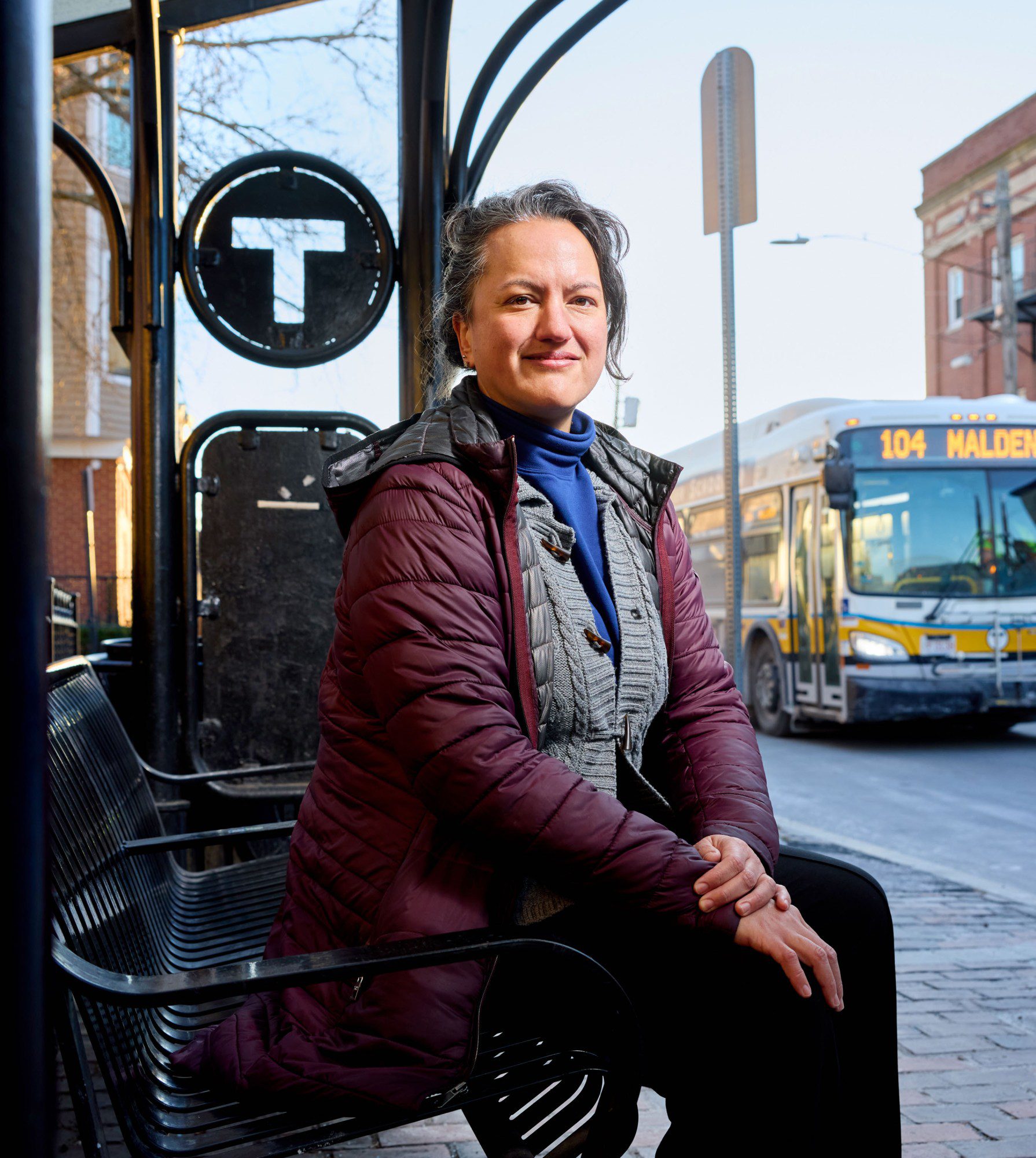
Melissa Dullea sitting at a bus stop near a 104 bus to Malden
The MBTA’s senior director of service planning, Melissa Dullea ’00, leads the team responsible for planning and scheduling every bus and subway route in the system.
KEN RICHARDSON

Dullea’s path to transit began at MIT, where she was introduced to the MBTA’s planning work, including efforts to relocate the Orange Line in the 1980s and projects like the Urban Ring, an efficient rapid-bus system that was once proposed as a way of connecting the outer “spokes” of MBTA lines to reduce congestion downtown and link Greater Boston’s booming residential and commercial areas. This sparked a growing interest in the field and ultimately led her to write her undergraduate thesis on the MBTA assessment formula, which determines how much each community in the service district contributes annually to the system’s operating budget. “I was like, ‘Wow, you can have a career in transit. This is amazing,’” she says.

She joined the MBTA as a junior planner soon after graduating and now co-leads one of the agency’s largest planning efforts: the Bus Network Redesign (BNR), part of the broader Better Bus Project.

“We’re not in an industry where you can move fast and break things. We want to have a focus on improving the customer experience.”

Melissa Dullea ’00

The redesign began with a fundamental question: How can the bus network reflect where people need to go today? To find out, her team used anonymized cell-phone data to map the patterns of people’s travel by all modes—including public transit, driving, walking, and biking—and then weighted the data to prioritize communities that rely more on transit. They combined algorithmic modeling with human judgment, narrowing an estimated 14 million computer-generated corridors—potential pathways where demand suggested a bus route could run—into a workable network that would better meet observed travel demand.

“We wanted to make sure that the bus network would be relevant for how people travel now, and not just how we’ve always done things,” she says.

And their methodology allowed them to improve upon their previous practice of checking for discrimination at the end of planning. “We were able to lead with equity,” she says. 

The final plan nearly doubled the number of routes where buses run every 15 minutes or less and expanded coverage in Chelsea, Everett, Malden, and Revere. The Commonwealth recently recognized the project with an equity award.

When the pandemic led to a shortage of bus drivers, implementation paused. But Dullea’s team and others in the agency used the setback to rethink hiring, training, and job quality. 

“We’ve been working to build back,” Dullea says. The ability to hire committed drivers—and keep them on the job—depends on providing a good work environment. “We’ve been doing a lot of work on just making the experience of being an operator better,” she says.

For example, Dullea’s team helped redesign schedules that often saddled operators with long unpaid breaks in the middle of the day. By hiring part-timers who work a single peak period without a break, the T has reduced the average unpaid break time by half.

Dullea’s MIT training prepared her for the challenge, teaching her to analyze complicated systems and follow her intellectual curiosity. 

“When I was an undergrad, I just realized I loved cities,” she says. “And I was like, ‘How can I turn that love for the urban environment into a career and solve real-world problems that can help people?’”

Building a better digital front door

Subramanian founded a software company serving nonprofits before arriving at MIT for graduate school. His transition to government work—and eventually to the MBTA—was driven by a belief in public service and in government as a force for good. 

“I really wanted to serve the public sector in some way,” he says.

Subramanian resists calling his work “innovation.” He sees it instead as delivering the basic information riders should expect from a modern transit system. 

“We should consider it normal and necessary for a transit agency to provide really accurate, really accessible, real-time information to its riders,” he says. “Doing it might be new and different and require new ways of working.”

At a large agency, achieving that goal is far from simple. To start, Subramanian embedded team members in the operations groups managing more than 170 bus routes and the four subway lines with an eye to building better dispatching tools. This work also created data feeds that his team made publicly available—and used to create the MBTA Go app. But before building it, they asked what value it could add in a world where riders already use Google Maps and third-party apps like Transit. The answer was operational insight. 

“We know more about MBTA operations than Google Maps does,” he says. “So we can publish insight into what’s happening that a third party like the Transit app that’s designing for 200 cities at a time, or Google Maps that’s designing for 200,000 cities at a time, will never think to show.”

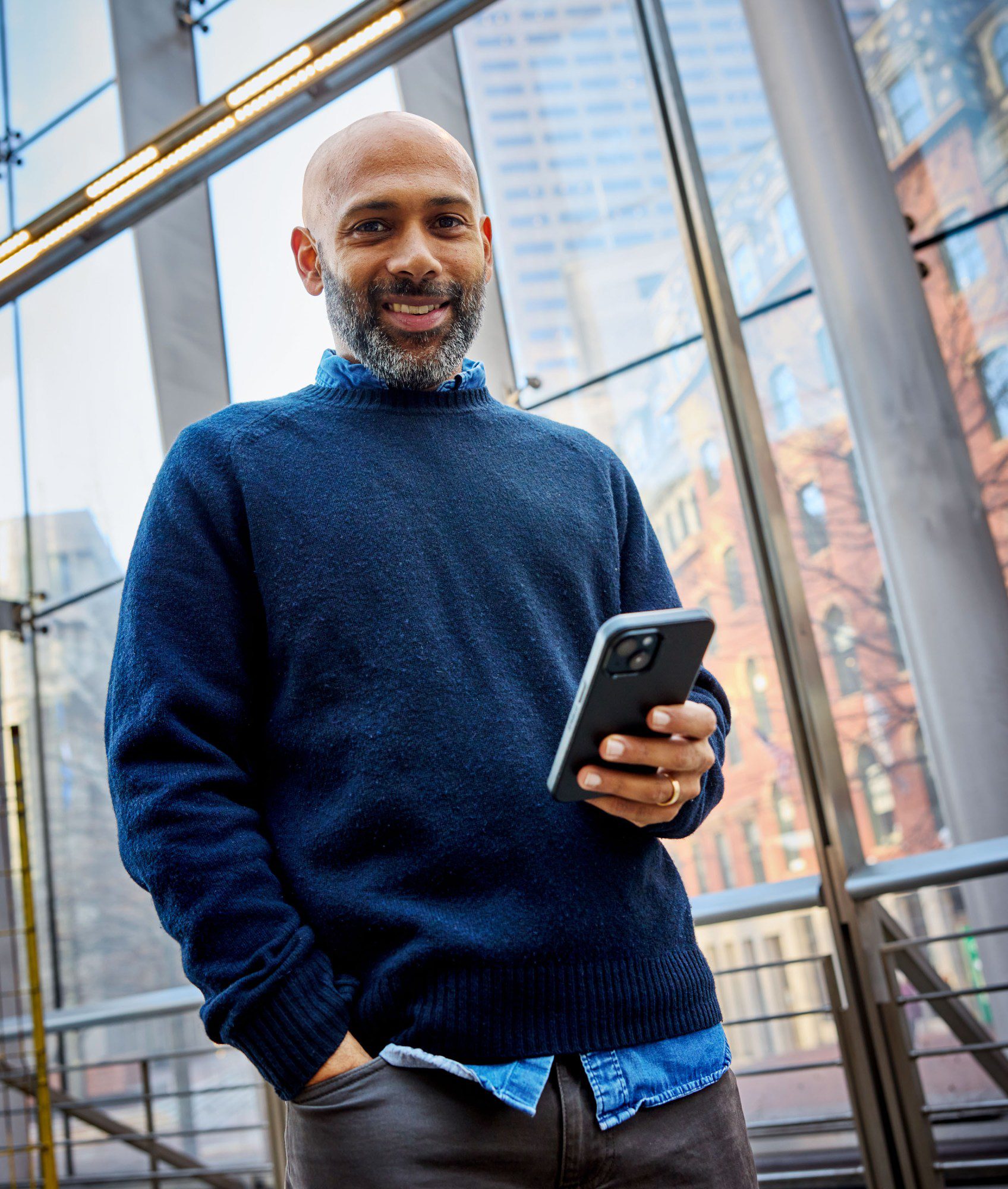
Karti Subramaian walking with his phone
As senior director of rider tools, Karti Subramanian, MBA ’17, leads the team that manages the agency’s digital ecosystem.
KEN RICHARDSON

A key area where that kind of information pays off is accessibility—a defining focus for Subramanian, whose son has cerebral palsy. He’s partnered with the MBTA’s System-Wide Accessibility Department to create the Accessible Technology Program, which brings riders with disabilities into the design process. 

His team conducts extensive user research, interviewing and riding alongside people who use mobility devices, depend on elevators, or have low vision, to understand the barriers they encounter on trains and buses and in stations. Through this hands-on approach, Subramanian’s team gains direct insight into the everyday obstacles riders face and how small design decisions can create or remove them.

“For me, this twin personal/professional journey has been probably the most wonderful part of this job,” he says. “An amazing amount of work and leadership has gone into making the MBTA one of the—if not the—most accessible transit systems in the US.”

The work is grounded in long institutional history. A landmark 2006 settlement under the Americans with Disabilities Act created a dedicated accessibility office within the MBTA, which continues to drive systemwide improvements.

Subramanian attributes his approach in part to lessons from MIT about the public origins of much modern technology. “So much of the kind of now very tech-forward innovation … came from early government R&D,” he says. 

To him, that lesson underscores the value of public service. “To do foundational things right in government actually is very high leverage,” he says, adding that it’s currently dramatically undervalued and underappreciated. 

Improving within constraints

Change at the MBTA unfolds within a highly regulated, risk-averse setting.

“Innovation takes some acceptance of failure, and that’s hard in a public environment,” Choe says. “We’re aspirational but not reckless.”

Most ideas under consideration, whether they’re crowding indicators on the Orange Line or wayfinding tools for riders with low vision, get tested in limited, clearly labeled trials.

Dullea echoes the careful balance required in planning. “We’re not in an industry where you can move fast and break things,” she says. “We’re trying not to break things. We want to have a focus on improving the customer experience.”

For Subramanian, the most significant challenges are often internal. His team works closely with operations groups, embedding technologists in bus garages and rail divisions to understand daily barriers. This partnership led to a mobile dispatching tool that replaced clipboards and a single-channel radio for managing nearly a thousand buses.

It has also helped his group become deeply integrated across the agency, forming an increasingly connected, data-driven operation. “We’re really proud of the extent to which we have built trust within the organization to bring this product way of thinking to a different set of problems,” he says. 

Advancing the economic engine of Greater Boston 

Choe sees the transit agency as a public service and a key support for opportunity across the region. 

“Many of our riders rely on the MBTA to get to their jobs, to get to their health-care appointments, to get to critical areas of their life,” she says. “If we cannot provide those services, then we’ve really shut them off from that economic mobility.”

That responsibility directed her leadership. “Every single person is impacted on a daily basis by the work that I do,” she said in October. “Every improvement that I make is making someone’s life better, and that knowledge sits very deeply in my heart.”

Despite the challenges, she remains optimistic about the MBTA’s future. 

“We have so much buy-in right now from the governor and the legislature,” she said. “It’s allowing us to do things in a little bit bolder manner than what we have done in the past. So I think our future is really bright.”

A culture of collaboration and aspiration

The MBTA also benefited from a partnership that spanned more than a decade with MIT’s Transit Lab, which supported the agency’s work with data analysis and service evaluation. Researchers at the Transit Lab helped the T interpret CharlieCard data to understand travel patterns and contributed the analytical framework for the agency’s Service Delivery Policy, which defines how the MBTA measures its own performance. 

Following the productive collaboration with the MIT Transit Lab, Choe sees potential to deepen the agency’s connection with the Institute if the MBTA joins the MIT Transit Research Consortium. Run by the Transit Lab and the MIT Mobility Initiative, the consortium includes both US and non-US transit agencies, and it offers members workshops as well as insights into MIT’s ongoing transit research. “There’s an opportunity there to figure out how to bridge the gap between amazing research work that’s happening and the on-the-ground applications of that research,” she says.

At the moment, Choe says, the MBTA is investing in electrification and digital infrastructure and exploring AI-assisted maintenance—and sustaining a culture of openness to change will be key. The Innovation Hub is dividing into two branches, one supporting employee-driven ideas and another exploring emerging technologies like AI and autonomous systems.

“People are already interested in this,” she says. “So why are we not harnessing that excitement?”

Her work aimed to continue building a collaborative, curious workplace where new ideas translate into improved service. As she put it, “I want to work in an environment and a culture that is collaborative and aspirational all the time.”

Her colleagues share that goal: to keep the MBTA evolving, grounded in public service, and positioned to deliver a modern system for Greater Boston. 

“It’s not just that we have a plan on the shelf that says this is what we want to do,” she says. “It is what are we doing right now to build toward this best-in-class, amazing, modernized, incredible system that serves the Commonwealth of Massachusetts.” 

The Download: what Moltbook tells us about AI hype, and the rise and rise of AI therapy

This is today’s edition of The Download, our weekday newsletter that provides a daily dose of what’s going on in the world of technology.

Moltbook was peak AI theater

For a few days recently, the hottest new hangout on the internet was a vibe-coded Reddit clone called Moltbook, which billed itself as a social network for bots. As the website’s tagline puts it: “Where AI agents share, discuss, and upvote. Humans welcome to observe.”

We observed! Launched on January 28, Moltbook went viral in a matter of hours. It’s been designed as a place where instances of a free open-source LLM-powered agent known as OpenClaw (formerly known as ClawdBot, then Moltbot), could come together and do whatever they wanted.

But is Moltbook really a glimpse of the future, as many have claimed? Or something else entirely? Read the full story.

—Will Douglas Heaven

The ascent of the AI therapist

We’re in the midst of a global mental-­health crisis. More than a billion people worldwide suffer from a mental-health condition, according to the World Health Organization. The prevalence of anxiety and depression is growing in many demographics, particularly young people, and suicide is claiming hundreds of thousands of lives globally each year.

Given the clear demand for accessible and affordable mental-health services, it’s no wonder that people have looked to artificial intelligence for possible relief. Millions are already actively seeking therapy from popular chatbots, or from specialized psychology apps like Wysa and Woebot.

Four timely new books are a reminder that while the present feels like a blur of breakthroughs, scandals, and confusion, this disorienting time is rooted in deeper histories of care, technology, and trust. Read the full story.

—Becky Ferreira

This story is from the most recent print issue of MIT Technology Review magazine, which shines a light on the exciting innovations happening right now. If you haven’t already, subscribe now to receive future issues once they land.

Making AI Work, MIT Technology Review’s new AI newsletter, is here

For years, our newsroom has explored AI’s limitations and potential dangers, as well as its growing energy needs. And our reporters have looked closely at how generative tools are being used for tasks such as coding and running scientific experiments.

But how is AI actually being used in fields like health care, climate tech, education, and finance? How are small businesses using it? And what should you keep in mind if you use AI tools at work? These questions guided the creation of Making AI Work, a new AI mini-course newsletter. Read more about it, and sign up here to receive the seven editions straight to your inbox.

The must-reads

I’ve combed the internet to find you today’s most fun/important/scary/fascinating stories about technology.

1 The US is failing to punish polluters
The number of civil lawsuits it’s pursuing has sharply dropped in comparison to Trump’s first term. (Ars Technica)
+ Rising GDP = greater carbon emissions. But does it have to? (The Guardian)

2 The European Union has warned Meta against blocking rival AI assistants
It’s the latest example of Brussels’ attempts to rein in Big Tech. (Bloomberg $)

3 AI ads took over the Super Bowl
Hyping up chatbots and taking swipes at their competitors. (TechCrunch)
+ They appeared to be trying to win over AI naysayers, too. (WP $)
+ Celebrities were out in force to flog AI wares. (Slate $)

4 China wants to completely dominate the humanoid robot industry
Local governments and banks are only too happy to oblige promising startups. (WSJ $)
+ Why the humanoid workforce is running late. (MIT Technology Review)

5 We’re witnessing the first real crypto crash
Cryptocurrency is now fully part of the financial system, for better or worse. (NY Mag $)
+ Wall Street’s grasp of AI is pretty shaky too. (Semafor)
+ Even traditionally safe markets are looking pretty volatile right now. (Economist $)

6 The man who coined vibe coding has a new fixation 
“Agentic engineering” is the next big thing, apparently. (Insider $)
+ Agentic AI is the talk of the town right now. (The Information $)
+ What is vibe coding, exactly? (MIT Technology Review)

7 AI running app Runna has adjusted its aggressive training plans 🏃‍♂️
Runners had long suspected its suggestions were pushing them towards injury. (WSJ $)

8 San Francisco’s march for billionaires was a flop 
Only around three dozen supporters turned up. (SF Chronicle)
+ Predictably, journalists nearly outnumbered the demonstrators. (TechCrunch)

9 AI is shaking up romance novels ❤
But models still aren’t great at writing sex scenes. (NYT $)
+ It’s surprisingly easy to stumble into a relationship with an AI chatbot. (MIT Technology Review

10 ChatGPT won’t be replacing human stylists any time soon
Its menswear suggestions are more manosphere influencer than suave gentleman. (GQ)

Quote of the day

“There is no Plan B, because that assumes you will fail. We’re going to do the start-up thing until we die.”

—William Alexander, an ambitious 21-year old AI worker, explains his and his cohort’s attitudes towards trying to make it big in the highly-competitive industry to the New York Times.

One more thing

The open-source AI boom is built on Big Tech’s handouts. How long will it last?

In May 2023 a leaked memo reported to have been written by Luke Sernau, a senior engineer at Google, said out loud what many in Silicon Valley must have been whispering for weeks: an open-source free-for-all is threatening Big Tech’s grip on AI.

In many ways, that’s a good thing. AI won’t thrive if just a few mega-rich companies get to gatekeep this technology or decide how it is used. But this open-source boom is precarious, and if Big Tech decides to shut up shop, a boomtown could become a backwater. Read the full story.

—Will Douglas Heaven

We can still have nice things

A place for comfort, fun and distraction to brighten up your day. (Got any ideas? Drop me a line or skeet ’em at me.)

+ Dark showering, anyone?
+ Chef Yujia Hu is renowned for his shoe-shaped sushi designs.
+ Meanwhile, in the depths of the South Atlantic Ocean: a giant phantom jelly has been spotted.
+ I have nothing but respect for this X account dedicated to documenting rats and mice in movies and TV 🐀🐁