I went to COP28. Now the real work begins.

As an international student at MIT, I find that the privileges I’ve experienced in the States have made me even more conscious of my nation’s struggles. Brief visits home remind me that in Jamaica, I can’t always count on what I often take for granted in Massachusetts: water flowing through the faucet, timely public transportation, a safe neighborhood to live in. And after working hard in school for years so my family and I won’t have to struggle so much to meet our basic needs, I’ve recently been challenging myself to think about the needs of nations too. Being from a developing nation, I am very aware of the urgent need for sustainable development, which the UN defines as “development that meets the needs of the present, without compromising the ability of future generations to meet their own needs.” 

Jamaica is among the countries least responsible for the acceleration of global warming, yet it is already facing some of its worst effects. Many Jamaicans can’t afford air-conditioning to cope with the extreme heat, and in my city, many of the trees that once provided shade are being cut down to build apartments, leaving people sweltering in a concrete jungle. Even if ambitious net-zero emissions targets are met, these severe consequences may continue to worsen for some years. 
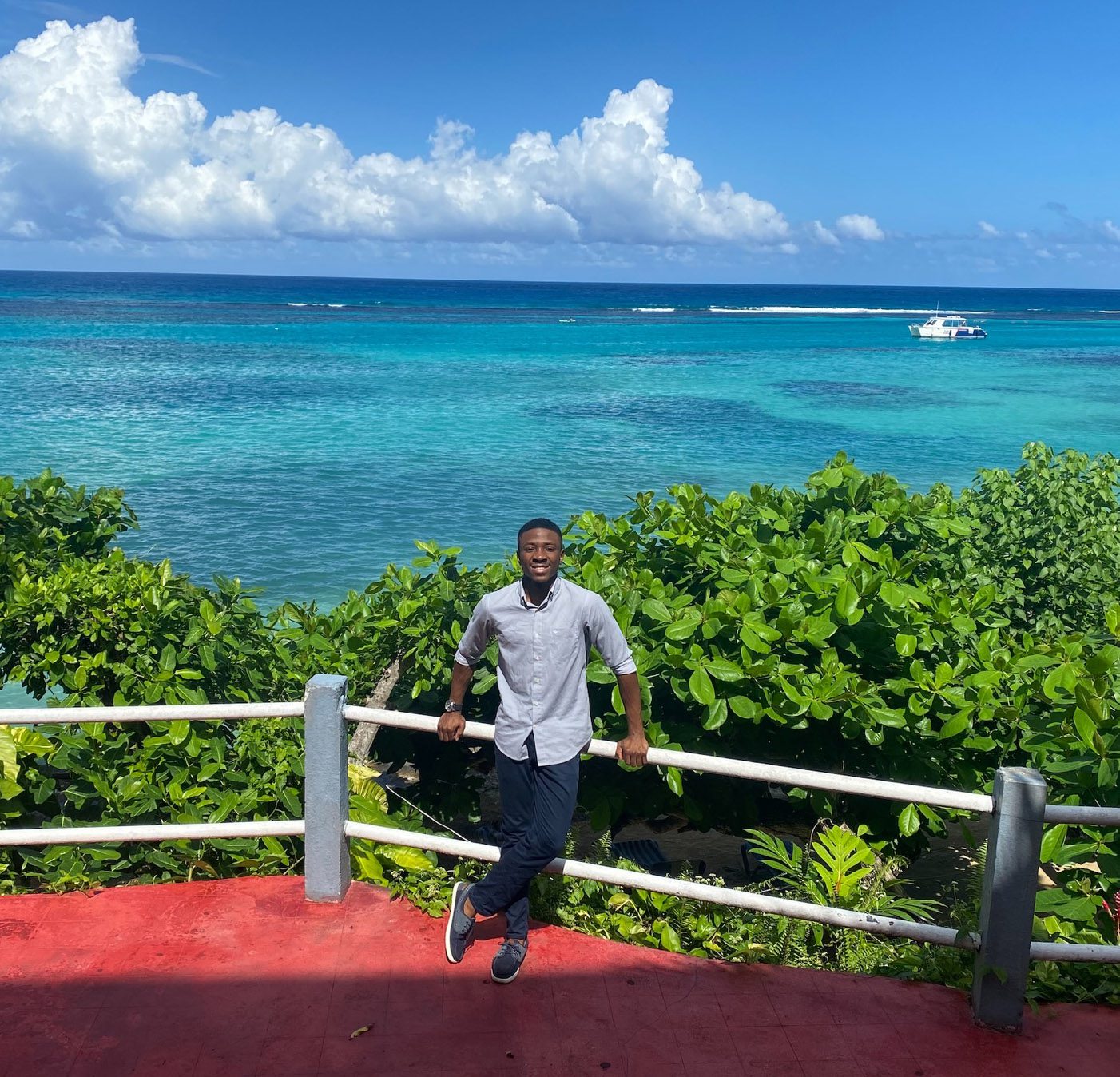
Runako Gentles leaning against a fence overlooking the ocean
At home in Jamaica, Gentles has seen the impact of climate change firsthand.
COURTESY OF RUNAKO GENTLES

Beyond significantly lowering the standard of living for the poor and lower-middle classes, climate change is also threatening agriculture and tourism, two major sources of Jamaica’s GDP. Given that the country is already struggling with crime and widespread poverty, what’s going to happen as climate change continues causing droughts to worsen, beaches to shrink, and energy bills to rise?  

My MIT degree could definitely help me migrate to another country with a higher standard of living. But if young people like me leave these critical problems for someone else to solve, then what will the future look like for my family, friends, and neighbors? 

I grew up wanting to be a physician, but at MIT I became significantly more interested in the health of communities, the planet, and the economy. I decided to major in environmental engineering as a step toward addressing the social, economic, and environmental dimensions of issues like climate change, pollution, and water management. Then I took advantage of opportunities to attend conferences where I could gather with experts, industry leaders, and other young people eager to tackle these issues. Last fall I was elated to be selected as one of MIT’s six student delegates to COP28, the 28th Conference of the Parties to the UN Framework Convention on Climate Change. Some 84,000 attendees would converge in the United Arab Emirates over the course of two weeks in November and December for the world’s largest global climate conference. I would be among those attending the second half. 

We can’t wait for someone else to address the crises affecting not only our generation but also those to come.

After a 12-hour nonstop flight, I landed in the UAE around 7:30 p.m. local time and woke up early the next morning ready to get down to business. I was tired, but it was go time. Having attended the Global Youth Climate training program and MIT’s pre-COP28 sessions, I had spent a lot of time thinking about how to make the most of the conference. There were hundreds of plenary meetings, pavilions, side events, and booths to choose from. I combed through the COP schedule each day, noting events with themes relevant to developing nations and those in which I would likely find the leaders I wanted to connect with. 

I spent the week zipping from building to building in the enormous Dubai Exhibition Centre, listening to panels, presentations, and press conferences, as well as questioning speakers, observing negotiations, taking copious notes on my iPad, and networking. A highlight was getting to interview some of the senior Jamaican delegates. I shared with them my long-term plan to help the Caribbean adapt to climate change and develop sustainably. UnaMay Gordon, one of Jamaica’s leading climate-change specialists, gave me a memorable piece of advice: Be present, represent youth, and bring other young people along to engage with these issues. I was glad to receive the Jamaican delegates’ insights—and their contact information. I took full advantage of the opportunity to approach experts and introduce myself as an MIT undergraduate. It was my first COP, and I was a man on a mission. 

I left the UAE even more determined to support sustainable development, eager to bring about positive change in the MIT community during my final semester on campus—and feeling I had a lot of work to do before graduation. Progress toward becoming a more sustainable society cannot just rely on the relatively slow process of persuading governments to pass laws that enact COP agreements. Individual COP attendees play a pivotal role in supporting the sustainability transition by helping their communities take action. 

For my last semester, I decided I could have the most impact by helping implement a campus sustainability initiative, sharing my knowledge and experiences, and encouraging more undergraduates to get involved in sustainability efforts. I started by attending the Sustainability Connect 2024 meeting run by the MIT Office of Sustainability (MITOS), which led to my joining the MIT Food Waste Fighters and working to address the need for better separation of garbage in our campus dorms to help produce biofuels and reduce methane emissions from food waste in landfills. This gave me experience implementing on-the-ground strategy to take on a problem that is also very relevant to developing nations. 
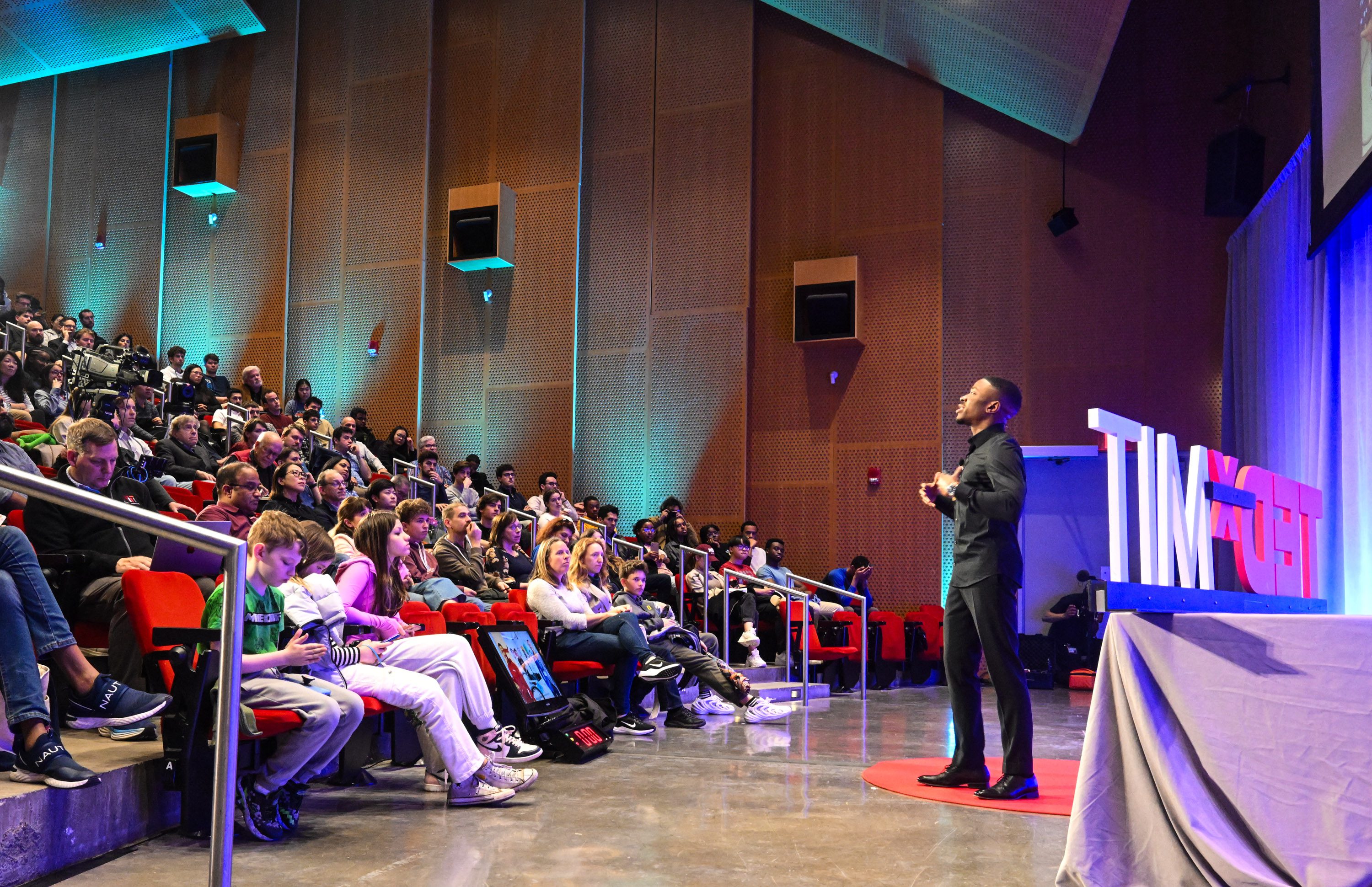
Runako Gentles speaking at TEDxMIT
Gentles speaks at TEDx MIT in April.
JOHN WERNER

Meanwhile, I dove into organizing a student-led series of sustainability talks hosted by my department’s civil engineering society, Chi Epsilon, in collaboration with MITOS and the MIT Climate and Sustainability Consortium (MCSC). As an MCSC scholar, I worked on writing an opinion piece and a research article on my work analyzing earthquakes induced by carbon dioxide sequestration. I was also chosen to give a talk at TEDx MIT in April on how MIT can equip undergrads so they’re ready to seize opportunities to support the sustainability transition.

It was a lot to tackle on top of my classes, but I really wanted to do all I could in my last few months to galvanize the MIT community. And at the same time, I wanted to remind everyone of the importance of having empathy for those who are most vulnerable to—and least responsible for—the consequences of unsustainable behavior and of innovation that doesn’t factor in sustainability. 

I hope my work empowers more MIT undergraduates to step up and help tackle the many obstacles to achieving sustainable development while setting the stage for a more just society. We can’t wait for someone else to address the crises affecting not only our generation but also those to come. We need more minds and hands to work on ensuring that the places we live remain livable.

Runako Gentles ’24 plans to return to Jamaica upon graduation and will begin a master’s program in environmental engineering at Stanford in the fall.
What’s one memento you kept from your time at MIT?

Alumni leave MIT armed with knowledge and a whole lot of memories. During Tech Reunions in 2023, the MIT Alumni Association asked returning alums what else they had held onto since leaving campus. Here are just a few of their responses. 

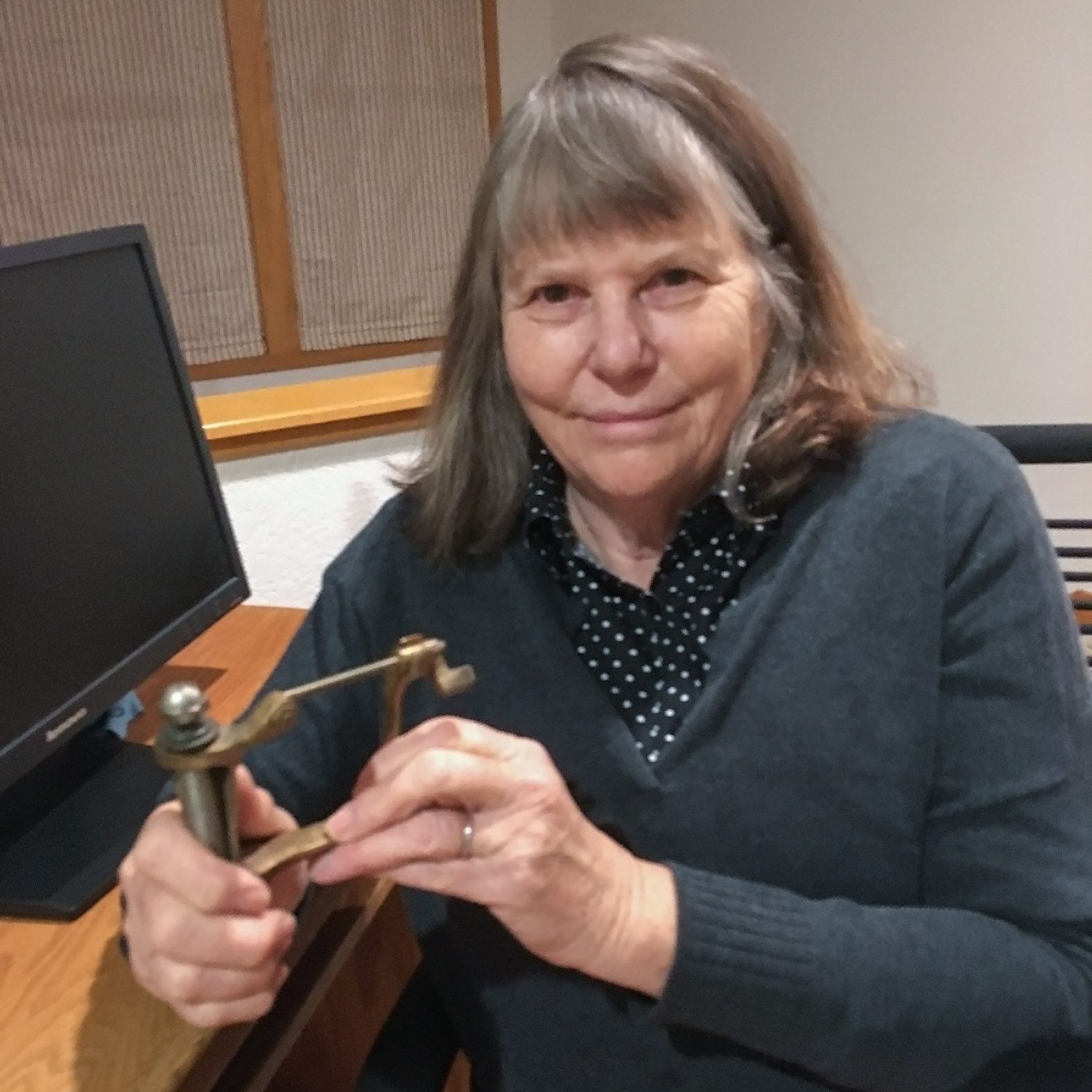
Diane Marie McKnight ’75, SM ’78, PhD ’79, kept a bronze oarlock used for securing an oar on a boat. “I sand-casted it myself as part of my last class in mechanical engineering, and I learned how to use a lathe,” she said.

Amy (Schonsheck) Simpkins ’03 got her Institute keepsake early— a “cheap hoodie sweatshirt that was on special at the Coop the first week of my freshman year.” She still wears it almost every day.

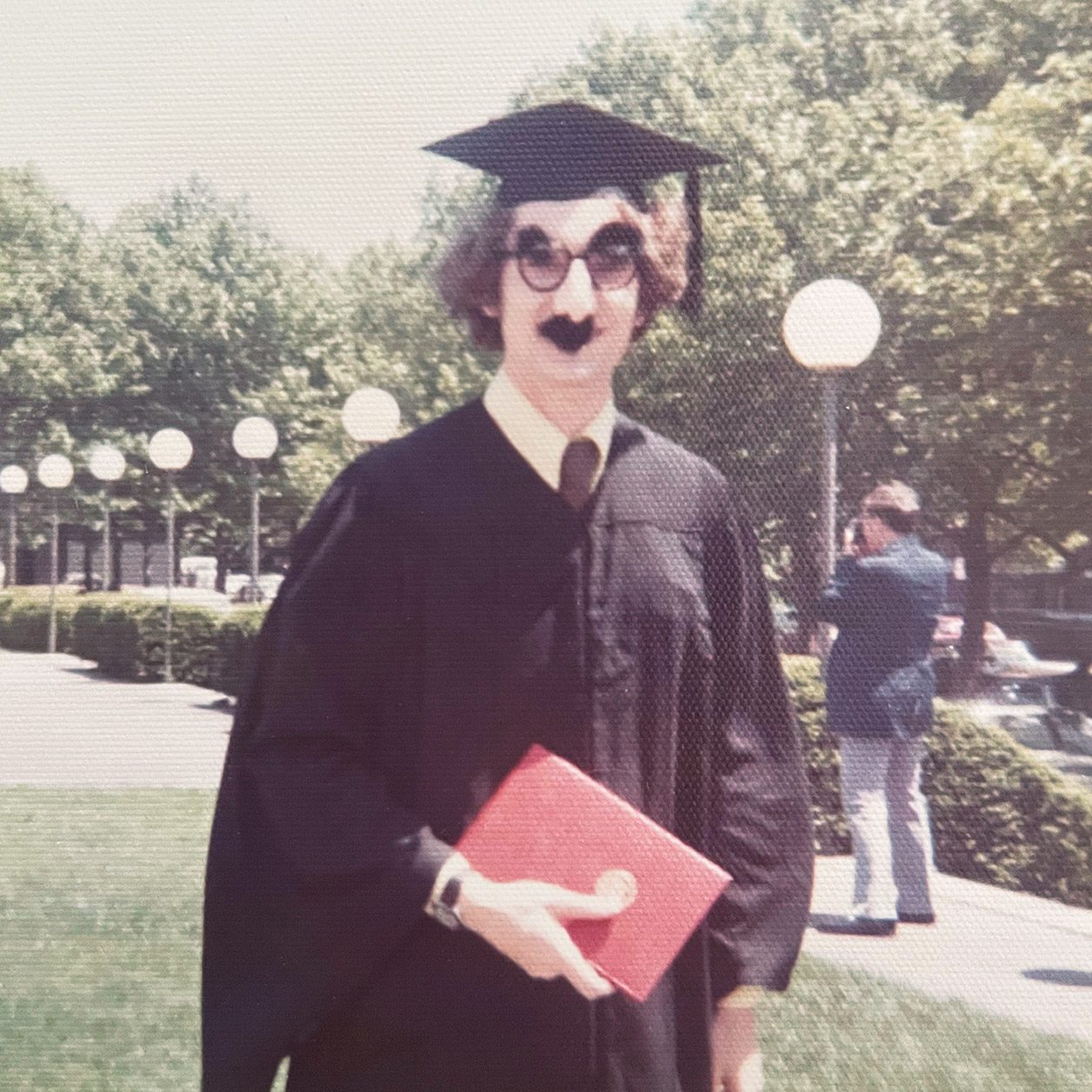
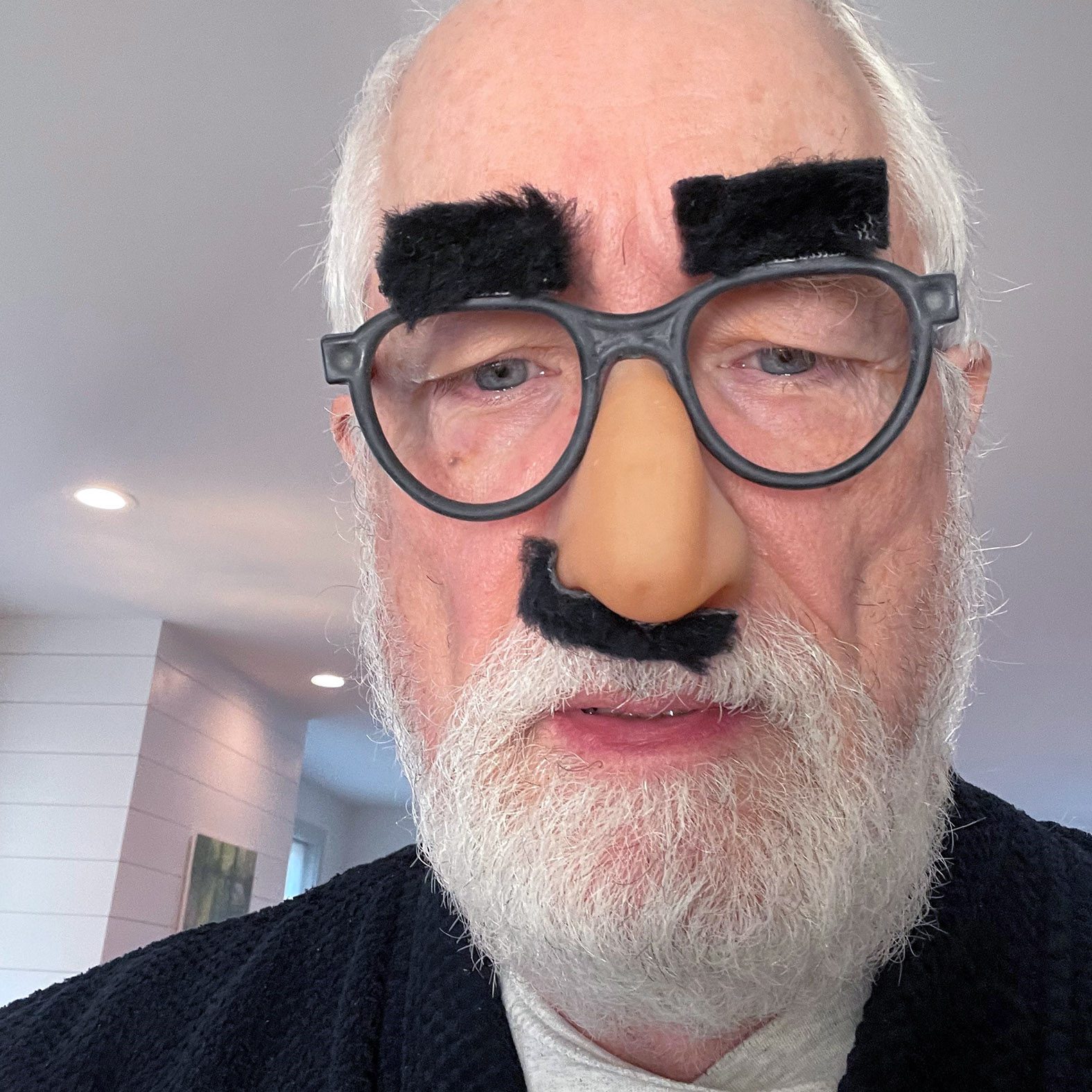
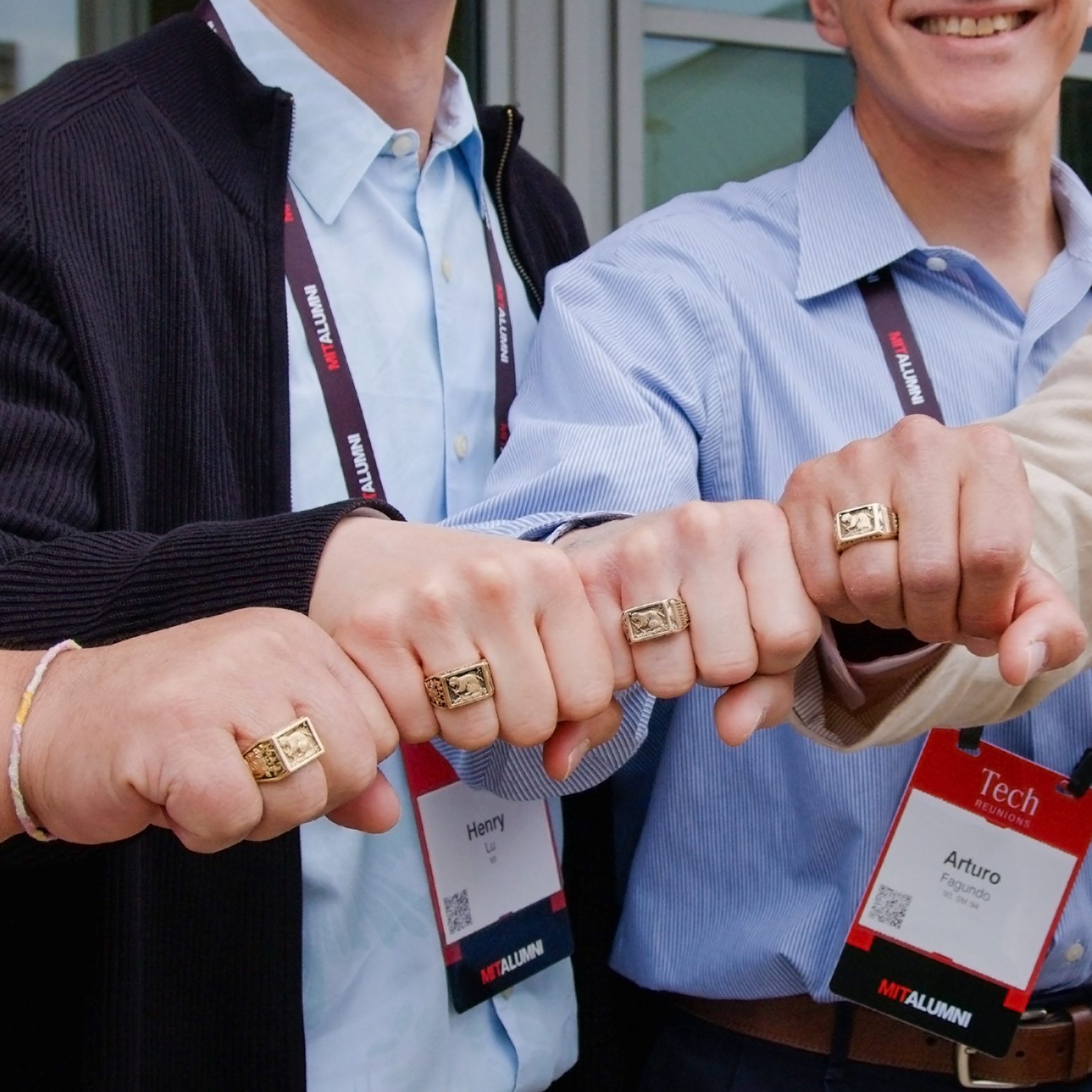
Alan Paul Lehotsky ’73 said that in addition to his brass rat, he still has the Groucho glasses he wore to graduation. He admitted that the mustache has not held up very well.

Elliot Owen ’18, SM ’20, still has the precision-machined aluminum flexures that he used for his graduate research. “It is easy to create structures with a low stiffness in the direction of travel and high stiffness in all other directions,” he said. “I keep them on my bookshelf and show them off when I have people over. Most people are very surprised to see a solid piece of metal flex and move so easily and without friction.”

Walt Gibbons ’73, SM ’75, had the most popular response, provided by 22 of the 69 alums interviewed. He named his MIT brass rat.

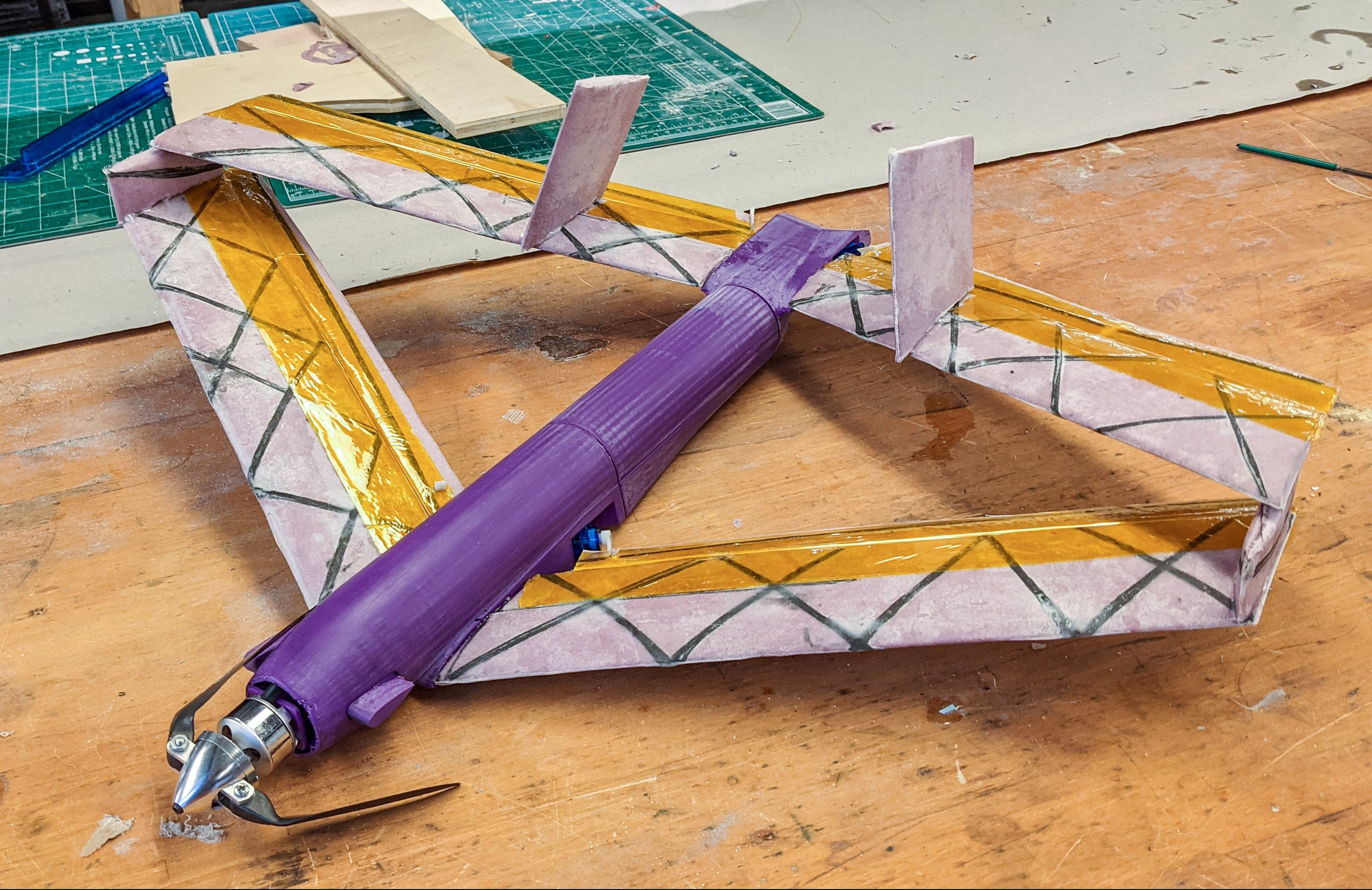
“I kept a propeller from one of the first planes I ever built,” said Morgan Ferguson ’23. “It was a spare propeller from a plane that I worked on as part of a team of undergraduate and graduate students at MIT that develop aircraft for the annual AIAA [American Institute of Aeronautics and Astronautics] Design/Build/Fly competition. I continue to work on these planes.” His latest aircraft is shown above.

Jeanne Yu ’13 said, “The one thing I kept from MIT was my sense of resilience.”

Check out the recent MIT alumni video about physical objects grads have kept—and why they kept them—at bit.ly/MITMemento.

The silver-platter season

In the spring of 1974, I was new to both MIT and rugby football. As a Course 2 graduate student, I shared a basement office with several other students, including two players on the Tech rugby club who encouraged me to join them. Being both an Anglophile and a beer drinker, I was pretty easily talked into participating in this sport, with its British roots and after-match parties.

I played mainly on the squad’s B side that season but was among those asked to join the A side players in the annual tournament of the New England Rugby Football Union (NERFU), held at UMass Amherst. We needed extra men for the exhausting tournament schedule, in which players from both the A and B sides would be combined in various ways for different matches. Today NERFU has many more teams and several divisions of competition. But in 1974 it had just one division and held a single annual tournament.  

Institute records show rugby being played as early as 1882, making the Tech club the oldest in NERFU and one of the oldest in the nation. In 1974, it fielded two 15-man sides that practiced twice a week and played every Saturday during the spring and fall seasons. (There was no women’s side then.) Our school-supplied uniforms were classics of a bygone era—striped long-sleeve jerseys with collars and rubber buttons.

Rugby matches are grueling affairs involving continuous running and tackling and (for forwards like me, who make up half the team) pushing in organized scrums and ad hoc rucks. (In both scrums and rucks, players grab teammates’ shirts, binding together to push against the opposing team while attempting to gain possession of a ball on the ground with their feet.) In 1974, substitution was allowed only in cases of injury. Usually, one match per week was all a player would play. Making it to the tournament’s championship match would require playing four or five in two days, so some players would need to sit out some of the matches. 

group photo of the 1974 rugby champions
The storied MIT rugby club of 1974. The author is in the back row, third from the right.
MIT RUGBY FOOTBALL CLUB

Unlike now, in the 1970s there were few (if any) US high school or under-19 rugby teams, so American college teams were generally inexperienced. However, the 1974 MIT club had several international players who had been playing since grade school in England, Scotland, New Zealand, France, Argentina, or Japan. It also included grad students and an assistant professor (Ron Prinn, ScD ’71), which raised the average age of the team. MIT was thus not a typical college team, although we might have been mistaken for one. Undoubtedly some club teams in the 1974 tournament rested their best players when scheduled to play us. 

Our coach was Serge Gallant, a savvy, bearded Frenchman and former scrum half forced by concussions to retire from playing. Shin Yoshida ’76, our fly half, was our star player. Shin would kick high-arching punts downfield, accurately positioned to allow our team to immediately tackle opponents receiving them, or occasionally to recover the ball ourselves. Much like a fast-break offense from a basketball team with smaller players, this helped neutralize the height and power of bigger teams.    

The 1974 NERFU tournament, held on May 11 and 12, pitted 24 teams against each other in five rounds of single-elimination matches. The MIT club had some role in the seeding, so we managed to get a first-round bye and the prospect of an easy opponent in the second round. However, the remaining matches promised to be very difficult.

Our first match on Saturday was in the second round against Springfield, whom we beat handily, 13–0. Our last match of the day was against Charles River, a club that had beaten us the week before. We eked out a 16–12 victory in double overtime. 

Since we’d advanced to the semifinal round to be held on Sunday, arrangements were made for our team to pile into a few rooms of an Amherst motel for the night. But first most of us went out to a local restaurant. Despite our camaraderie and shared joy over having won our first two matches, our celebration was subdued, with none of the usual libations and rugby songs. We were pleasantly surprised when a former MIT rugby player turned businessman pick up our meal tab. 

At the restaurant we exchanged friendly banter with a well-known forward on the Providence city club, our next opponent. During the meal he playfully growled at us while chomping on a handful of spring onions. However, he did not play against us in the semifinals on Sunday. He was rested for the finals match he never got to play.

During the Providence match, their sideline people kept yelling “Get the foot,” meaning to target Yoshida and take him out of the game. But our “enforcers” took care of theirs, and he was not hurt. We went on to win, 6–3. 

I had played in the third- and fourth-round matches and was exhausted. So when our coach asked me to play in the finals, I begged off. My spot was taken by Mark Sneeringer ’76, PhD ’82, an amiable sophomore from Gettysburg, Pennsylvania. Because I wasn’t playing, I was picked to serve as a line judge.

For the championship match Tech faced off against the Beacon Hill club, which had won the year before. This was another tight and grueling game that went into double overtime. In the first overtime, our forwards were gasping for breath. Roger Simmonds, PhD ’78 (an Englishman and our most experienced player), lifted spirits and energy levels with an impromptu pep talk noting how well the forwards were playing and how worn out the Beacon Hill squad was.    

In the second overtime, team captain Paul Dwyer, SM ’73, finally scored the game-winning try. Because I was a line judge, my jumping for joy with a cloth in my hand caused temporary confusion. That was soon resolved when I explained that my action was not an officiating signal. We’d bested Beacon Hill, 7–3. 

Our reward for winning the championship was a silver platter. In those days, beer was always on hand after rugby matches, so while still on the pitch, we awkwardly drank beer from the platter as if it were a trophy cup. 

Having pulled off a major upset in the NERFU tournament, MIT was no longer a dark horse in the 1974 fall season, and other teams made sure to give us their best efforts. The loss of Yoshida, Dwyer, and other key players from the spring season weakened our fall A side, to which I was promoted. We began the fall season with two wins and two losses and then lost the rest of our matches, including one in which the Boston club thoroughly overpowered and crushed us. 

Nevertheless, Tech reigned as the NERFU champion until the next tournament. NERFU would eventually add a college division to its annual competition, so to this day, MIT’s rugby club remains the only college side ever to capture the top-tier NERFU title.

After retiring from a long career in mechanical and nuclear engineering, Dan Guzy, MechE ’75, has written four books and many articles on local history.

The energy transition’s effects on jobs

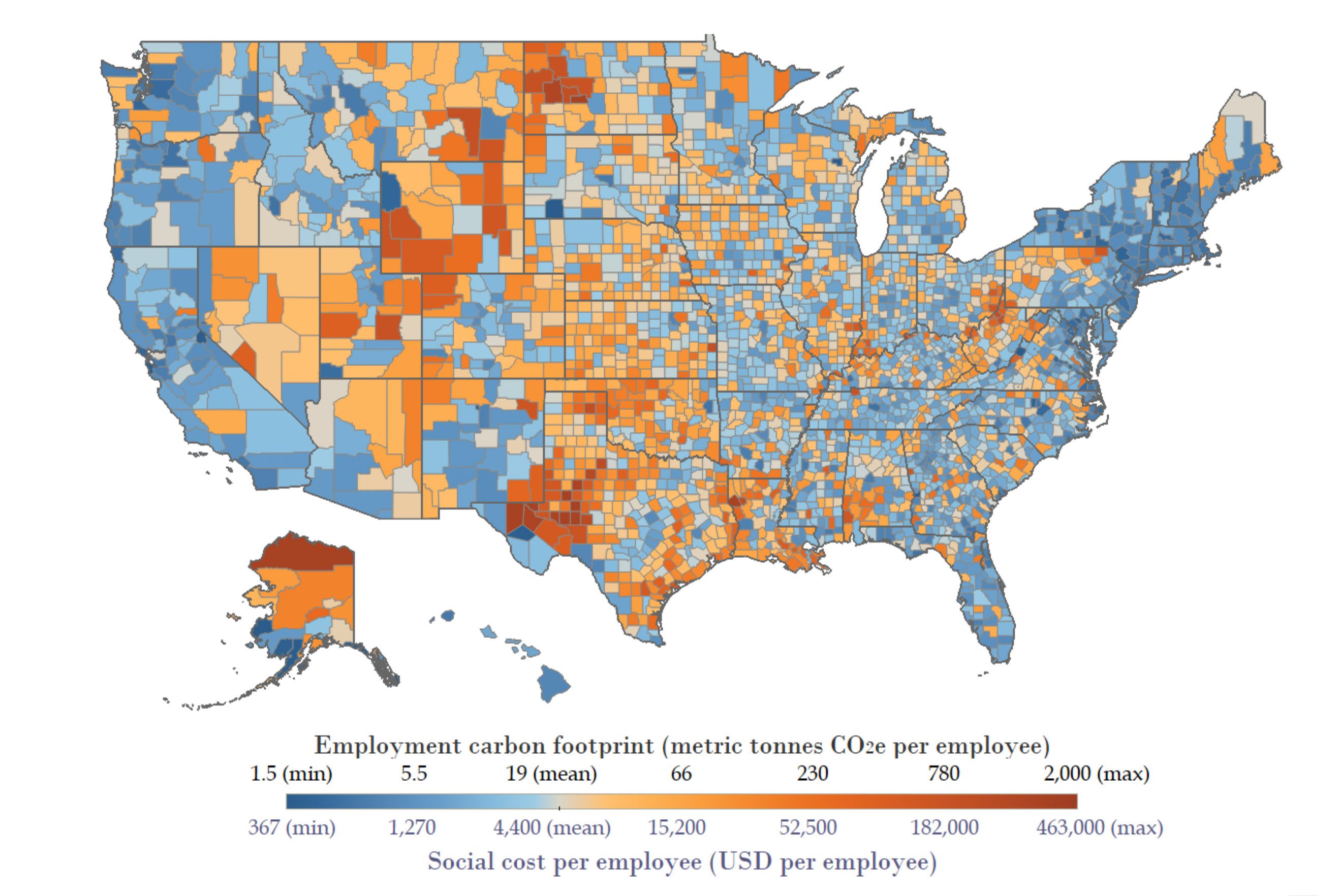
A county-by-county analysis by MIT researchers shows the places in the US that stand to see the biggest economic changes from the switch to cleaner energy because their job markets are most closely linked to fossil fuels. 

While many of those places have intensive drilling and mining operations, the researchers find, areas that rely on industries such as heavy manufacturing could also be among the most significantly affected—a reality that policies intended to support American workers during the energy transition may not be taking into account, given that some of these communities don’t qualify for federal assistance under the Inflation Reduction Act.

This map shows which US counties have the
highest concentration of jobs that could be
affected by a transition to renewable energy.
Counties in blue are less likely to be affected,
and counties in red are more likely.
COURTESY OF THE RESEARCHERS

“The impact on jobs of the energy transition is not just going to be where oil and natural gas are drilled,” says Christopher Knittel, an economist at the MIT Sloan School of Management and coauthor of the paper. “It’s going to be all the way up and down the value chain of things we make in the US. That’s a more extensive, but still focused, problem.” 

Using several data sources measuring energy consumption by businesses, as well as detailed employment data from the US Census Bureau, Knittel and Kailin Graham, a master’s student in the Technology and Policy Program, calculated the “employment carbon footprint” of every county in the US.

“Our results are unique in that we cover close to the entire US economy and consider the impacts on places that produce fossil fuels but also on places that consume a lot of coal, oil, or natural gas for energy,” says Graham. “This approach gives us a much more complete picture of where communities might be affected and how support should be targeted.”

He adds, “It’s important that policymakers understand these economy-­wide employment impacts. Our aim in providing these data is to help policymakers incorporate these considerations into future policies.”

An invisibility cloak for would-be cancers

One of the immune system’s roles is to detect and kill cells that have acquired cancerous mutations. However, some early-stage cancer cells manage to survive. A new study on colon cancer from MIT and the Dana-Farber Cancer Institute has identified one reason why: they turn on a gene called SOX17, which renders them essentially invisible to immune surveillance.

The researchers focused on precancerous growths called polyps that often form as mutations accumulate in the intestinal stem cells, whose job is to continually regenerate the lining of the intestines. Using a technique they had developed for growing mini colon tumors in a lab dish and then implanting them in mice, they engineered tumors to express mutations that are often found in human colon cancers.

In the mice, the researchers observed a dramatic increase in the tumors’ expression of SOX17. This gene encodes a transcription factor that is normally active only during embryonic development, when it helps control development of the intestines and the formation of blood vessels.

The experiments revealed that when SOX17 is turned on in cancer cells, it helps them create an immunosuppressive environment. Among its effects, SOX17 prevents cells from synthesizing the receptor that normally detects interferon gamma, one of the immune system’s primary weapons against cancer cells. Without those receptors, cancerous and precancerous cells can simply ignore messages from the immune system, which would normally direct them to die off.

The absence of this signaling also lets cancer cells minimize their production of molecules called MHC proteins, which display cancerous antigens to the immune system, and prevents them from producing molecules called chemokines, which normally recruit T cells that would help destroy the cancerous cells.

When the researchers generated colon tumor organoids with SOX17 knocked out, and implanted those into mice, their immune system was able to attack them much more effectively. This suggests that blocking the gene or the pathway that it activates could offer a new way to treat early-stage cancers before they grow into larger tumors.

“Just by turning off SOX17 in fairly complex tumors, we were able to essentially obliterate the ability of these tumor cells to persist,” says MIT research scientist Norihiro Goto, the lead author of a paper on the work.

But transcription factors such as the one encoded by the SOX17 gene are considered difficult to target using drugs, in part because of their structure. The researchers now plan to identify other proteins that this transcription factor interacts with, in hopes that it might be easier to block some of those interactions. They also plan to investigate what triggers SOX17 to turn on in precancerous cells.

“Activation of the SOX17 program in the earliest innings of colorectal cancer formation is a critical step that shields precancerous cells from the immune system,” says Ömer Yilmaz, an MIT associate professor of biology, a member of the Koch Institute for Integrative Cancer Research, and one of the study’s senior authors. “If we can inhibit the SOX17 program, we might be better able to prevent colon cancer, particularly in patients that are prone to developing colon polyps.”

A linguistic warning sign for dementia

Older people with mild cognitive impairment, especially when characterized by episodic memory loss, are at increased risk for dementia due to Alzheimer’s disease. Now a study by researchers from MIT, Cornell, and Massachusetts General Hospital has identified a key deficit unrelated to memory that may help reveal the condition early—when any available treatments are likely to be most effective.

The issue has to do with a subtle aspect of language processing: people with amnestic mild cognitive impairment (aMCI) struggle with certain ambiguous sentences in which pronouns could refer to people not referenced in the sentences themselves.For instance, in “The electrician fixed the light switch when he visited the tenant,” it is not clear without context whether “he” refers to the electrician or some other visitor. But in “He visited the tenant when the electrician repaired the light switch,” “he” and “the electrician” cannot be the same person. And in “The babysitter emptied the bottle and prepared the formula,” there is no reference to a person beyond the sentence.

The researchers found that people with aMCI performed significantly worse than others at producing sentences of the first type. “It’s not that aMCI individuals have lost the ability to process syntax or put complex sentences together, or lost words; it’s that they’re showing a deficit when the mind has to figure out whether to stay in the sentence or go outside it to figure out who we’re talking about,” explains coauthor Barbara Lust, a professor emerita at Cornell and a research affiliate at MIT. 

“While our aMCI participants have memory deficits, this does not explain their language deficits,” adds MIT linguistics scholar Suzanne Flynn, another coauthor. The findings could steer neuroscience studies on dementia toward brain regions that process language. “The more precise we can become about the neuronal locus of deterioration,” she says, “that’s going to make a big difference in terms of developing treatment.”