Google’s SearchLiaison responded to a plea on X (formerly Twitter) about ridiculously poor search results in which he acknowledged that Google’s reviews algorithm could be doing a better job and outlined what’s being done to stop rewarding sites that shouldn’t be ranking in the first place.
Questioning Google’s Search Results
The exchange with Google began with a post about a high ranking sites that was alleged to fall short of Google’s guidelines.
“Instead of a third-party review (which is likely what searchers are looking for), Google ranks an article backed by the brand:
Searchers land in an advertorial built off marketing materials:
So little care that they even left briefing notes in the published version 😞
And I think I found the reason why it ranks #1… Money.”
The general responses to the tweets were sympathetic, such as this one:
“WILD.
And this is on page 1…
Is this what writing for readers is? Is this what people need/want?
I think of folks like my mom here who wouldn’t know better and to dig more.
It looks and seems nice, must be trustworthy.
I mean, that’s their goals, right? Dupe and dip.”
Google’s Algorithms Aren’t Perfect
SearchLiaison responded to those tweets to explain that he personally goes through the feedback submitted to Google and discusses them with the search team. He also shared about the monumental scale of ranking websites, saying that Google is indexing trillions of web pages, and because of that the ranking process is itself scaled and automated.
“Danny, I appreciate where you’re coming from — just as I appreciated the post that HouseFresh originally shared, as well as this type of feedback from others. I do. I also totally agree that the goal is for us to reward content that’s aligned with our guidance. From the HouseFresh post itself, there seemed to be some sense that we had actually improved over time:
“In our experience, each rollout of the Products Review Update has shaken things up, generally benefitting sites and writers who actually dedicated time, effort, and money to test products before they would recommend them to the world.”
That said, there’s clearly more we should be doing. I don’t think this is particularly new, as I’ve shared before that our ranking systems aren’t perfect and that I see content that we ought to do better by, as well as content we’re rewarding when we shouldn’t.
But it’s also not a system where any individual reviews content and says “OK, that’s great — rank it better” or “OK that’s not great, downrank it.” It simply wouldn’t work for a search engine that indexes trillions of pages of content from across the web to operate that way. You need scalable systems. And you need to keep working on improving those systems.
That’s what we’ll keep doing. We’re definitely aware of these concerns. We’ve seen the feedback, including the feedback from our recent form. I’ve personally been through every bit of that feedback and have been organizing it so our teams can look further at different aspects. This is in addition to the work they’re already doing, based on feedback we’ve already seen.”
Some of the takeaways from SearchLiaison’s statement is that:
1. Google agrees that their algorithms should reward content that is aligned with their guidance (presumably guidance about good reviews, helpfulness, and spam).
2. He acknowledged that the current ranking systems can still use improvement in rewarding the useful content and not rewarding inappropriate content.
3. Google’s systems are scaled.
4. Google is committed to listening to feedback and working toward improving their algorithms.
5. SearchLiaison confirmed that they are reviewing the feedback and organizing it for further analysis to identify what needs attention for improvement to rankings.
What Is Taking So Long To Fix Google?
Someone else questioned Google’s process for rolling out updates that subsequently shakes things up. It’s a good question because it makes sense to test an update to rankings to make sure that the changes improve the quality of sites being ranked and not do the opposite.
“Danny, aren’t all your ‘system improvements’ fully tested BEFORE rolling them out?
Surely your team was aware of the shakeup in the SERPs that these last few updates would cause.
Completely legitimate hobby sites written by passionate creators getting absolutely DECIMATED by these updates.
All in favor of Reddit, Pinterest, Quora, Forbes, Business Insider, and other nonsense gaining at their expense.
I guess what I’m saying is — surely this was not a surprise.
You guys knew this carnage was coming as a direct result of the updates.
And now — here we are, NINE months later — and there have been ZERO cases of these legitimate sites recovering. In fact, the March update just made it 100x worse.
And so Google is saying ‘yeah we f-d up, we’re working on it.’
But the question is—and I think I speak on behalf of thousands of creators when I ask—’What the hell is taking so long?’”
We know that Google’s third party quality raters review search results before an update is rolled out. But clearly there are many creators, site owners and search marketers who feel that Google’s search results are going the wrong way with every update.
SearchLiaison’s response is a good one because it acknowledges that Google is not perfect and that they are actively trying to improve the search results. But that does nothing to help the thousands of site owners who are disappointed in the direction that Google’s algorithm is headed.
As the July 1, 2024 shutdown date for Universal Analytics (UA) draws near, Google has announced new features and improvements for Google Analytics 4 (GA4).
These enhancements give marketers deeper insights and tools for cross-channel measurement and budget optimization.
Expanded Cross-Channel Reporting
GA4 is getting improved cross-channel reporting capabilities.
You will soon be able to integrate data from third-party advertising partners such as Pinterest, Reddit, and Snap directly into GA4 properties.
This will allow for a more complete view of campaign performance across platforms.
Additionally, GA4 will introduce aggregated impressions from linked Campaign Manager 360 accounts in the advertising workspace.
This feature will give advertisers a thorough overview of campaign performance across the entire marketing funnel.
AI-Powered Insights
Google is leveraging its AI capabilities to provide users with generated insights.
These AI-driven summaries will explain data trends and fluctuations using plain language, enabling businesses to make faster, more informed decisions based on their analytics data.
Advanced Planning & Budgeting Tools
Later this year, GA4 will introduce cross-channel budgeting features, including a projections report.
This tool will allow advertisers to track media pacing and projected performance against target objectives across multiple channels.
This addition should improve marketers’ ability to optimize media spend and allocate budgets more effectively.
Privacy-First Approach
GA4 continues to prioritize user privacy while delivering effective measurement solutions.
Upcoming features include support for Chrome Privacy Sandbox APIs and improvements to enhanced conversions.
Google says these updates will offer complete picture of cross-channel conversion attribution in a privacy-safe manner.
Preparing For The Future
Steve Ganem, Director of Product Management for Google Analytics, highlights the platform’s commitment to adaptability:
“Google Analytics 4 is truly built to be durable for the future. We’ll continue to invest in giving you a tool that helps answer fundamental questions about your business across your consumer’s entire path to purchase, despite ongoing changes in the measurement landscape.”
As the sunset date for Universal Analytics approaches, Google encourages users who haven’t yet made the switch to complete their migration to GA4.
The company also reminds UA users to download any historical data they wish to retain before the July 1 shutdown date.
Part One of this book outlined the need for data storytelling, the benefits of data storytelling for the marketing function, and the practical barriers that can get in the way of creating a great data story.
Part Two answers the question: ‘What do I need to do to create a great data story in practice?
The 5R2 roadmap has five key stages with expected outcomes, each supported by three practical steps.
Elizabeth Sajdel-Sulkowska was just three months old when Nazi soldiers set fire to her family’s home in the midst of the Warsaw Uprising of August 1944, as the Polish resistance attempted to seize control of the city from the Germans. When that revolt ultimately failed, the city was razed, and there was no time to grab diapers and milk as the family rushed from the burning building. Sajdel-Sulkowska’s parents were taken to Dulag 121, a transitional camp from which they were to be sent to a concentration camp. They escaped that fate only because her mother gave the camp’s milkman her jewelry to deliver a letter to Sajdel-Sulkowska’s godfather, who paid the Germans in charge to release them.
Although her parents’ lives were spared, her father, a biology professor, died of cancer three years later. When her mother, a chemist, got a job as head of a food quality laboratory in Łódź, she eventually had to place Elizabeth in the care of nuns in the countryside, 11 miles away. From ages six through nine, she lived with about 30 other half-orphans and orphans, without running water or electricity or personal attention, taking an hour-long train ride to see her mother on weekends.
It was a childhood, she says, of “tremendous stress.”
So perhaps it’s no accident that as an adult, Sajdel-Sulkowska was drawn to the study of stress—whether caused by burns, altered gravity, chemical pollutants, or bacterial infection—and its effect on brain development. In the course of her 57-year career, she has published more than 100 papers, chronicling her research in cells, in animal models, and with postmortem human brain tissue. She has studied the interactions between neurons and the glial cells that protect and support them, the changes in RNA transcription during brain development and in Alzheimer’s disease, and the role of the thyroid hormone in brain development, and published literature reviews on the role of the gut microbiome and gut-brain axis in autism and covid.
As a child, Sajdel-Sulkowska would tell anyone who asked that when she grew up, she wanted to be a professor like her father. At 10, she returned from the orphanage to live with her mother, who had remarried, and she eventually attended an all-girls high school in Łódź. When her metallurgist cousin Witold Vatha Kosicki, SM ’29, learned of her interest in science, he invited her to visit the US so she could interview at MIT, a school she’d never heard of. Getting accepted to Warsaw University’s highly competitive department of mathematics and physics helped her qualify for a visa to the US—and convinced MIT that she was qualified to attend the Institute. After arriving in the US in 1962 and completing a six-week English course (“I barely passed it,” she confesses), she started at the Institute in the spring semester of 1963.
At MIT, Sajdel-Sulkowska planned to study nuclear physics until she took a course on DNA and RNA with Gene Brown, a professor of biochemistry and a pioneer in the field of metabolism. The material was so new there wasn’t even a textbook. But Brown’s lecture on the discovery of the double helix inspired her to switch to biology. “It was fascinating,” she says. “The lectures were so incredible—I knew I wasn’t going back to physics.”
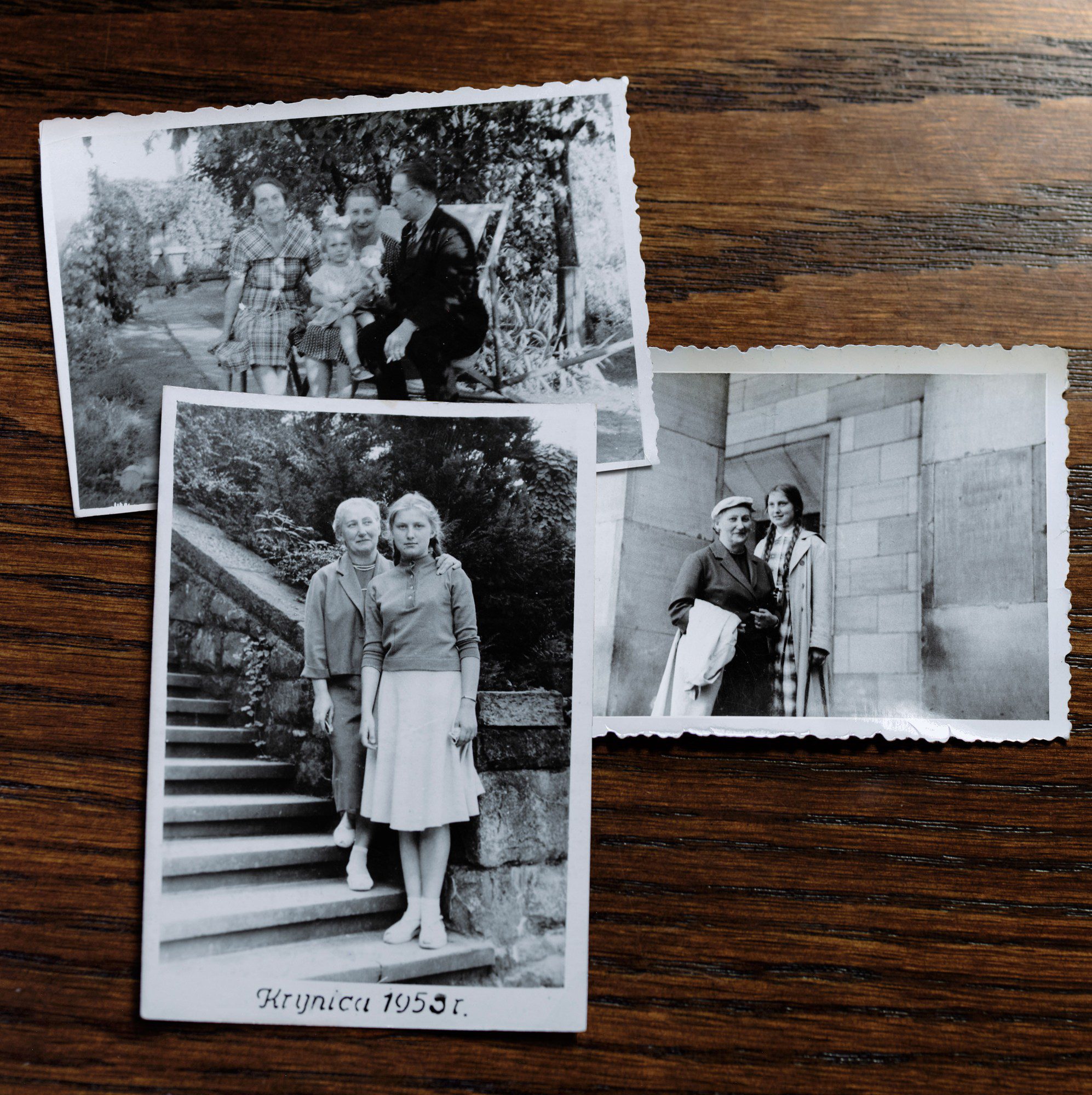
Clockwise, from top left: Sajdel-Sulkowska with her parents and aunt in Poland shortly after the end of World War II; with her mother on the steps at MIT when she came to campus for her interview in the summer of 1962; and with her mother in Krynica, Poland, in 1959.
COURTESY OF ELIZABETH SAJDEL-SULKOWSKA
Sajdel-Sulkowska’s cousin had provided money for her to attend MIT for one semester. “The rest of it had to be kind of patched,” she says. So she washed dishes in the chemistry department, plotted soil stress on graph paper in the mechanical engineering department, collected animal urine samples, and for one year worked as an au pair.
During most of her time at MIT, Sajdel-Sulkowska lived with her mother, who had come with her to the US and worked as a technician in a medical lab on Ames Street. They initially lived on Beacon Street in Boston, in a basement room with exposed pipes and wires, sharing a bathroom with other families. But her advisor, Margaret Freeman of the Russian studies department, visited one day and was so appalled at the conditions that she invited Sajdel-Sulkowska and her mother to stay at her home in Belmont. Then, midway through her undergraduate career, she spent a year in McCormick Hall, which had opened in 1963.
Sajdel-Sulkowska’s time in McCormick was a “turning point,” she says. When she lived off campus, she studied and worked on her problem sets alone and assumed everyone else was doing the same. Her isolation was exacerbated by the language barrier, and she felt even more alone in the face of male peers brimming with confidence, relatives suggesting she switch to secretarial school, and an instructor who told her, after a bad experience with a rat in an animal laboratory class, that MIT was not the place for her. At McCormick, she says, she learned that “not everybody knows everything” and that “there are people helping you—that you don’t have to do it all yourself.”
Her first paper on stress was published in 1969, 16 years after the double-helix structure of DNA was discovered. At the time, the finding that stress could alter the body at a cellular level was a revelation.
Sajdel-Sulkowska started her career at a time when there were very few women in science. Though MIT began formally accepting women in 1882, she was one of only two or three women earning a bachelor’s degree in biology in 1967; her entire class of more than 900 had only 20 to 30 women.
Being one of those few women was not easy. In the 1960s and ’70s, when she continued at MIT for graduate school, the field of biology had a culture of what she calls “unchecked harassment.” There was no way to complain without retribution. “That kind of culture created intimidation,” she says. “If you go through incidents of harassment, you become more vigilant.” Male colleagues had to be treated as male colleagues, not as colleagues. Still, she says, there were “a lot of helpful people.”
Many of those helpful people were those she encountered in the Margaret Cheney Room, a Building 3 sanctuary for female students complete with a bedroom, shower, and telephone booths. “That was a haven,” she says—a place where she made lifelong friends. It was also there that she wrote her doctoral thesis—longhand, with her husky, Amis, at her side, over the course of three months. She would write for three hours, sleep for 20 minutes, and repeat.
Sajdel-Sulkowska earned an SM in nutrition and food science (or, as she calls it, “eukaryotic biology in disguise”) and an ScD in the same subject with a minor in neuroendocrinology. Her graduate work would be her first foray into the study of stress as she examined DNA-dependent RNA polymerase II, an enzyme that copies DNA into RNA, and its regulation by cortisol, the stress hormone. Through studies in rat liver cells and then, after a nudge from her committee, in live rats, she found that there is a physiological response to stress through regulation of RNA transcription. Her research showed that artificial cortisol injected into rats altered the RNA polymerase enzymes that synthesize the RNA component of ribosomes. Those ribosomes in turn synthesize the proteins that carry out functions in the cell.
Her first paper on this work was published in 1969, 16 years after the doublehelix structure of DNA was discovered; a second paper followed in 1971. At the time, the finding that stress could alter the body at a cellular level was a revelation.
It was an exhilarating time to be studying biology, says Sajdel-Sulkowska; while she was working on her doctorate, researchers at MIT, Caltech, and the University of Wisconsin, Madison, discovered reverse transcriptase, the enzyme that copies RNA into DNA (the counterpart to the RNA polymerases she studied), for which they would later earn a Nobel Prize. “I was working in the laboratory, I was in a great group, things were happening—it was exciting!” she says.
Reflecting on her time at MIT, Sajdel-Sulkowska says she loved the atmosphere (“I liked the fact that you could work late in the evening”) and the energy. The challenges she had to overcome to succeed at the Institute were worth it, she says: “I wanted to do it, and I did it.”
After earning her ScD in 1972, she interviewed for a faculty position at Northwestern University and was offered the job. But she had recently met Adam Sulkowski, a psychiatrist and postdoctoral fellow, who had just arrived from Poland via France on a visa sponsored by Boston University and could not relocate. She returned to Boston, they married that October, and she became a postdoctoral fellow at Brandeis, where she continued to study RNA polymerase in yeast. Two years later, the first of their four sons was born.
Sajdel-Sulkowska carved out a career that was both broad and deep at a time when combining scientific work and motherhood was extremely rare and accommodations for US working mothers practically nonexistent. When her oldest son was born, in 1974, her three-month maternity leave was unpaid. After her second son arrived while she was completing another postdoc, at Shriners Burn Institute at Harvard Medical School (HMS), the cost of day care for two children exceeded her salary. So with no day care, her husband watched the two boys in the morning, and she found herself under a “tremendous amount of stress.”
And at Shriners, stress was again the subject of her work. In guinea pigs that have suffered severe burns, she discovered, an increase in cortisol inhibits DNA synthesis in the thymus, which plays a key role in immune function. Her research revealed that removing burned tissue as soon as possible leads to a faster return to normal thymus function and a faster recovery from burns.
In 1980 she became a lecturer in the HMS department of psychiatry with an appointment at McLean Hospital, and she was named an assistant professor six years later. Over the next two decades, she would work on a wide range of topics, including the relationship between mercury and autism, the mechanisms of Alzheimer’s disease, and the role of the thyroid hormone in brain development. She balanced work and motherhood with the help of her mother and her husband, who was supportive and proud of her. “Where there is a will, there is a way,” she says.
Sajdel-Sulkowska earned an ScD in nutrition and food science from MIT in 1972 and was named a Presidential Professor by Polish president Andrzej Duda in 2016.
In 1989, Sajdel-Sulkowska spent a sabbatical in the lab of Nobel laureate Walter Gilbert at Harvard, gaining experience in cloning, sequencing, and polymerase chain reaction (PCR)—a time she sees as another turning point in her career. In the Gilbert lab, which she describes as a large, vibrant group of young and older scientists, everyone’s work and opinion mattered. “We frequently met as a group and could freely discuss our experiments,” she says. The experience gave her confidence. “At that point I felt that I may be able to start something by myself,” she says.
Once back at HMS, she strove to create the same sort of atmosphere in her lab and began pursuing grants to fund more independent work. When inspiration struck for an especially ambitious research project a few years later, in 1998, Sajdel-Sulkowska embraced the challenge. She’d been watching Star Trek with her sons when she came up with the idea for an experiment examining the effect of yet another kind of stress: altered gravity. In recent NASA brain research on pregnant rats on the space shuttle Columbia, more than half of the rat pups had died. She wrote a grant proposal to work with NASA’s Ames Research Center to study altered gravity’s impact on rats’ brain development. For her study, she positioned pregnant rats in cages at different points on a 24-foot centrifuge, exposing them and their developing pups to varying levels of greater-than-Earth gravity for 42 days, through pregnancy and lactation. Then she measured the length of time the rat pups were able to stay on top of a motorized rotating cylinder (what’s known as a rotarod test) and discovered that hypergravity decreased motor function. Rat pups that developed at 1.65 times Earth gravity could only stay on the spinning wheel for as little as 10 seconds before falling off, while the pups that developed at Earth gravity were able to stay on for almost a minute.
Her research suggested that this may be because the higher gravity increases oxidative stress (an excess accumulation of free radicals that can damage the body’s cells) or suppresses thyroid activity, a problem that she had previously found to decrease the mass of the developing cerebellum.She also showed that hypergravity decreases the number of a crucial type of neurons in that region of the brain, which is responsible for movement, among other functions.Curiously, she found that male developing brains were more sensitive to hypergravity than their female counterparts. At the end of the experiment, the cerebellums of the male pups were visibly smaller than normal.
As her hypergravity research was underway, Sajdel-Sulkowska also examined the effect on brain development of another environmental stressor that had become pervasive: polychlorinated biphenyls, or PCBs, a group of toxic synthetic chemicals used so widely from the 1930s through the 1970s that they contaminated the air, water, and soil. She subjected rat pups that had been exposed to PCBs from before birth to rotarod tests and found that their performance decreased as well. So did the mass of their cerebellums, and as with hypergravity, the effect was greater in males than in females.
In 2010 Sajdel-Sulkowska, who had lost her husband to cancer in 2002, was devastated when her youngest son died at the age of 23 as he was recovering from an accident. Work would prove to be a lifeline. She moved back to Poland, where diving into new research “helped me survive,” she says. First as a visiting professor in veterinary medicine at the Warsaw University of Life Sciences and then teaching and doing research at the Medical University of Warsaw, she had an opportunity to work with many young scientists. Her research collaboration with Katarzyna Czarzasta, who is now an assistant professor at the Medical University of Warsaw, was particularly fruitful—and continues today. “She is a very good mentor,” says Czarzasta, who adds that she treated her students as equals.
While teaching in Poland, Sajdel-Sulkowska encountered many students who suffered from depression. “I also observed great stigma associated with psychiatric disorders in Poland, specifically with depression during pregnancy,” she says. That got her thinking about recent research on the use of probiotics—which are readily available in the grocery store—as an alternative treatment for depression. And that led to several projects on perinatal depression that she hoped would lay the groundwork for a study on probiotics as a treatment for it.
The differences in stress response between males and females are at least partly due to the sex hormones. Testosterone increases cortisol levels, so the stress response is greater in males.
In one, she applied chronic mild stress to rats just before pregnancy to model perinatal depression, which she verified by measuring cortisol levels and time spent grooming. Then she studied their pups and documented negative effects on their neurodevelopment and cardiac development. The effects differed in male and female offspring, and the sex-dependent cardiovascular effects in females persisted as they aged, potentially affecting the following generation as well. The study added to the growing body of research showing that the impact of environment and behavior—also known as epigenetic effects—can be passed along to offspring.
In the past, Sajdel-Sulkowska says, experimental work, including research on depression, was performed only on males, so that researchers wouldn’t have to control for women’s monthly hormone fluctuations. But thanks in part to pioneering studies like hers, scientists are beginning to recognize the importance of studying the sexes separately.
The differences in stress response between males and females are at least partly due to the sex hormones, says Sajdel-Sulkowska. Testosterone increases cortisol levels, so the stress response is greater in males; the effects of stressors on the thyroid hormone, too, are different. But beyond that, she points out that each sex has different issues when it comes to health in general: different microbiota, different disease risks, and different disease progressions and mortality rates. As a result, treatments for many diseases may need to be tailored specifically for males or females to be effective. (See “Depression is different for women. One-size-fits-all drugs aren’t helping.”) And even once both environmental factors and sex differences are considered, individual differences, such as a person’s unique microbiome, are likely to matter too. Sajdel-Sulkowska foresees a day when artificial intelligence will make it possible to correlate the differences in individuals’ microbiomes with disease, ultimately leading to individualized probiotic treatments for a variety of conditions—perhaps including depression.
Sajdel-Sulkowska would remain in Poland for a full decade, returning to the US in September of 2020. A year later, after 35 years as an assistant professor, she was forced to retire from HMS when Harvard didn’t renew her faculty appointment. Having focused on research without giving much thought to advancement, she was suddenly without an academic home. In 2022, she joined the National Coalition of Independent Scholars (NCIS) so she could continue her work without being affiliated with a particular university.
Sajdel-Sulkowska never had the security of a tenured position and estimates that over the course of her career, her average salary was $35,000 a year. (“I never realized that I could name my compensation,” she says.) But she was never in it for the money; she was driven by the work itself. And in her home country, she received some of the recognition that eluded her at Harvard. During her decade of research and teaching in Poland, she was awarded the country’s highest academic honor when she was named a Presidential Professor by Polish president Andrzej Duda.
CIARA CROCKER
Upon returning to the US during the pandemic, Sajdel-Sulkowska tackled a literature review to look for connections between covid, the microbiome, and the gut-brain axis, the physical and biochemical signals that go back and forth between the digestive system and the central nervous system (see sidebar). But the theme of stress continued to intrigue her; she published a paper on maternal stress in rats in 2021 and has another in progress. This recent research closes the circle opened with her doctoral thesis at MIT, she says: “I did my PhD thesis on stress—and I’m ending my career with [studying] stress.”
Sajdel-Sulkowska sees how her current work might apply to her own life. Her mother endured extreme stress during World War II, and she experienced extreme stress herself as a child born just before the Warsaw Uprising. Now, she wonders how that might affect her own children—in humans, the epigenetic effect of stress is known to stretch for multiple generations.
Her last year in Poland, she and her oldest son mapped the routes her aunt and mother took after the house where she was born was razed by the Nazis. They visited the transitional camp that her parents were taken to. And on her way to the presidential palace in 2016 to accept her academic honor, she passed by the site of her parents’ burned home. She remembered telling people she wanted to grow up to become a professor, like her father.
“Wow,” she thought. “What a long way to come and experience that.”
Research snapshot
Highlights from Sajdel-Sulkowska’s long and varied research career
Beyond her studies of stress, Elizabeth Sajdel-Sulkowska has delved into many other areas throughout her long career. Here’s a sampling of what else she has studied:
The effect of thimerosal on brain development
People had long speculated that thimerosal, a mercury-based preservative still used in small amounts in some vaccines and medicines, might be linked to autism. Starting in 2006, with support from two autism organizations, Sajdel-Sulkowska found that exposing rat pups to thimerosal during the perinatal period results in motor impairment, increased oxidative stress in the cerebellum, and a decrease in an enzyme called deiodinase 2, which is involved in regulation of the thyroid hormone—and that the effects were more pronounced in males. Looking at postmortem human brains, she found that oxidative stress markers were increased in the cerebellum in people with autism, and that their thyroid hormone levels and thyroid-hormone-dependent gene expression were disrupted as well. However, she did not observe different mercury levels in postmortem brains of people with and without autism. Although the small amount of thimerosal used in vaccines has not been implicated in autism, in 1999 public health departments and the American Academy of Pediatrics recommended limiting its use as a precautionary measure. Thimerosal has since been eliminated from nearly all childhood vaccines and reduced or eliminated in other vaccines.
The impact of perinatal bacterial infection on the developing brain
In 2008-’09, during a fellowship in Japan, she studied the effect of frequent perinatal infections on brain development by exposing rats to a lipopolysaccharide, or LPS, a type of molecule found in the outer membrane of certain bacteria. She found that, similar to rats exposed to thimerosal, LPS-exposed rats had increased oxidative stress, a decrease in deiodinase 2, a decrease in thyroid hormone, and decreased gene expression in the cerebellum. Their motor learning, as measured by the rotarod test, was also impaired.
The relationship between covid, the microbiome, and the gut-brain axis
During the pandemic, Sajdel-Sulkowska reviewed the published literature on all three topics to look for connections. Others had found that the virus SARS-CoV-2 enters the body by binding to the receptor for a human protein known as angiotensin-converting enzyme 2, or ACE2—a receptor found on cells in the lungs but also in the gut, among other places. And researchers had learned that the virus occupies and blocks sites through which some nutrients normally enter the gut, leading to a deficiency of those nutrients and decreased production of short-chain fatty acids for which they are required. Sajdel-Sulkowska hypothesized that the deficiency in short-chain fatty acids, which decrease inflammation and also contribute to normal brain function, may play a role in the “brain fog” and neuropsychiatric disorders some covid patients experience. Those effects, she predicts, could potentially be combated with probiotics. She conducted a similar literature review of the relationship between autism and the gut microbiome.
The trauma of an accident, an assault, abuse, or even simply losing someone we love can have long-term effects. For some, it can trigger mental illnesses. But what if, in the hours after the experience, you could take a pill that made you less likely to fall ill? And what if there were such a pill tailored specifically for women? That’s the goal Briana K. Chen ’16, a postdoctoral neuroscientist at Columbia University, spends her days nudging us closer to.
To grasp the problem she’s working toward solving, it’s useful to understand the perverse situation we face now: women are roughly twice as likely as men to experience depression, yet antidepressants were predominantly tested on male subjects. Moreover, while certain antidepressants seem to work better in men and others in women, that usually isn’t reflected in how they’re prescribed. Women are also more likely to experience adverse side effects with antidepressant use. Likewise, women face a higher risk of developing PTSD and anxiety, and again, the drugs used to treat these conditions were tested mainly on men. This means millions of women around the world suffer unnecessarily.
Chen’s research suggests it doesn’t have to be that way. She investigates the interaction between sex differences, stress, and mental illnesses, and her work could lead to some of the first female-specific treatments for depression, PTSD, and anxiety.
Chen finds it baffling that women and men receive the same medical treatments for psychiatric disorders when the differences between them are so significant—not only biologically, but also in terms of howthey experience the same illnesses. Women, for example, are more likely to have anxiety alongside depression. In men, on the other hand, depression is likelier to coincide with substance abuse disorders.
Part of Chen’s frustration with the status quo can be traced back to her upbringing. She went to all-girls schools from second grade through high school. The process of emerging from an insulated, all-female environment into the wider world was eye-opening for her. “One thing that was really striking, in the transition from high school to college, was the realization that the default is not female. The default is male. That was a bit of a shock to me,” she says.
Chen credits her abrupt exit from that nurturing environment with giving her a more clear-eyed view of current societal issues. “Injustices and inequalities exist, and you’re better poised to be able to see them and therefore address them,” she says.
Early results suggest that one dose of the drug is enough to prevent a whole range of fearful, depressive, and anxiety-like behaviors in female mice—and it appears to have very long-lasting effects.
When she arrived at MIT in the fall of 2012, Chen knew she wanted to major in brain and cognitive sciences. Through the Undergraduate Research Opportunities Program (UROP), she got a chance to delve into neuroscience research in several MIT labs, including that of Nobel Prize winner Susumu Tonegawa, whose team had just identified brain cells involved in encoding memories. Soon her interest in mental health more broadly was piqued.
“This whole journey began at MIT,” she says—referring both to her studies and to her deepening personal interest in the topic. The school “has a really big focus on mental health, especially for undergrads,” she adds. “Maybe it has something to do with the stressful, high-achieving environment.”
Chen says her parents inadvertently played a role in getting her interested in stress and resilience. They are first-generation immigrants—her mother from China and her father from Malaysia—who met in the UK while studying chemistry. Both went to the US for graduate school and then, in her mother’s case, postdoctoral training. “They are immigrants who did really well, but there are lots of other immigrants who struggle. And it’s very interesting to see what the combination of factors is behind that, how changes and different environments interact with intrinsic biological properties to do with resilience and adaptation,” she says.
In 2014, the summer before her junior year, Chen got a summer UROP working for Steve Ramirez, PhD ’15, who was then a doctoral student in Tonegawa’s lab, studying how we form memories and how optogenetics—a technique that uses light to control the activity of specific neurons—can be used to reactivate positive memories in the brain as a treatment for PTSD and depression. (Ramirez is now a professor of neuroscience at Boston University.)
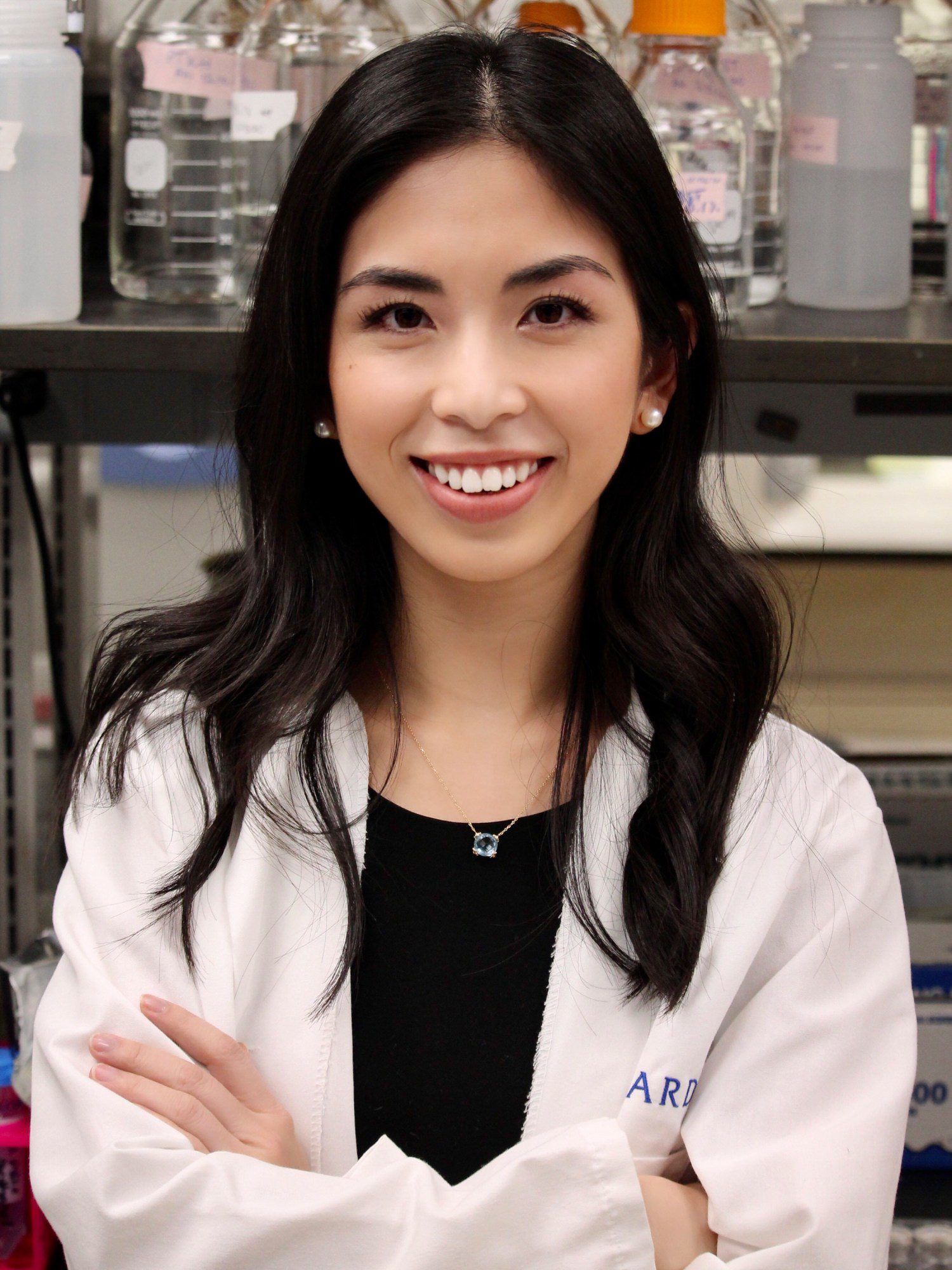
The work of Briana K. Chen ’16 could lead to some of the first female-specific drugs for depression, PTSD, and anxiety.
COURTESY OF BRIANA CHEN
The work was a revelation for Chen, who realized while working with Ramirez that she wanted to focus on studying stress-related disorders. In 2016 she applied to the doctoral program at Columbia University and got in. She landed in the lab of neuroscientist Christine Ann Denny, where she focused on developing sex-specific drugs that can enhance stress resilience and prevent stress-induced mental illnesses. Today Chen is a postdoc in Denny’s lab, and Denny describes Chen as her “right hand.”
“Most students leave my lab with no patents, or perhaps one. Honestly, with Bri I lose track,” she adds, with a laugh. (Chen says she’s filed six nonprovisional patents—formal patents that will be reviewed by the patent office—but even she has lost track of the informal provisional ones.)
Among the many patents she’s filed, one stands out. It’s for a mental-health application of a peptide drug called Bay 55-9837 that she’s currently investigating in animal models. Originally developed by Bayer in 2002 as a potential treatment for diabetes, the drug binds to and activates a receptor in the brain called VPAC2, which is known to regulate stress responses in female mice. Chen’s idea is that it could also serve as a “vaccine” for mental illness, which women could take in the wake of a trauma.
Chen and her colleagues discovered the compound’s potential for warding off negative mental effects of trauma in a roundabout way. They knew ketamine, an anesthetic sometimes used to treat depression, reduces the likelihood that people at risk for psychiatric disorders will develop them, but they wanted to investigate exactly how it does that. Chen decided to test whether ketamine was acting through the VPAC2 receptor or some other mechanism, so she used Bay 55-9837 while administering it, as a means to dial activity of the receptor up and down during testing. In the process, she discovered that the drug was effective in female mice—but not males—as a prophylactic on its own, without any ketamine involved.
Early results suggest that one dose of the drug is enough to prevent a whole range of fearful, depressive, and anxiety-like behaviors in female mice. Not only that, but it appears to have very long-lasting effects after a single dose is administered. It’s a finding that’s hugely promising, although Chen warns there’s still a lot to investigate—including safety, possible side effects, and dosing levels—before it can be tested in humans.
Chen is optimistic about the drug’s potential but acknowledges it could fail at a future clinical hurdle. It’s crucial to “proceed with caution and make sure we have all the data so that we can ensure the safety of any potential future patients,” she adds. “Women’s mental health is definitely an urgent matter, but that just means it is even more important for us to make sure that we are as informed and careful as possible when developing treatments.”
Her main goal as a researcher, she explains, is to contribute to how we understand the specific neurobiological mechanisms behind the ways women respond to stress. In the longer term, she hopes a more sex-specific approach will be adopted by other fields within medicine. It’s a way of treating people that could lead to far better outcomes, she argues.
“If we can make female-specific antidepressants, why stop there?” she says. “Couldn’t we start developing female-specific drugs to treat cardiac disease or autoimmune disorders? Could we start developing male-specific drugs to treat diseases as well? Overall, I think we could use this approach to move toward a more widespread model of personalized medicine where we use sex to inform treatment plans to improve the health of all patients.”
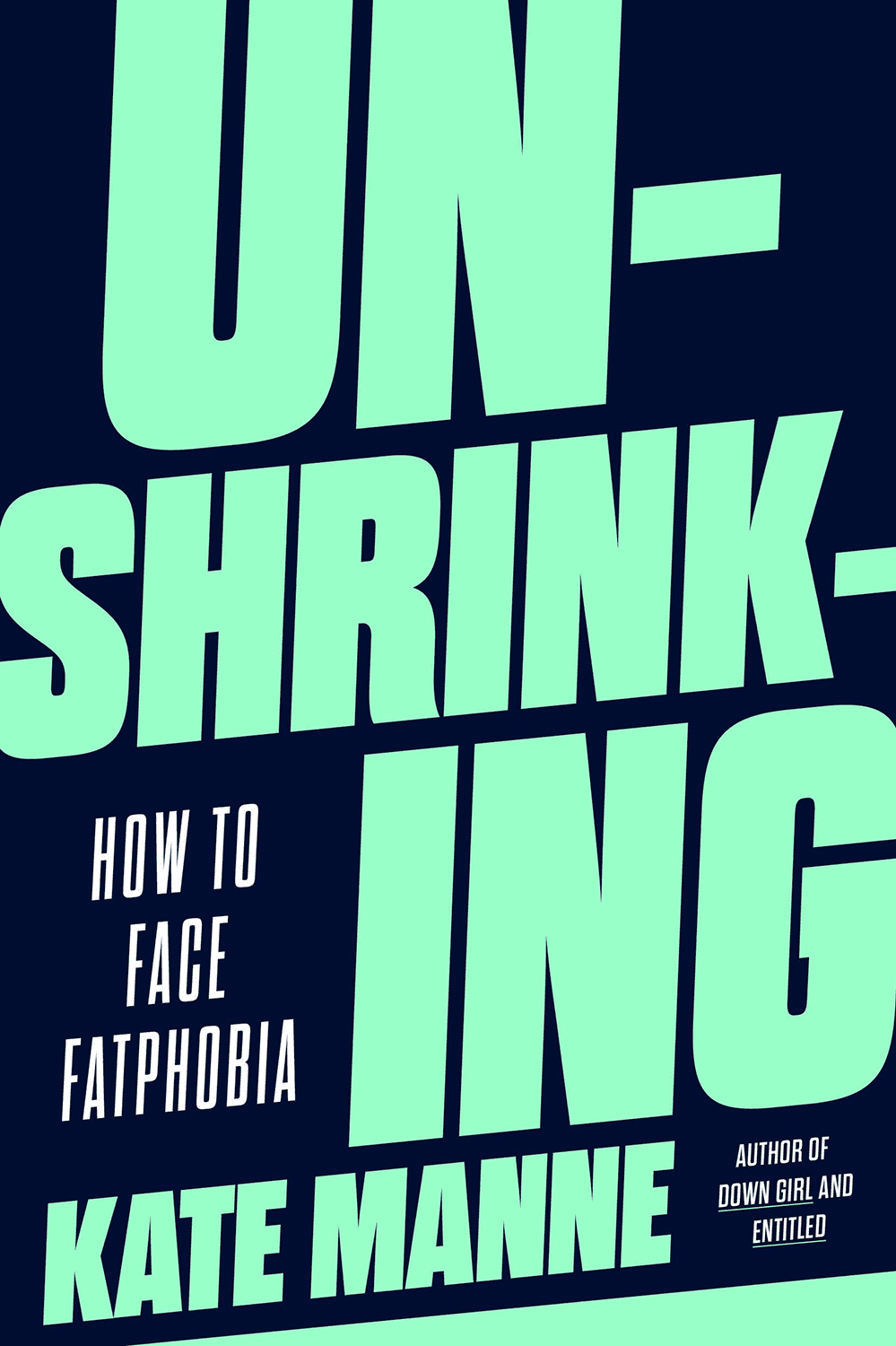
The startling admission appears in the opening paragraph of Kate Manne’s new book, Unshrinking: How to Face Fatphobia. With that single frank and sobering sentence, Manne, an associate professor of philosophy at Cornell, captures the pervasiveness of anti-fat bias—and its stifling impact.
Manne had tapped into the zeitgeist of #MeToo with her 2017 book, Down Girl: The Logic of Misogyny, and was frequently called upon by the press to comment on current events like Supreme Court Justice Brett Kavanaugh’s confirmation hearings. But in early 2019 she turned down the opportunity to go on an all- expenses-paid publicity tour of London to promote the paperback release because she felt too self-conscious about her weight. The experience made her uncomfortably aware that even she, an Ivy League academic with a PhD from MIT, had internalized our society’s anti-fat bias.
“The combination of being publicly feminist and fat is a way of violating patriarchal norms and expectations in this very fundamental way,” she says, making it difficult to speak out “in a body that is ripe to be belittled and mocked.”
Manne grew up in Melbourne, Australia, where she recalls being called fat for the first time by a classmate in fifth grade PE class. She’d been fascinated by philosophy, which she describes as “thinking about thinking,” since the age of five, when a family friend who was a philosopher asked her why she was catching butterflies in a net and taking away their freedom. So she studied the subject in college and then wound up at MIT for grad school because she wanted to study with Sally Haslanger, a professor of philosophy and women’s and gender studies. “Sally proved to me, and continues to do so today, that philosophy can be rigorous, nuanced, socially aware, and politically savvy,” Manne says. After earning her PhD in 2011 and spending two years as a junior fellow at the Harvard Society of Fellows, she joined the faculty at Cornell, where her research focuses on moral, feminist, and social philosophy.
In Down Girl, Manne outlined the distinction between sexism (a patriarchal belief system) and misogyny (the enforcement of patriarchal norms by punishing women who violate them). The book was widely hailed: Rebecca Traister, author of Good and Mad: The Revolutionary Power of Women’s Anger, said Manne did “a jaw-droppingly brilliant job of explaining gender and power dynamics,” and in 2019 Manne was voted one of the world’s top 10 thinkers by the UK magazine Prospect. Her second book, Entitled: How Male Privilege Hurts Women, made it onto the Atlantic’s list of the best 15 books of 2020 and Esquire’s list of 15 exceptional feminist books.
Haslanger isn’t at all surprised by her former graduate student’s success: “It was clear to those who knew her well that with her philosophical training, her beautiful writing, and her keen insight into the social domain, she would become a major public intellectual. And she has surpassed even our expectations.”
Nonetheless, says Manne, “it took 25 years for the personal piece of [feminism] to fall into place along with the political piece.” That personal aspect is chronicled in painful detail in Unshrinking, as Manne connects the dots between misogyny and the fatphobic bullying she suffered as a teen. “The form misogyny took was weaponized fatphobia against me as a slightly larger-than-average teen girl,” she explains.
“Since my early 20s, I have been on every fad diet. I have tried every weight-loss pill. And I have, to be candid, starved myself, even not so long ago,” Manne writes in the introduction to Unshrinking. “I can tell you precisely what I weighed on my wedding day, the day I defended my PhD dissertation, the day I became a professor, and the day I gave birth to my daughter. (Too much, too much, too much, and much too much, to my own mind then.) I even know what I weighed on the day I arrived in Boston—fresh off the plane from my hometown of Melbourne, Australia—to begin graduate school in philosophy, nearly twenty years ago.”
Although she had been aware of the work of fat activists, it was motherhood that finally pushed Manne to stop engaging in disordered eating and extreme dieting, and ultimately to write Unshrinking. She didn’t want her daughter “to bear witness to a mother trying to shrink herself in a futile and pointless and frankly sad way,” she says. In conducting research for the book, she came across some alarming statistics: by age six, more than half the girls in one study had worried about being fat, and another study found that by age 10, an astounding 80% of girls had been on a diet. Even many feminists “still want to shrink our bodies in ways that conform to patriarchal norms and expectations that are extremely hard to resist,” Manne says.
Unshrinking joins the growing literature on anti-fat bias, including the work of sociologist Sabrina Strings, whose book Fearing the Black Body details its racist origins, tracing the shift from the admiration of plumpness as a sign of wealth to the vilification of fat that she argues developed alongside the transatlantic slave trade. Like recent books by Aubrey Gordon and journalist Virginia Sole-Smith, Manne’s uses scientific research to debunk pervasive misconceptions—for example, about the extent to which people can control the size of their bodies—and even to counter the idea that obesity is a disease that requires a cure or large-scale policy response.
Research from as early as 1959 has shown that most people cannot sustain long-term weight loss. A recent piece in the journal Obesity finds that weight regain “occurs in the face of the most rigorous weight-loss interventions” and that “approximately half of the lost weight is gained back within 2 years and up to 70% by 5 years.” Not even those who undergo bariatric surgery, the researchers add, are immune to weight regain. Two physician researchers from Columbia and the University of Pennsylvania recently reported in Nature Metabolism, “Overall, only about 15% of individuals can sustain a 10% or greater non-surgical, non-pharmacological weight loss.”
Likewise, while exercise is beneficial for our bodies, a research review published in Diabetes Spectrum concludes it’s not firmly established that it plays a big role in helping people lose weight.
“I can tell you precisely what I weighed on my wedding day, the day I defended my PhD dissertation, the day I became a professor, and the day I gave birth to my daughter.”
And although the medical establishment has been saying for decades that obesity leads to diseases like diabetes and hypertension, Manne points out that the dynamics are complex and there is much that is still unknown. While being very heavy is correlated with increased mortality, she maintains that we cannot assume it is a direct cause. For example, researchers have found that diabetes is associated not only with obesity but with poverty, food insecurity, and even past trauma as well.
Manne’s argument is not that being fat is unassociated with health risks, but rather that the connection is oversimplified. Given that there’s no proven route to long-term weight loss for most people, she says, we should focus on treating people’s diagnosable problems (such as diabetes and heart disease) rather than stigmatizing them because of their size. But anti-fat bias is all too common among medical professionals, who often misdiagnose fat people’s actual health problems because they ignore their reported symptoms. The prospect of dealing with this prejudice can also discourage fat people from going to the doctor at all. In 2020, a review of scientific publications led an international multidisciplinary expert panel to conclude that weight bias can lead to discrimination, undermining people’s human and social rights as well as their health. The 36 experts pledged in Nature Medicine to work to end the stigma attached to obesity in their fields.
What is needed, Manne argues, is to dismantle diet culture, which not only does not make people thinner in the long term but appears to make them fatter: “The studies that I draw on in the book make a very clear empirical case that a really excellent way to gain weight is to diet.” For example, a 2020 review in the International Journal of Obesity suggests that dieting can lead to eventually regaining more weight than was lost, given how one’s metabolism reacts to food restriction. A better way to improve public health, Manne argues, is to reduce the bias against larger bodies and make public spaces more accessible for people of all sizes. While data on the potential effects is limited, one 2018 study suggests that a weight-neutral approach known as Health at Every Size (HAES) is beneficial for body image and quality of life.
As a philosopher, Manne offers novel insights by looking at the way fatness is framed as a moral issue. Western societies see fat people as moral failures because, it is assumed, they lack the willpower to eat healthy foods and exercise. Manne argues that we have been conditioned to feel disgust toward fat people, and that this disgust is both “socially contagious” and deeply ingrained. Furthermore, we don’t trust feelings of pleasure derived by eating, or we don’t believe we inherently deserve food that tastes good; instead, we think we have to “earn” it, usually by depriving ourselves. Indeed, most of us are subject to frequent moralizing about “good” and “bad” food—whether from friends, family members, or our own internal voices.
All of this is part of what Manne calls the “fallacy of the moral obligation to be thin.” Secular moral philosophy is “clear that happiness and pleasure are good things, which we should be increasing in the world and promoting,” she says. “There’s nothing shameful about something that feels good, that some people want intensely, as long as it doesn’t hurt others or deprive others.”
In her new book Unshrinking: How to Face Fatphobia, philosopher Kate Manne offers novel insights by examining how fatness is framed as a moral issue.
So if diet culture causes pain, deprivation, and eating disorders, Manne maintains, we have a moral obligation to avoid it and instead to derive pleasure from eating. She reasons, “If you do think of there being a kind of moral value in self-care, then we really ought to be satisfying our appetites by eating satisfying food, as well as nourishing our bodies for instrumental reasons.” In her book, she calls diet culture a “morally bankrupt practice.”
But Manne’s experience as a fat academic has shown that most highly educated people still cling tightly to the “pseudo-obligation to try to shrink ourselves,” she says. Stereotypes of fat people as lazy and dumb are particularly harmful in spaces where intellect is highly prized. Anti-fat bias is pronounced in her field, Manne believes, “because as much as we pretend in philosophy not to all be dualists, we value the mind much more than the body, and we’re deeply suspicious of the body.” Tracing this “philosophical disapproval of indulgence” back to Plato and Aristotle, she says: “We think of the body as something feminine, wild, out of control, irrational—not a source of wisdom, but a source of really antiphilosophical distraction that will prevent us from … using our minds to think deep thoughts.”
The default image of an academic is thin, white, male, and able-bodied, which “distorts both our sense of who can think important thoughts and … what intellectual authority really is,” Manne says. This makes being a fat woman in academia particularly fraught. Favorable student evaluations are critical for gaining tenure, and numerous studies have shown that students already tend to judge female professors more harshly.
UCLA sociology professor Abigail Saguy finds Manne’s work compelling because she writes in an accessible way, “really reaching beyond the ivory tower and communicating important and complex topics.” A decade ago, Saguy wrote What’s Wrong with Fat, and she has seen a rise in awareness about anti-fat discrimination. However, she also notes the co-optation of “body positivity” rhetoric by weight-loss companies and influencers in order to sell their products.
Of course, the biggest news in the weight-loss industry has been the explosion in popularity of injectable drugs like Ozempic, which was originally developed to treat type 2 diabetes. Although Ozempic can be life-changing for diabetics, as well as potentially for those with cardiovascular risks, Manne says, “the majority of people who are pursuing intentional weight loss via these drugs are not even in higher risk categories” based on their body mass index, or BMI. A measure of body fat based on height and weight, BMI classifies people as underweight, normal, overweight, or obese and has been deemed deeply flawed by the American Medical Association (AMA) since it relies on data collected from non-Hispanic white people and has been used in racist ways. Even so, Manne notes that an analysis of data from the US National Health Interview Survey showed that people in the “overweight” category actually have the lowest all-cause mortality (lower than those in the “normal” category) even after controlling for smoking and preexisting diseases. So there’s often no medical need for people in this group—about a third of the US population—to use weight-loss drugs, she says.
With enormous profits at stake—the valuation of Novo Nordisk, which makes Ozempic, exceeds Denmark’s annual GDP—companies are eager to promote the idea of an obesity “epidemic” that got a boost in 2013, when the AMA declared obesity a disease even though a council it had convened on the matter advised against doing so. “Obviously these companies have a massive incentive to overinflate the extent and the seriousness of the problem,” she says, adding that if people discontinue these drugs because their side effects are intolerable or they’re too expensive, “the weight is gonna come roaring back.”
Manne believes that while people are entitled to pursue intentional weight loss, no one should feel obligated to do so. And when fat influencers or activists lose weight in a very public way, she says, they further stigmatize fat people who choose the path of fat acceptance. A recent New York Times article buttresses her argument. Manne is worried about “a real reversal of the progress we’ve made in fat-activist communities,” fearing that it may be easier for doctors to prescribe drugs to fat patients than to reexamine their own long-held negative beliefs about them.
However, the positive feedback for Manne’s work suggests that it can make an impact. Roxane Gay, author of Hunger, proclaimed Unshrinking “an elegant, fierce, and profound argument for fighting fat oppression in ourselves, our communities, and our culture.” Booklist called it “a brilliant takedown of fatphobia” in its starred review. Manne is particularly heartened by readers who have told her that the book convinced them to stop dieting or helped them advocate for themselves—for example, by asking for an airplane seatbelt extender without shame. Progress may be slow, but it’s progress.
Typography is an essential component of web design. It’s also affordable, as many resources offer free fonts and tools, even for commercial use.
Here is a list of companies offering free commercial fonts, typography tools, and educational materials to build skills and connect with designers. Before using a font, be sure to verify its terms.
Free Typography Resources
The League of Moveable Type is an open-source type foundry providing a curated collection of free fonts to use and learn from. The site also offers a newsletter, podcast, and courses to improve typography skills. The League was founded in 2009 by designer and educator Micah Rich as a spinoff from his studio, A Good Company.
The League of Moveable Type
Google Fonts is a library of more than 1,500 font families with APIs. Explore, sort, and test fonts in more than 135 languages. The library also contains icons. Access the Fonts Knowledge section for original typography guides, which the Google Fonts team produces in collaboration with experts worldwide. All Google Fonts are open source and free.
DaFont is a popular archive of 86,000 free downloadable fonts such as freeware, shareware, demo versions, and public domain. Browse by alphabetical listing, style, theme, author, or popularity. Access the forum and the list of tools for font management, creation, and more.
Font Squirrel is a resource for free, hand-picked, quality, commercial-use fonts. Browse by classification, tag, language, and foundry. Sort alphabetically or by date or popularity. Filter fonts by licenses, family size, or download location. Use the identifier to upload a text image and identify the fonts with the closest match. Join community discussions.
Font Squirrel
Behance, part of Adobe, is a social media platform with over 50 million members to showcase and discover creative work. Easily search for free commercial fonts and inspirational typography.
Font Freak provides access to over 125,000 commercial fonts — more than 9,000 are free from roughly 400 designers. It also includes a font software section with free trial editions of editing and management tools.
FontSpace contains over 120,000 free fonts with quick, customizable previews. Each font is reviewed by a FontSpace moderator, checked for quality, and verified for valid licenses. Enjoy monthly hand-picked selections of free fonts. Use the font generator to create fonts that are easy to copy and paste into your website, social media profiles, and more.
FontSpace
Font Bundles offers free fonts and exclusive pricing on premium fonts from independent designers. The site includes a free fonts section with a new free font every week. Free fonts are available to download with the start of an account. Designers can use the marketplace to register and list fonts in bundles and deals.
Urban Fonts features over 8,000 free fonts, along with premium fonts and free dingbats. Some are trial versions and contain a limited character set. Urban Fonts is simple and easy to use, with a handy preview for quick browsing.
FreeTypography is dedicated to sharing quality, free fonts. This curated resource offers hundreds of fonts available to download with one click. The site publishes interviews with designers and a list of those available for hire.
FreeTypography
Free Fonts Project is a resource from the TypeType design studio. This project aims to promote font design and increase its accessibility. The free font collection includes creations by TypeType school graduates and trial versions of TypeType fonts. The resource doesn’t have as many free fonts as others on this list, but each font includes extensive information on the font family and creative team.
1001 Fonts provides over 35,000 free fonts through a user-friendly interface. The site has a handy “Commercial Free” button to filter the approximately 6,000 free commercial fonts.
Dribbble is a social networking platform for digital designers to collaborate and find clients. Search for free commercial fonts, post a design job, hire talent, and access inspirational design resources and tutorials.
Fontesk is a curated library of quality free fonts available to download for commercial or personal use. Filter by category or tag. Select from personal or commercial checkboxes to filter free fonts.