If you want to know where AI is headed, this year’s Google I/O has you covered. The company’s annual showcase of next-gen products, which kicked off yesterday, has all of the pomp and pizzazz, the sizzle reels and celebrity walk-ons, that you’d expect from a multimillion-dollar marketing event.
Yes, Google’s roster of consumer-facing products is the slickest on offer. The firm is bundling most of its multimodal models into its Gemini app, including the new Imagen 4 image generator and the new Veo 3 video generator. That means you can now access Google’s full range of generative models via a single chatbot. It also announced Gemini Live, a feature that lets you share your phone’s screen or your camera’s view with the chatbot and ask it about what it can see.
Those features were previously only seen in demos of Project Astra, a “universal AI assistant“ that Google DeepMind is working on. Now, Google is inching toward putting Project Astra into the hands of anyone with a smartphone.
Google is also rolling out AI Mode, an LLM-powered front end to search. This can now pull in personal information from Gmail or Google Docs to tailor searches to users. It will include Deep Search, which can break a query down into hundreds of individual searches and then summarize the results; a version of Project Mariner, Google DeepMind’s browser-using agent; and Search Live, which lets you hold up your camera and ask it what it sees.
This is the new frontier. It’s no longer about who has the most powerful models, but who can spin them into the best products. OpenAI’s ChatGPT includes many similar features to Gemini’s. But with its existing ecosystem of consumer services and billions of existing users, Google has a clear advantage. Power users wanting access to the latest versions of everything on display can now sign up for Google AI Ultra for $250 a month.
When OpenAI released ChatGPT in late 2022, Google was caught on the back foot and was forced to jump into higher gear to catch up. With this year’s product lineup, it looks as if Google has stuck its landing.
On a preview call, CEO Sundar Pichai claimed that AI Overviews, a precursor to AI Mode that provides LLM-generated summaries of search results, had turned out to be popular with hundreds of millions of users. He speculated that many of them may not even know (or care) that they were using AI—it was just a cool new way to search. Google I/O gives a broader glimpse of that future, one where AI is invisible.
“More intelligence is available, for everyone, everywhere,” Pichai told his audience. I think we are expected to marvel. But by putting AI in everything, Google is turning AI into a technology we won’t notice and may not even bother to name.
This is today’s edition of The Download, our weekday newsletter that provides a daily dose of what’s going on in the world of technology.
By putting AI into everything, Google wants to make it invisible
If you want to know where AI is headed, this year’s Google I/O has you covered. The company’s annual showcase of next-gen products, which kicked off yesterday, has all of the pomp and pizzazz, the sizzle reels and celebrity walk-ons, that you’d expect from a multimillion dollar marketing event.
But it also shows us just how fast this still-experimental technology is being subsumed into a line-up designed to sell phones and subscription tiers. Never before have I seen this thing we call artificial intelligence appear so normal. Read the full story.
—Will Douglas Heaven
AI could keep us dependent on natural gas for decades to come
Last December, Meta announced plans to build a massive $10 billion data center for training its artificial intelligence models in rural northeast Louisiana. Stretching for more than a mile, it will be Meta’s largest in the world, and it will have an enormous appetite for electricity.
To power the data center, a Meta contractor called Entergy will build three large natural-gas power plants with a total capacity of 2.3 gigawatts. It’ll also upgrade the grid to accommodate the huge jump in anticipated demand.
The choice of natural gas as the go-to solution to meet the growing demand for power from AI is not unique to Louisiana. The fossil fuel is already the country’s chief source of electricity generation, and large natural-gas plants are being built around the country to feed electricity to new and planned AI data centers. That’s all but wiping out any prospect that the US will wean itself off natural gas anytime soon. Read the full story.
—David Rotman
This story is part of Power Hungry: AI and our energy future—our new series shining a light on AI’s energy usage. Check out the rest of the package here.
Take a new look at AI’s energy use
Big Tech’s appetite for energy is growing rapidly as adoption of AI accelerates. But just how much energy does a single AI query use? And what does it mean for the climate?
Join editor in chief Mat Honan, senior climate reporter Casey Crownhart, and AI reporter James O’Donnell at 1.30pm ET today for a subscriber-only Roundtables conversation digging into our new package of stories about AI’s energy demands now and in the future. Register here.
The must-reads
I’ve combed the internet to find you today’s most fun/important/scary/fascinating stories about technology.
1 Democrats are on the hunt for a digital thought leader They’re (finally) realizing how far they’re lagging behind their opponents’ online efforts these days. (NYT $) + AI’s impact on elections is being overblown. (MIT Technology Review)
2 At least two newspapers printed an AI-generated summer reading list The only problem is, some of the books don’t actually exist. (404 Media) + It’s a useful reminder to never take anything chatbots produce as fact. (Axios) + Even regional newspapers aren’t safe from AI slop. (The Atlantic $) + Why AI hallucinates, and why we can’t stop it. (MIT Technology Review)
3 The Earth may already be too hot to maintain polar ice sheets Even if it stays at current temperature levels. (WP $) + Why climate researchers are taking the temperature of mountain snow. (MIT Technology Review)
4 How New York City’s child abuse algorithm flags families for investigation Critics believe it’s open to racial bias. (The Markup)
5 Here’s what it’s like to interview for a job at DOGE The hiring process is remarkably fast, for a government entity. (Wired $) + The department reportedly tried to enter the US government’s publishing operation. (Politico) + DOGE’s tech takeover threatens the safety and stability of our critical data. (MIT Technology Review)
6 Fortnite has finally returned to Apple’s App Store After five years and a lengthy legal battle. (NYT $) + The recent ruling has major implications for the iOS economy. (Reuters)
7 Most chatbots can be tricked into dispensing dangerous information From hacking advice, to describing how to make drugs. (The Guardian) + Anthropic has a new way to protect large language models against jailbreaks. (MIT Technology Review)
8 Young Indonesians are being trafficked to scam farms Fraudulent job ads on Telegram and Facebook lure them into a life of crime. (Rest of World) + Inside a romance scam compound—and how people get tricked into being there. (MIT Technology Review)
9 Inside the building in China where stolen western iPhones are stripped and sold You’ll find a buyer for every single component inside the Feiyang Times. (FT $)
10 Amazon has started randomly refunding customers for old purchases Some orders were placed as far back as 2018. (Bloomberg $)
Quote of the day
“Anybody who’s a computer scientist should not be retired right now. They should be working on AI.”
—Google cofounder Sergey Brin says people with the right technical skills should copy him and quit being retired, TechCrunch reports.
One more thing
This fuel plant will use agricultural waste to combat climate change
A startup called Mote plans to build a new type of fuel-producing plant in California’s fertile Central Valley that would, if it works as hoped, continually capture and bury carbon dioxide.
It’s among a growing number of efforts to commercialize a concept first proposed two decades ago as a means of combating climate change, known as bioenergy with carbon capture and sequestration, or BECCS.
It’s an ambitious plan. However, there are serious challenges to doing BECCS affordably and in ways that reliably suck down significant levels of carbon dioxide. Read the full story.
—James Temple
We can still have nice things
A place for comfort, fun and distraction to brighten up your day. (Got any ideas? Drop me a line or skeet ’em at me.)
+ These creepy little Labubu toys are everywhere. But why? + Happy 25th birthday to one of London’s finest institutions, the Tate Modern gallery. + Why the Mission Impossible film franchise just won’t die. + Hummingbirds can fly backwards!? Wow.
Amazon (88%) and brand-owned websites (75%) are the leading sales channels for cross-border ecommerce. That’s according to “Going Global, Smarter: The Ecommerce Leader’s Guide to Scaling Internationally,” a just-released study by Passport, a prominent cross-border ecommerce solutions provider.
Passport commissioned Drive Research, a global consulting firm, to survey executives at U.S.-based ecommerce firms expanding internationally. The 43-question survey, conducted in Q1 2025 with 100 respondents, solicited the firms’ cross-border priorities, tactics, tools, challenges, and more.
–
According to the study, most companies (63%) opt to handle international fulfillment and shipping through a U.S.-based third-party logistics provider. This strategy streamlines logistics by keeping inventory in one location, minimizing the complexity of managing operations across various countries.
–
Local destination fulfillment expedites delivery and eliminates many customs hurdles. Yet 47% of surveyed executives cited inventory management concerns for not pursuing that method.
–
Sixty-nine percent of survey respondents plan to increase international advertising in 2025. Still, many cite profitability barriers to their global expansion efforts. The top challenges include entering new markets (42%), high expenses (38%), and dealing with duties and tariffs (37%).
A superior shopping and post-purchase experience may be the best way to retain ecommerce customers. Here are nine books that offer ideas, inspiration, and tips for achieving customer-service excellence.
The authors, who have worked at Microsoft, aim to help experienced customer experience professionals understand AI (and its human and ethical aspects) and learn how to apply it to improve service and support.
Boccuzzi, a retail consultant, has advised Amazon, Heineken, Procter & Gamble, Fandango, T-Mobile, and David’s Bridal, among others. His TEDx talk on YouTube is popular for customer service training. Boccuzzi’s book presents his S.E.D.U.C.E framework for turning customers into fans.
In his latest guide, customer service expert Solomon provides practical insights on creating a culture of exceptional customer service, including recovering angry customers, training employees, and using the latest technology. His earlier book, “Ignore Your Customers (and They’ll Go Away),” argues that more customers don’t mean lesser service, and offers tips and advice for transforming customer service culture.
An award-winning entrepreneur who received offers from four investors on TV’s “Shark Tank,” Hodak shares her methods in engagement campaigns for leading brands. Through insightful case studies and entertaining stories from working with Walmart, Disney, Dolly Parton, and others, she offers a simple system for winning and keeping customers.
Cole, who leads the always-sold-out Savannah Bananas baseball team (called “the greatest show in baseball” by ESPN), shares his uniquely entertaining, decidedly out-of-the-box approach to achieving business success by creating fans for life — and having fun doing it.
Offering exceptional customer service doesn’t eliminate dissatisfied and complaining customers. With the right approach, those situations can be opportunities to learn and improve and turn complainers into long-term, repeat buyers.
The author argues that customer service directly impacts competitive advantage in all kinds of businesses, and that even successful companies can do it better. He presents the principles he used to build three businesses and help clients succeed.
Bell is a leading speaker and writer on customer service. His book offers inspiration and practical advice for listening to customers as collaborators.
by Thomas Suwelack, Manuel Stegemann, Feng Xia Ang
Customer experience is a key to success in retail and service industries. The authors’ interdisciplinary approach combines management, design, and psychology to explain how to structure and apply a systematic strategy for a customer-centric startup.
Google has released new guidelines for website owners who want to excel in AI-powered search.
In a blog post, Search Advocate John Mueller shared tips for ranking in AI Overviews and AI Mode.
This guidance comes as Google moves beyond traditional “blue links” to offer more AI-driven search features.
Curious about AI in Search and your website? We just launched two new documentation pages and a blog post with some general tips on what to think about with regards to these new Search experiences. Check out the blog post at https://t.co/fYaVOfICmL
— Google Search Central (@googlesearchc) May 21, 2025
AI Is Changing Search Behavior
Google noted that users now ask longer questions and follow-up queries through these new interfaces, which creates challenges and opportunities for publishers.
Mueller writes:
“The underpinnings of what Google has long advised carries across to these new experiences. Focus on your visitors and provide them with unique, satisfying content.”
Content Quality Remains Paramount
Google says creating “unique, non-commodity content” is still the foundation for success in all search formats, including AI.
The company recommends focusing on content that meets user needs instead of trying to trick the algorithm.
Google points out that AI search users ask more specific questions and follow-ups. This suggests that thorough, detailed content works especially well in these new search environments.
Technical Requirements and Page Experience
Beyond good content, Google stressed the importance of technical access.
This includes ensuring that:
Googlebot isn’t blocked
Pages load correctly
Content can be indexed
Also focus on user experience factors like mobile-friendly design, fast loading speeds, and clear main content.
Mueller writes in the blog post:
“Even the best content can be disappointing to people if they arrive at a page that’s cluttered, difficult to navigate or makes it hard to find the main information they’re seeking. Ensure that you’re providing a good page experience for those who arrive either from classic or AI search results…”
Managing Content Visibility In AI Experiences
Google confirms that current content controls work for AI search.
Publishers can use the following tags to control how their content appears:
nosnippet
data-nosnippet
max-snippet
noindex
More restrictions will limit visibility in AI results.
Multimedia Content For Multimodal Search
Google’s blog post stressed the growing importance of images and videos as Google’s AI improves.
With multimodal search, you can upload images and ask questions about them. Google recommends adding high-quality visuals to support your text content.
Ecommerce businesses should keep their Merchant Center and Business Profile information updated for better performance in visual searches.
Rethinking Success Metrics
Google shared insights about user behavior with AI search results, suggesting publishers may need to reconsider how they measure success:
“We’ve seen that when people click to a website from search results pages with AI Overviews, these clicks are higher quality, where users are more likely to spend more time on the site.”
Google suggests AI results provide better context about topics, potentially sending more engaged website visitors.
Mueller encourages site owners to look beyond just clicks and focus on more meaningful metrics like sales, signups, and engagement.
What This Means
This guidance shows that while search looks different now, Google’s main ranking principles haven’t changed.
Unique content, technical quality, and user experience still define success, even as AI changes how people use search.
The key takeaways are:
Your website meets the technical requirements for Google Search
Optimize your images and videos
Review your meta directives
Rethink how you measure traffic quality from AI search rather than just counting clicks.
Google’s full guidance, along with additional resources on AI features and generative AI content, can be found on the Google Search Central blog.
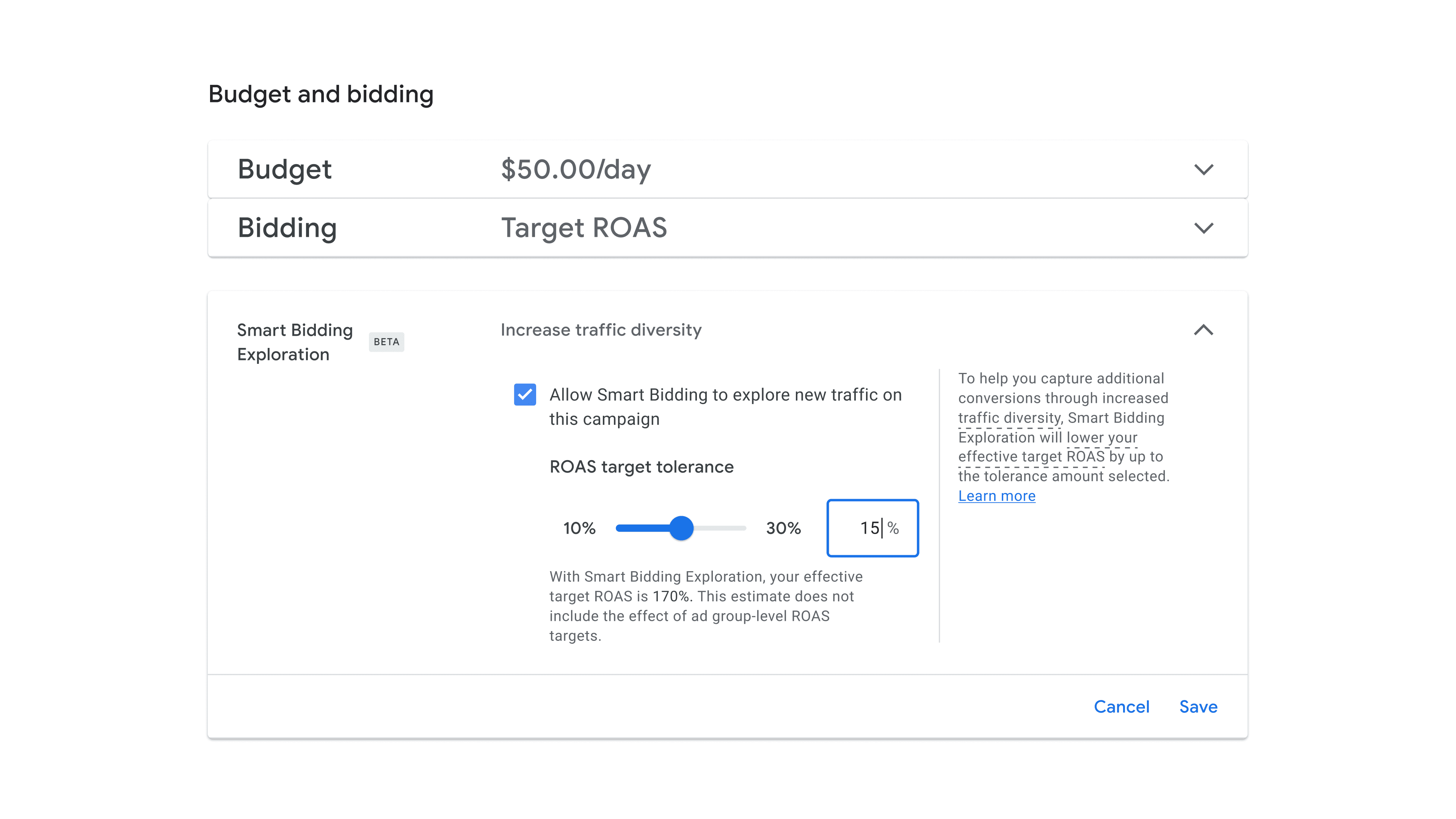
Just announced at Google Marketing Live, Google is launching Smart Bidding Exploration, a new opt-in feature designed to help advertisers capture more conversions from their existing campaigns.
This update marks one of the most significant changes to Google Ads bidding over a decade.
This isn’t a cosmetic update or a tweak to an existing bidding model.
It’s a fundamental shift in how Google allows advertisers to find value in queries they’ve likely been overlooking.
If you’re focused on maximizing ROAS or sticking tightly to past performance data, this is one update worth paying attention to.
How Does Smart Bidding Exploration Work?
Smart Bidding Exploration works within the bounds of your existing campaign structure.
It doesn’t expand your audience targeting or broaden your keyword strategy (no pun intended).
Instead, it allows the bidding algorithm to more aggressively pursue opportunities you were eligible for, particularly on Broad match and Dynamic Search Ads (DSA) campaigns.
But, there is a catch for using it: you’ll need to allow some flexibility in your ROAS targets to use it.
Advertisers can opt into Smart Bidding Exploration by giving Google permission to bid below their typical ROAS threshold, generally in the 10-30% range.
That means Google may raise your bids on certain queries if its AI systems determine those queries could convert at a healthy volume and cost.
Smart Bidding Exploration is a different approach to just adjusting ROAS targets across the board at the campaign level. In fact, constantly adjusting ROAS targets could cause more volatility in performance instead of improving it.
Instead, Smart Bidding Exploration fine-tunes bidding for queries that would otherwise be filtered out.
What You Can Expect From Reporting
While advertisers won’t see a detailed breakout of every new search query due to privacy threshold, Google is giving visibility into the impact of Smart Bidding Exploration through the Bid Strategy report.
You’ll be able to track:
The number of unique search categories generating impressions and conversions
How much traffic came from these categories
The volume of new conversions compared to your baseline
While the reporting is currently aggregate, Google is looking for more granular visibility on the roadmap.
The feature is also compatible with Drafts & Experiments, so you can run clean A/B tests to isolate results.
Support for Portfolio Bid Strategies is included at launch, and SA360 support is expected soon.
Why Should Advertisers Test This?
For marketers managing Search campaigns that have stalled in growth or seem overly narrow in scope, this could be a solid way to unlock additional conversions.
The feature offers a way to capture more conversions without blowing up campaign structure or budget.
Additionally, this feature is not changing your audience targeting. That’s an important distinction.
For example, Optimized Targeting on Display or Demand Gen actively expands who sees your ads.
Smart Bidding Exploration doesn’t do that. It keeps your targeting exactly as is, but unlocks the potential to show up for queries you wouldn’t have previously been eligible to show for, all within your existing targeting.
If you’re running campaigns that are too tightly bound by a strict ROAS target, you may be unintentionally capping performance.
Smart Bidding Exploration is a way to loosen those constraints just enough to let Google’s AI find opportunities you didn’t realize were there.
What This Signals From Google
Smart Bidding Exploration is more than just a new feature toggle.
It’s a fundamental shift in how we think about conversion opportunity within Google Ads.
Marketers are often pushed to optimize for what they already know works, especially under pressure to hit ROAS or CPA goals. But that approach can keep you from capturing the full value of the market.
With Smart Bidding Exploration, Google seems to be nudging advertisers to stop optimizing for comfort and start optimizing for growth.
During its annual Google Marketing Live event for advertisers, Google announced upgrades to its AI measurement tools, making access easier for small brands.
These updates were shared ahead of time with Search Engine Journal during an exclusive preview event, which showcase Google’s continued investment in providing advertisers of all sizes better visibility into performance, incrementality, and return on ad spend.
Here’s what’s coming for marketers, and why you should pay attention.
Incrementality Testing: Becoming More Accessible
Measurement has always been a pain point for marketers. We spend time and budget driving performance, but often struggle to prove what’s truly moving the needle.
Historically, incrementality testing in Google Ads was only feasible for high-spending accounts, requiring at least $100K in budget to run.
That changed today, as Google is lowering the spend requirement to just $5,000 per incrementality test.
That lowered threshold opens the door for many mid-market (and even smaller) advertisers to start running controlled tests that measure the true lift driven by their ads. Not just looking at conversions that likely would’ve happened anyway.
Credit: Google
In addition to the lower threshold, Google is rolling out a new Bayesian-based methodology that increases the chances of getting conclusive results.
Tests can now run as short as 7 days or up to 56, with 28 days considered the current best practice.
With this update, marketers no longer have to rely on directional data or last-click attribution.
They’ll be able to isolate the impact of their Google Ads campaigns and adjust budgets or creative with more confidence.
Cross-Channel Measurement Is Getting Smarter Inside Google Analytics
Another big enhancement is happening within Google Analytics.
Marketers will soon be able to see more comprehensive cross-channel performance (including impressions ) across Google properties and other platforms.
The aim is to help teams better map the full customer journey and more accurately calculate ROI.
While not all of this is live just yet, Google says deeper insights are on the way in the coming months.
This should be particularly useful for brands running Performance Max or upper-funnel campaigns across multiple surfaces.
Visibility into pre-click data has historically been limited, so any lift in impression-level reporting across channels is a step forward.
Data Manager: A Central Tool For First-Party Data Activation
Google is also introducing Data Manager as a centralized tool to help marketers collect, store, and activate their first-party data . It’s got all the existing privacy protections baked in.
With the rise of privacy regulations and cookie deprecation looming, brands have been scrambling to figure out how to make better use of their owned data.
Data Manager acts as a one-stop shop, using confidential computing to ensure sensitive data stays protected and is only used for authorized purposes.
Credit: Google
Marketers can expect upcoming features like data strength recommendations, which will help identify gaps in your data strategy and offer actionable ways to improve it.
To streamline things further, Google is also launching a new Data Manager API. This update consolidates multiple APIs into a single schema, helping developers connect audience and conversion data more easily across Google Ads, GA4, and GMP.
This might not be something every marketer will use directly, but it has major implications for teams that rely on agency or partner integrations to power their campaigns.
It reduces the technical lift required to activate more first-party data signals across platforms.
Why Marketers Should Pay Attention
One of the most notable parts of this update is who these tools are built for.
In the past, many of Google’s advanced measurement tools were only accessible to advertisers with deep pockets and large internal data teams.
That left small-to-mid-sized businesses at a disadvantage when it came to proving performance or scaling their investment.
These new AI measurement tools show a clear move toward making enterprise-grade measurement more attainable for all.
For marketers under pressure to drive measurable results without doubling spend, that’s welcome news.
We’re also seeing Google start to shift more clearly toward cross-channel, privacy-safe measurement with a bigger emphasis on first-party data.
Even with all the change in direction of third-party cookie deprecation (and reversal of that decision), these tools seem to be solid building blocks that marketers can use as privacy regulations continue to adapt across the world.
Looking Ahead
The latest updates from Google Ads mark a meaningful shift toward making AI-powered measurement smarter, faster, and more accessible.
From more affordable incrementality testing to a consolidated way to activate your first-party data, these tools promise better insights without the enterprise-level budget.
Marketers still need to approach these tools with a critical eye. AI-powered doesn’t mean hands-off.
You’ll want to validate the data assumptions being used, and stay involved in shaping your own measurement strategy.
Now, it feels like marketers with modest budgets aren’t stuck on the sidelines.
Which of these new measurement tools are you looking forward to trying within your accounts?
Today’s Memo is an updated version of my previous guides on topical authority, one that takes the Google leaks, documents revealed in Google lawsuits, my recent UX study of AIOs, and the latest shifts in the search landscape into account.
Image Credit: Lyna ™
I think this is one of these concepts that can fly under the radar in the AI and Search conversation, but it’s actually important.
I’ll cover:
The idea behind topical authority and why you should pay attention to it.
How to measure topical authority.
What internal Google documents and leaks say about topical authority.
How Google and LLMs could understand topical authority.
What concrete levers you should pull to build topical authority.
I would argue that, along with brand authority, topical authority matters more now than ever.
But before we dig in, we have to address the reality of our current search situation:
You and your team have likely poured countless hours into classic SEO plays, content clusters, and link‑building, only to watch your organic clicks plateau (or even dip) as AIOs claim more SERP real estate.
Heck, countless sites have been losing organic traffic since late 2023 due to meager topical authority.
Meanwhile, stakeholders crave confidence that your AI era playbook is working.
Topical authority is a critical concept for both the old and new SEO era.
In fact, a recent Graphite study found that pages with high topical authority gain traffic 57% faster than those with low authority – proof that “covering your bases” can still pay dividends in speedy visibility gains. And the study showed that topical authority can increase the percentage of pages that get visibility in the first three weeks.1
I’m working on a workflow for paid subscribers that makes tracking topic‑level gains easier. The anticipated launch date of the workflow is in June. Upgrade to paid so you don’t miss it.
I used to dismiss topical authority as an SEO ghost concept. You know, one of those buzz‑terms people use to justify link‑building or content‑depth plays.
But back in 2022, I was wrong: It’s far from a ghost.
In fact, internal docs leaks and public signals from Google show that topical relevance, i.e., how completely a site covers related entities and questions, is a real and important factor in ranking.
And in today’s era of AIOs and LLM‑powered snippets, brand authority (a close cousin of topical authority) can be the difference between earning the click or being buried beneath an AI summary.
How Is The SEO Community Defining Topical Authority Post-AIOs?
The idea behind topical authority is that by covering all aspects of a topic (well), sites get a ranking boost because Google sees them as an authority in the topic space.
On the other end of the spectrum would be sites that only touch the surface of a topic.
Here’s how the SEO community has defined topical authority over time:
Topical Authority is a way of balancing the PageRank for finding more authoritative sources with the information on the sources.
Topical authority can be described as “depth of expertise.” It’s achieved by consistently writing original high-quality, comprehensive content that covers the topic.
Topical authority is a perceived authority over a niche or broad idea set, as opposed to authority over a singular idea or term.
Topical authority is one of the ways Google measures “quality” as a ranking factor – along with page authority and domain authority.
Based on that, here’s how I see topical authority (a.k.a. topical relevance) showing up in SERPs today. It includes:
Depth of expertise: Consistently publishing original, high‑quality content that covers all facets of a topic.
Entity coverage: Matching your content’s scope against Google’s own understanding of entity relationships – i.e., how well you hit the concepts Google expects for a given topic.
Backlink and mention signals: Earning links and web mentions from other trusted sources that reinforce your authority within that topic space. Think quality mentions over quantity here.
Final answers: How often your site provides the final answer (think completes the user journey) for searchers with a specific problem in a specific topic.
Semantic proximity matters, too. It’s not just about the volume of topic coverage, but about meaningfully addressing subtopics and related questions across your topics – think token overlap or topic‑model similarity between your pages and “ideal” topic coverage.
And information gain comes into play here also: What new, non-consensus information are you adding to the targeted topic?
Our SEO team brings the concept of topical authority to me as an argument to invest more resources in content, backlinking, and digital PR, but they can’t really back up the concept.
I’ve read a ton of articles about topical authority and have had more conversations about it than I can count. This is how I make sense of the idea:
Google rewards sites that cover a topic in-depth.
It does so by comparing how well the site covers relevant entities with Google’s own understanding of entity relationships.
Google matches its own understanding with other factors like the site’s backlink profile and mentions on the web, user behavior, and brand combination searches (brand + generic keyword).
However, here’s the proof that it’s not a ghost concept and the concept does matter to earn organic visibility:
Leaked Google documents: The Google ranking factors leak verified the use of site‑level quality and “domain authority” signals, suggesting it uses whitelists of trusted sources for sensitive topics such as health or finance.
News topic authority signals: Google’s May 2023 Search Central post on “Understanding News Topic Authority” describes how it gauges a publication’s expertise across specialized verticals like finance, politics, and health.2
To better surface relevant, expert, and knowledgeable content in Google Search and News, Google developed a system called topic authority that helps determine which expert sources are helpful to someone’s newsy query in certain specialized topic areas, such as health, politics, or finance.2
Yandex leaked documents: Similar to Google, leaked Yandex materials indicate they factor in topic‑graph coverage when ranking news and content hubs (i.e., how many semantically related subtopics a site authoritatively addresses).
Google documents revealed in lawsuits: As reported by Danny Goodwin over at Search Engine Land, the trial exhibits released for the Google legal proceedings by the Department of Justice contain additional verification for the existence and importance of “topicality.” Key components include the ABC signals: Anchors (A): Links from a source page to a target page, Body (B): Terms in the document and Clicks (C): How long a user stayed on a linked page before returning to the SERP.
Together, the guidance from Google and leak confirmations make it very clear: Topical authority matters … even if sometimes it goes by a different name.
It isn’t just SEO folklore; it’s a (kind of) measurable signal of how comprehensively and credibly your site covers a topic, which is more important than ever in an AIO-saturated SERP.
Even though 15% of daily Google searches are new, websites cannot get more traffic than there are searches. That means the traffic from keywords within a topic is also limited by the number of searches.
In plain words:
The easiest way to measure topical authority is the share of traffic a site gets from a topic. I call this Topic Share, similar to market share or share of voice.
This is a very practical approach because it factors in the following:
Rank, driven by backlinks, content depth/quality, and user experience.
The easiest way to find an entity is by looking at whether Google shows a Knowledge Panel for it in the search results or not.
Next month, paid subscribers will get my topical authority workflow. Don’t miss out. Upgrade here.
In theory, those 29,000 keywords reflect 100% Topic Share. If a domain ranked No. 1 for all of them, it would have the highest Topic Share.
If it would magically rank No. 1 for all keywords, it would have 100% Topic Share, which is practically impossible.
As a result, we need to use Topic Share comparatively, meaning in comparison with other sites.
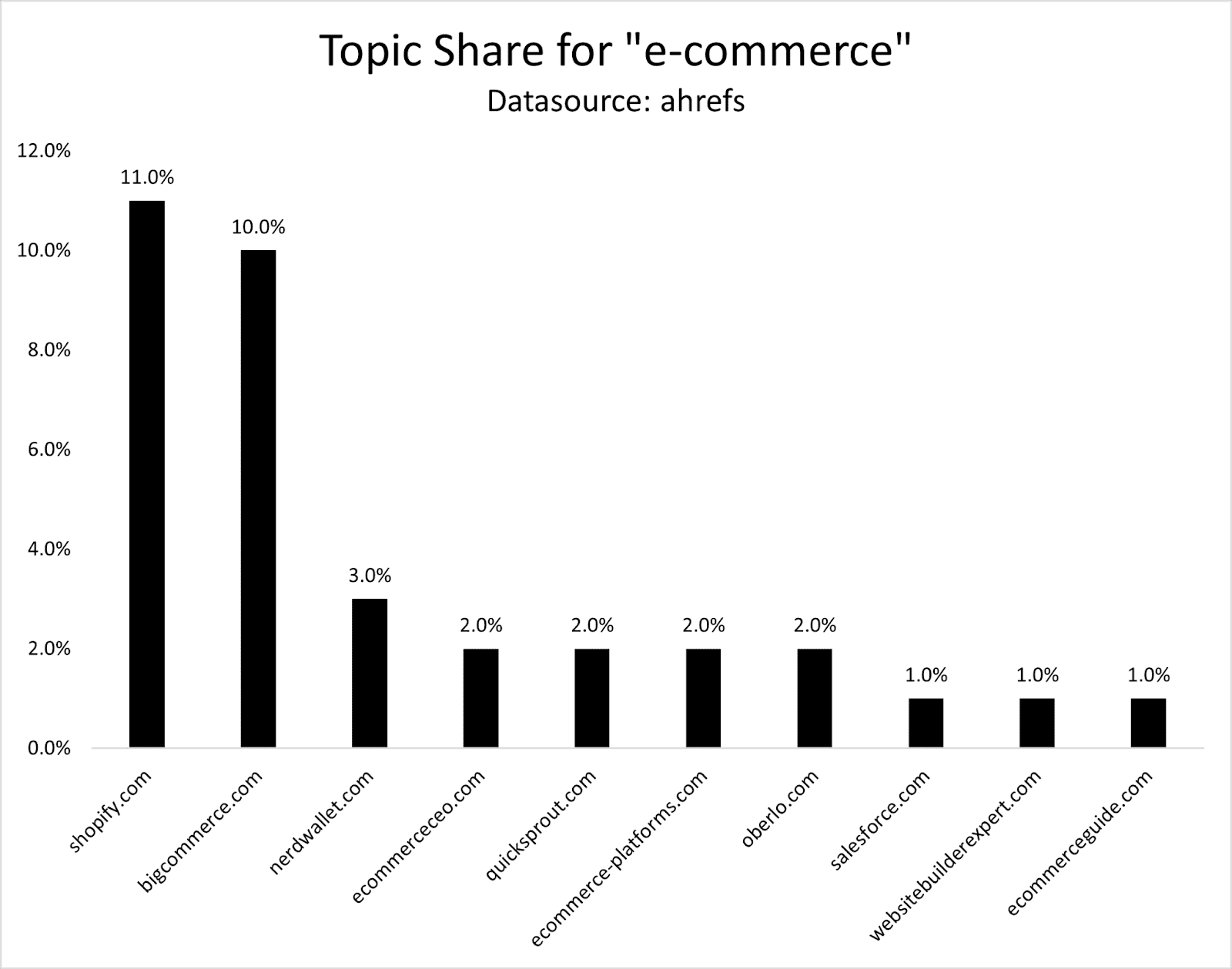
For “ecommerce,” I calculated Topic Share based on the top 3,000 keywords by search volume. Shopify is leading with 11% Topic Share, closely followed by Bigcommerce with 10% and Nerdwallet with 3%.
Image Credit: Kevin Indig
Here’s another example with a smaller topic.
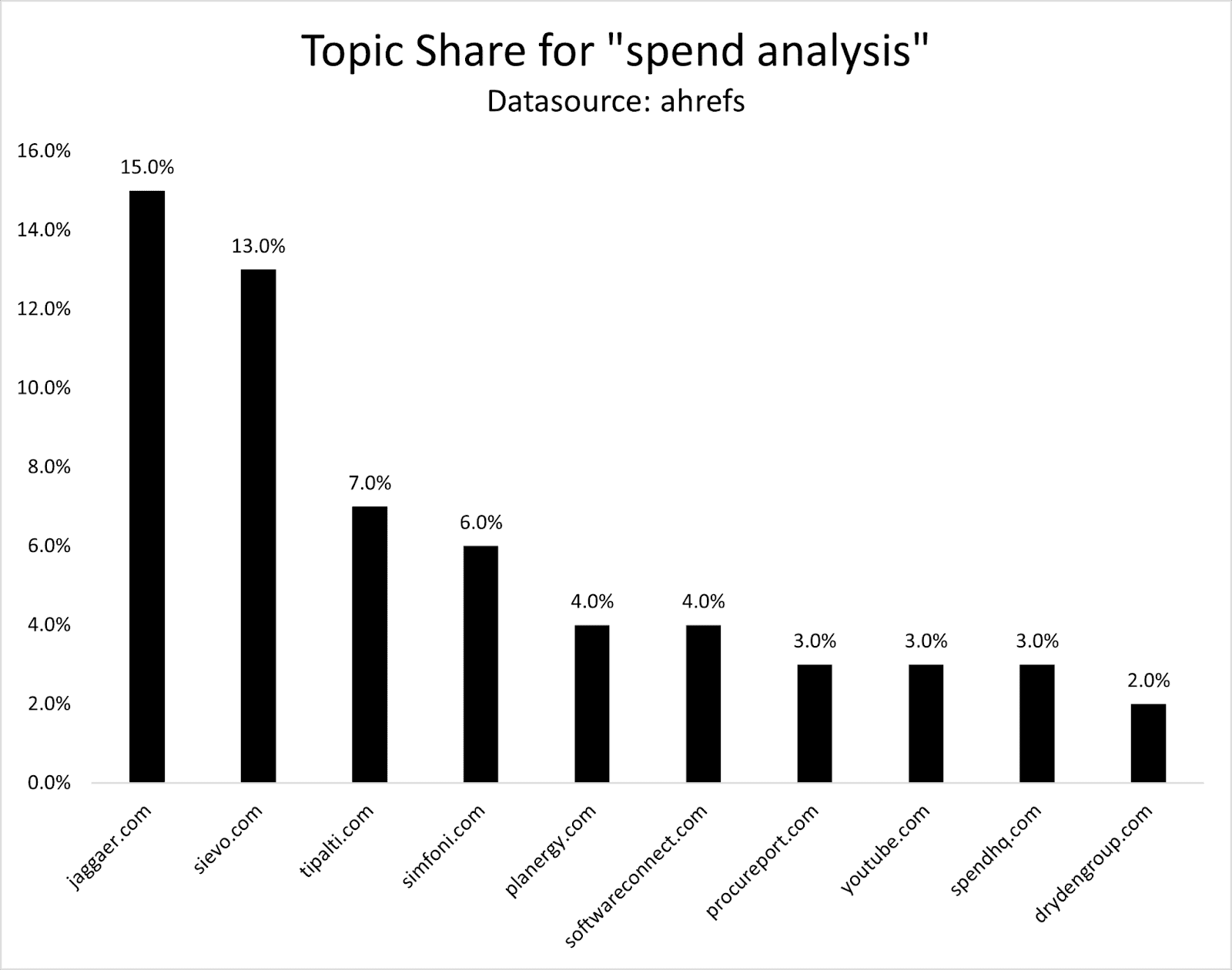
“Spend analysis” has 142 keywords in Ahrefs when I first used this example. Following the same process, jaggaer.com has the highest Topic Share with 15%, Sievo 13%, and Tipalti 7%.
Image Credit: Kevin Indig
To track Topic Share continuously, you could set up a rank tracking project in Ahrefs and monitor traffic share for these keywords. However, for large topics, this might not be cost-efficient.
And if you wanted to do this for multiple topics, you would quickly get into the 100,000s of keywords to track.
The best solution I see is running this analysis once a month and tracking changes manually. (It’s not efficient but practical.)
Example: “Contract Lifecycle Management”
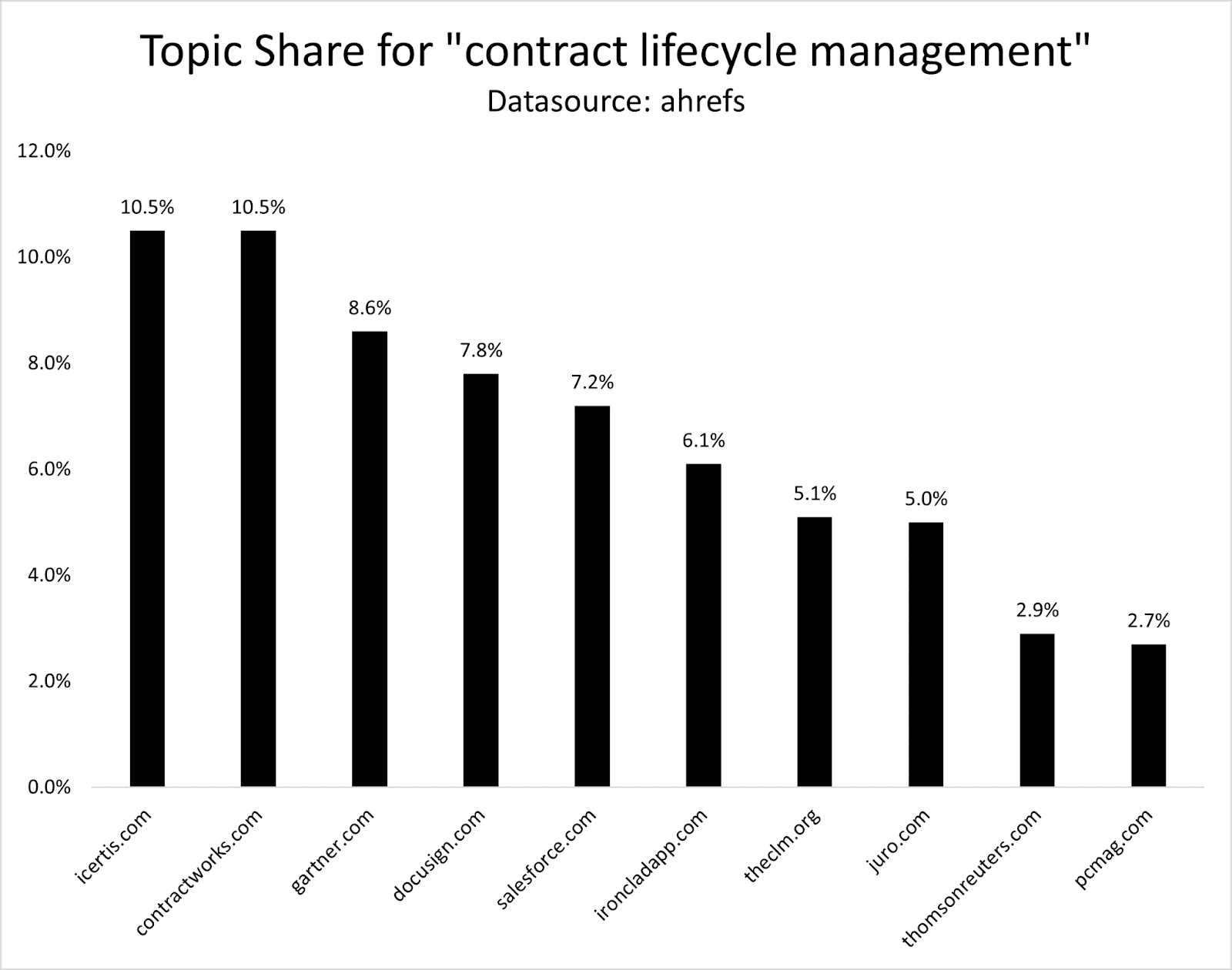
Another example is the topic “contract lifecycle management,” which has ~480 keywords.
Icertis and Contractworks are leading the topic, followed by Gartner, Docusign, Salesforce, and Ironclad.
Image Credit: Kevin Indig
If this process is so manual, is it worth the work to measure it every month?
In some cases, yes. If you need to demonstrate to your stakeholders in a practical way whether or not resources and investment into building topical authority are working, then you should measure it.
And what if you need to prove to stakeholders that you need to invest in topic X instead of topic Y for quicker SEO gains?
By scoring how well you currently cover each subtopic, you can identify the core topics Google already finds you an authority in.
Because putting resources in that specific topic will likely move the needle most and could have the quickest SEO ROI.
If you’re in a major growth push into a new topic area (based on a new service, product feature, etc.), it’s valuable to track and measure topical authority to understand how you’re progressing in Topic Share, based on who your competitors are, and what it takes to develop topical authority in your niche.
But if you commit to monitoring it over time, you can also correlate your topic share to your tracking for AIO and LLM visibility.
Find out what topics overlap and why. Discover what topics Google finds you an authority in, while LLMs don’t.
1. Content Breadth & Depth Essentially, how many pages (quantity) or target queries/subtopics does your site have within a topic, and how good are they (quality)?
This is your content library’s comprehensiveness and utility. Thoroughly explore every facet of your target topic: definitions, use cases, common questions, and related subtopics.
Comprehensive, well‑structured content shows both users and search engines that you’re the go‑to resource on your targeted topics and is actually adding to the overall topical conversation, rather than a site that only skims the surface.
Use entity‑based tactics or AI‑powered similarity scores to ensure you’re covering the concepts and questions Google associates with your topic.
2. Smart Internal Linking
Internal links are signals for the relationship between articles about a topic.
Optimizing the anchor text, context, and number of internal links sends stronger signals to Google and helps users find what they’re looking for.
3. Topically Relevant Backlinks And Mentions
Backlinks provide another confidence layer for Google that your content is good and relevant for a specific topic.
Aim for backlinks and mentions from trusted sites in adjacent categories.
Getting mentioned or linked in the Wall Street Journal’s retail section (www.wsj.com/business/retail) is more valuable for Shopify than Salesforce, for example.
4. Prune Content
I did a deep dive on IBM and Progressive, two organizations that are winning the SEO game in competitive topics. Both sites went through massive pruning efforts to improve domain authority.
And in SEOzempic, I showcased where DoorDash actually lost organic traffic by multiplying pages. Topical authority is all about hyperfocusing on the topics that are most relevant to your business, not having the most pages.
All of these businesses saw their organic traffic roar after pruning topically irrelevant content – in some cases, even high-quality content that just wasn’t a good fit for the domain (like Progressive’s agent pages).
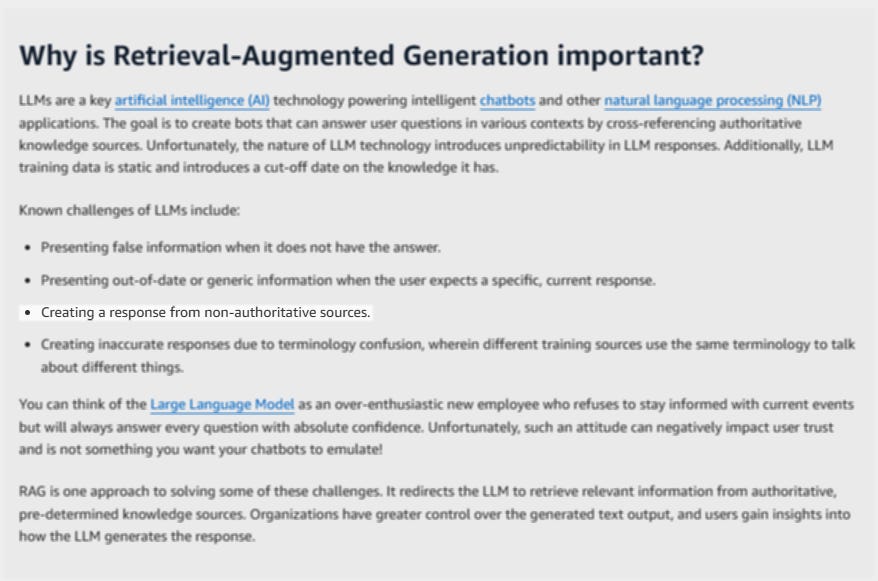
Retrieval-augmented generation (RAG) – the grounding mechanism behind OpenAI’s, Google’s, Meta’s and others’ LLMs – explicitly ranks external documents for authority before passing them to the model to ground its answer.
Their technical notes stress pulling “current and authoritative sources” to reduce hallucination.
But it’s not just AIOs. The top 10% of most visible content in ChatGPT and other LLMs also rewards comprehensive content that matches the ideal profile of high authority.
Paid subscribers: I’m releasing a topical authority workflow for you soon (anticipated next month!). Not a paid subscriber yet? Don’t miss this! Upgrade here.
Topical Authority Predictions For The Future Of SEO
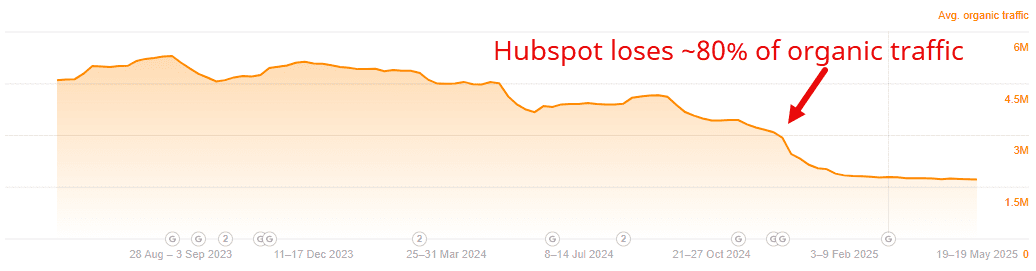
As we’ve seen in the example of HubSpot and other sites, straying away too far from your core topics is a serious SEO risk.
More context: https://surferseo.com/blog/hubspot-traffic-drop/
I call this “overclustering.” Essentially, overclustering is when topic clusters unrelated to your core offerings may dilute your brand if you stretch into tangential topics and subtopics. The next core update could cut a significant chunk of your traffic.
However, major authoritative brands will continue to dominate, despite the fact that their brand isn’t an authority on every topic – and possibly even for niche queries – due to entrenched domain-level trust. The most prominent examples are Forbes and LinkedIn.
A hidden opportunity exists in AI Overview citations, which sometimes surface smaller sites with strong topical authority on a very specific subtopic or a piece of content with a unique perspective, making it crucial to maintain deep coverage in your niche to get “picked” by AIO algorithms.
Human signals rebound: As AI content saturates the web, Google may place renewed emphasis on behavioral metrics (CTR, dwell time, return visits) to distinguish genuinely authoritative sources from AI‑built noise.
We know that humans prefer answers from other humans as a way to balance AI answers from the usability study I published last week.
How To Approach Topical Authority As An SEO In A Volatile Search Landscape
I think, at the core, there are two questions you need to ask about your brand:
1. Credibility: Are we “credible” enough to target this topic? Do we already have enough depth, expertise, and context?
2. Growth: What’s our roadmap for expanding that authority over time, especially as AI‑generated content and LLM snippets flood the SERP?
As a new way of searching takes over (and as AI continues to flood the web with consensus content), search engines will lean harder on authentic, useful, and authoritative sources.
True topical authority isn’t about checking boxes. It’s about earning the perception of being an authority in a space from humans and algorithms alike.
Boost your skills with Growth Memo’s weekly expert insights. Subscribe for free!
Remember when “Just Google it” was the solution to all your search needs? Unfortunately, those days are changing fast.
While Google remains the king of search, the ground beneath its feet is shifting as brands, marketers, and end users are noticing that there are some new sheriffs in town.
The search ecosystem that puts all your eggs in the Google basket might not be a wise move anymore.
Today’s search landscape isn’t just about algorithm updates and being visible on Google. It’s about recognizing that your audience exists across multiple touchpoints from traditional search engines, i.e., from Bing and Google to AI chatbots, from social platforms to specialized marketplaces like Amazon, etc.
The businesses that thrive won’t be the ones waiting to see what happens; they will be the pioneers already establishing a strong presence across this expanding universe of search.
Google Still Dominates, But It Is Being Challenged
Google is facing some competition.
StatCounter shows Google’s global search share dropped below 90% and remained there throughout the last quarter of 2024, marking the first such decline in nearly a decade.
This shift coincides with significant legal headwinds.
In 2025, Google faces multiple antitrust challenges, with a judge recently finding that Google has a monopoly in search and has acted to maintain it.
These legal troubles might cause Google to change its business practices and may have an impact on its market dominance, allowing other social and AI platforms to capture more of Google’s market share.
This does not mean that Google is going down; it just signifies that Google is no longer the only game in town, and therefore relying on Google only could be increasingly risky.
For example, if you’re an ecommerce retailer that generates 60-80% of your traffic from Google and your site experiences a temporary drop in visibility during a core update for creating AI content, you would be in big trouble.
If your marketing strategy does not have any alternative traffic sources, your revenue could potentially decrease by 40% or more in a matter of weeks.
Meanwhile, if your competitors have diversified their digital presence across multiple platforms, including AI shopping assistants and social commerce channels, they might experience only minor fluctuations in their traffic and sales.
It’s An Omnichannel World
Your audience does not think in terms of platforms; they think in terms of their needs.
For example, a user might ask ChatGPT for information on sustainable materials, browse Instagram for some home design inspiration, check Amazon for product comparisons, and then Google specific brands before making a purchase.
This changing customer journey means that businesses must be acutely aware of where their traffic originates and how much traffic comes from various sources.
The days of relying on and checking only your Google Analytics for Google traffic are over.
In order to succeed, you must have a holistic view of your visibility across the entire digital landscape.
For example, my friend Claudia has an outdated kitchen and is looking to get a new one after 20 years of living in her home with her family.
Here is what Claudia’s journey looked like in this new ecosystem:
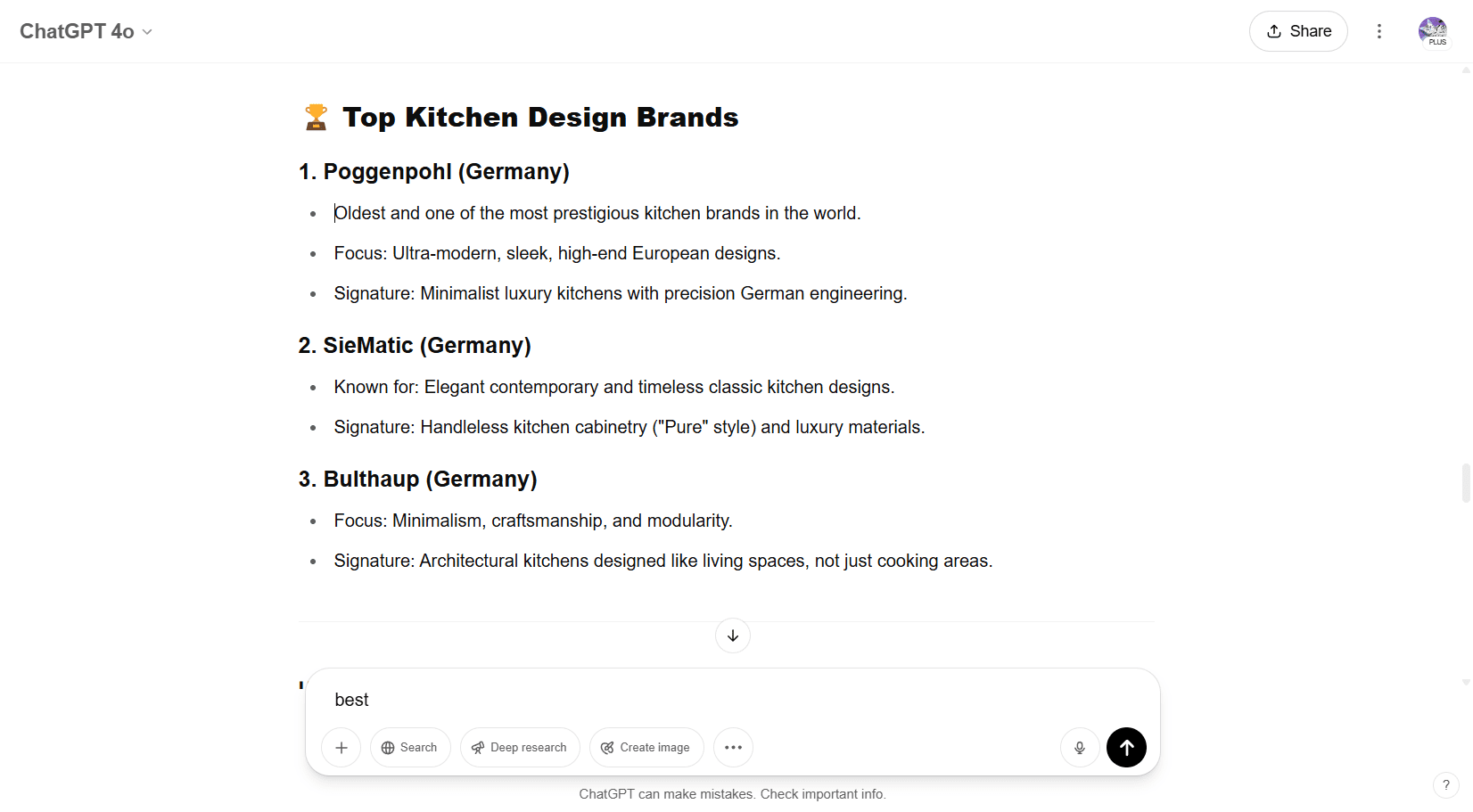
Claudia started out by going to ChatGPT and typing in “best kitchen design brands,” and found some information mentioning several designer brands.
Since the intent behind kitchen design is image-based, Claudia then searches on Pinterest for visual inspiration, and saves some images from the designer brands that she found in ChatGPT.
Claudia then looks to Reddit to gather feedback about specific brands and learn from others’ experiences.
She checks YouTube for installation tutorials but decides she needs a professional.
Claudia then Googles local contractors with high ratings and reviews, contacts one of them, and gets a quote.
Screenshot from ChatGPT, April 2025
Now, if you’re a business that is only focused on Google, guess what? You would not gain Claudia and other clients because you would miss multiple touchpoints in their user journey, as she searched on different channels and platforms. You must have content that enforces your brand at every stage.
Don’t Fall Behind
The time is now to adopt an omnichannel strategy, stay ahead of trends, experiment with different platforms, and maintain a strong performance on established channels like Google so we won’t be left behind.
Imagine if the following scenarios were to occur; what would happen to your business?
A loss of 30% of your traffic overnight.
You’re not finding where your customers are spending time before they make purchase decisions.
You’re not visible on ChatGPT, Bing, YouTube, Reddit, etc.
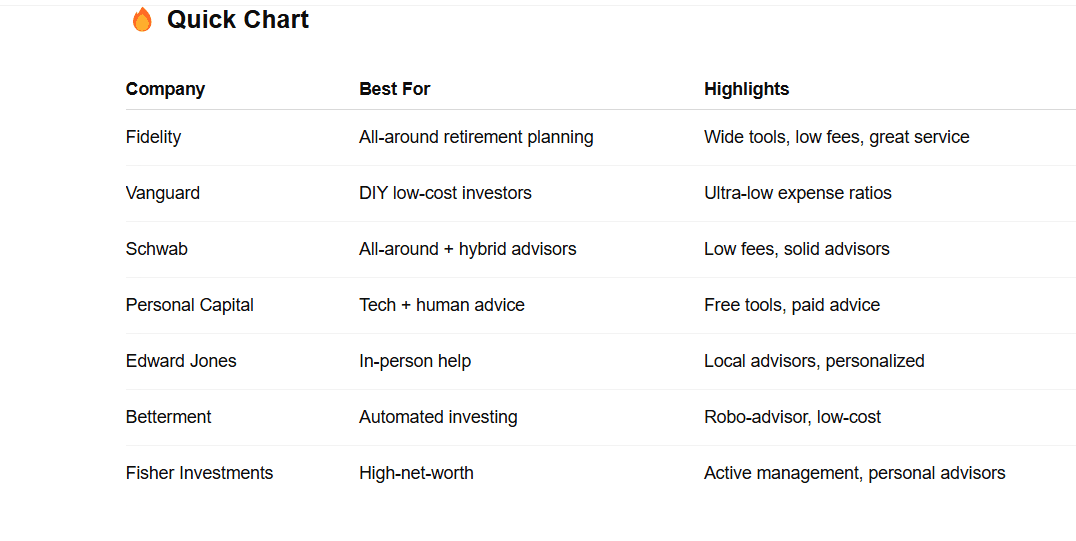
One of the brands I consulted with in the financial industry noticed that searches about retirement planning were being asked for on AI platforms and in Google.
We created a comprehensive, citation-rich content strategy that got them mentioned in some major financial publications.
When users searched for retirement planning in ChatGPT, their brand was mentioned as a source, which drove leads and conversions.
Screenshot from ChatGPT, April 2025
AI Works Differently Than Traditional Search
AI chatbots like ChatGPT don’t work like Google’s algorithm. They don’t rank websites; instead, they gather information and identify authoritative sources.
If you want to be visible in ChatGPT, then you need to change your approach.
Being a recognized name in your industry increases your chances of being mentioned.
Being featured across multiple platforms strengthens your authority and increases your visibility in AI chatbots.
Getting referenced by other respected sources helps build trust.
Have clear, conversational, and structured content that AI chatbots can reference and find.
Build trust and credibility through positive reviews and ratings.
ChatGPT and other AI chatbots and platforms look more broadly at the digital ecosystem and get information from Quora, Reddit, social media, forum conversations, and reviews.
AI chatbots also understand long-tail queries in a more nuanced way than traditional search.
It’s All About Balance
People are not running for the hills and abandoning Google.
Google remains the king and is likely to retain its market share leadership for the foreseeable future, but things are changing.
To succeed today, you must implement an omnichannel SEO strategy, maintain a strong Google presence, and be where your audience is.
Continue to:
Wrapping Up
Search engines like Google will continue to evolve, alongside ChatGPT, social platforms, and other search technologies that are expected to emerge in the coming years.
But, the days of relying only on Google as your primary digital marketing channel are behind us.
Brands that are discoverable, credible, and helpful will be successful, wherever your audience seeks information.
Brands that win in 2025 won’t be asking “How do we rank better on Google?” but rather “How do we ensure we are visible on every channel and have content that resonates and answers all our customers’ questions?”
This shift in perspective, from platform-centric to audience-centric, is the true key to sustainable digital success.
The twin forces of disrupted attribution and changing user behavior are reshaping how audiences discover brands.
Google’s mass rollout of AI Overviews and its experimental AI Mode are not surface-level UX tweaks; they represent a fundamental transformation of the search experience – one that compresses the journey from query to answer.
PPC is now a more competitive, constrained, and less predictable environment.
If Google is effectively skipping traditional landing pages in certain query classes, by serving direct answers, the margin for interrupting or influencing a user shrinks dramatically.
If you are not building a brand that people proactively seek out – or that AI systems actively reference – you are playing an increasingly expensive, inefficient game.
Brand Advertising Isn’t Brand Bidding
First, let’s define the terms clearly, as this distinction is often misunderstood in performance marketing circles.
Brand advertising refers to any paid activity designed to build awareness, familiarity, and positive association with your brand.
The primary objective isn’t immediate conversion; it’s to create a demand and a pipeline that your lower-funnel activities can later capture.
By contrast, brand bidding occurs when someone already knows your brand and actively searches for it.
Bidding on your own brand terms in Google Ads or Bing ensures you’re visible when that existing demand materialises – but it’s harvesting, not creating demand.
Brand advertising builds the mental availability that ensures your brand is considered when a user enters a buying journey. Brand bidding simply captures people who were already predisposed to choose you.
Both are important, but confusing the two leads to systemic underinvestment in activities that generate future growth.
In longer buying cycles, particularly in B2B, high-ticket B2C, and considered-purchase categories, persistent brand presence is critical.
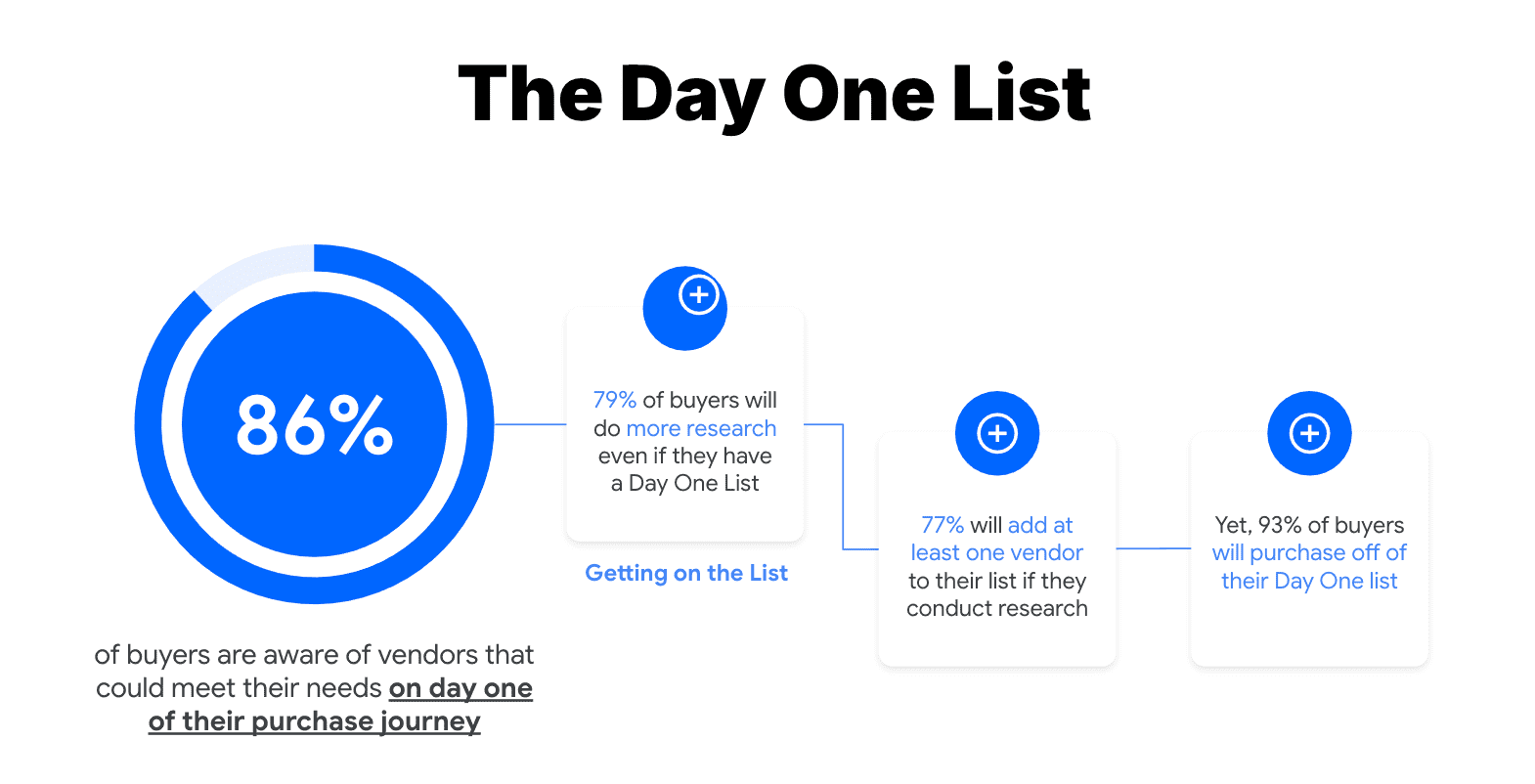
Furthermore, research points to the fact that if you’re not already on someone’s shortlist before they start looking for a solution, you’re unlikely to be chosen vs. those brands who are.
Image from author (research by Google x Bain Consulting), April 2025
When the balance between brand and performance activity is right, each amplifies the other, creating what is called the Multiplier Effect, a virtuous cycle where brand-driven demand lowers cost-per-acquisition (CPA), improves Quality Scores, and enhances overall media efficiency.
The Advertising ‘Doom Loop’
Despite its proven impact, brand advertising remains chronically underfunded in performance-led organisations. Why?
In part, because it doesn’t fit neatly into short-term attribution models. Brand activity often influences outcomes weeks or months later, in ways that are difficult to measure through traditional last-click frameworks.
This measurement gap creates what WARC calls the “Advertising Doom Loop.” Here’s how it unfolds:
Advertisers focus disproportionately on easily measurable performance channels, such as paid search.
Brand-building budgets are cut because they lack immediate, attributable return on investment (ROI) in platforms like Google Analytics 4.
As brand equity erodes, acquisition costs rise and conversion rates fall.
To compensate, advertisers double down on short-term tactics, further starving brand investment.
The cycle repeats, gradually eroding long-term growth potential.
This loop is not theoretical. It’s been observed repeatedly across sectors and is backed by large-scale research studies and documented in a recent WARC study.
The brands that escape the doom loop understand that marketing is interconnected.
Short-term sales activation delivers immediate returns, but brand building provides compound growth over time, lowering customer acquisition costs (CACs), increasing customer loyalty, and insulating against category volatility.
Ignoring brand advertising might look efficient quarter-to-quarter, but over a multi-year horizon, it is a recipe for brand decline.
Why Brand Interest Is Your Most Defensible Asset
In a world of AI-curated answers and zero-click behavior, one channel remains relatively stable: branded search interest.
When a user types your name, your product, or your branded category term into Google, you control the narrative. These searches are:
Cheaper than competitive generic terms.
Higher converting, often by a factor of 2x or more.
Less vulnerable to displacement by AI Overviews, as of current observation (which still reference brand entities prominently).
At Hallam, we’ve seen this play out across multiple paid search accounts.
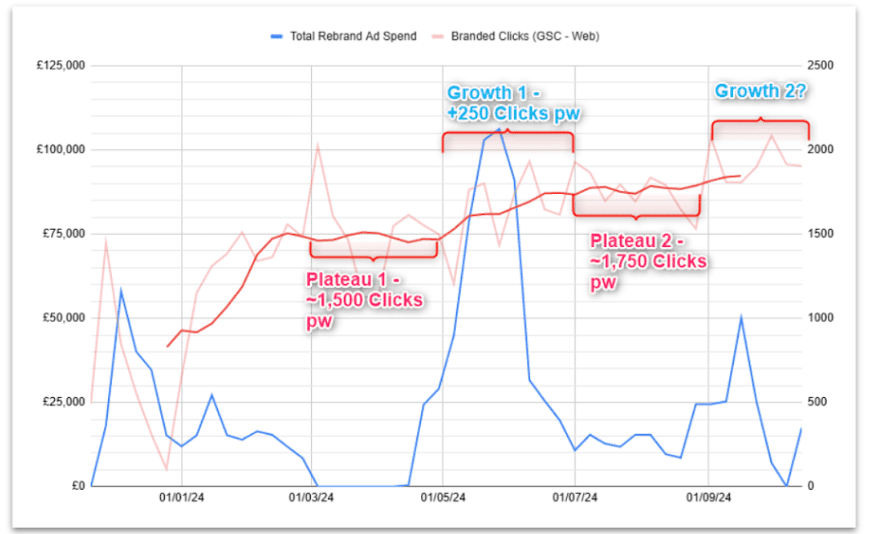
Brands with stronger brand search volumes and higher unaided awareness consistently achieve lower CPAs, better Quality Scores, and more efficient media performance across both search and display.
The impact of running brand advertising campaigns on search demand and clicks for one of our clients (Image from author, April 2025)
This shows the compounding value that brand equity brings to lower-funnel paid media campaigns.
Measurement Solutions
One of the biggest challenges performance marketers face today is how to measure the impact of brand campaigns.
Marketers must treat brand search volume, direct traffic trends, and assisted conversions as leading indicators of paid media effectiveness.
If your top-of-funnel strategy includes YouTube, connected TV, or programmatic display, shifts in these upstream metrics are early signals of success, even before conversions materialize.
For example, metrics that directly track interest in your brand, such as share of search, have been proven to be leading indicators of market share.
Moreover, investment in econometric modeling, brand uplift studies, and incrementality testing will become critical tools for understanding the true impact of marketing spend and providing a holistic view of performance as we move into the future.
When And How To Get Started
If paid search is becoming more competitive and less reliable for visibility, the logical response is to rebalance your media mix, and that starts with brand.
1. Run Paid Media To Uplift Brand Search Volume
Don’t just optimize for direct conversions. Optimize for subsequent branded search. YouTube, connected TV, and upper-funnel Meta campaigns can all drive brand interest that pays off later through more efficient search activity.
Tracking this means looking beyond last-click. Use view-through conversions, uplift studies, and brand search volume trends to measure the impact.
2. Invest In Non-Google Surfaces
A diversified paid media strategy is no longer a nice-to-have; it’s essential. That includes:
YouTube Shorts and creator content to build brand relevance.
Programmatic display and native ads on publisher sites may support discoverability
Paid partnerships and sponsorships that build reputation across the web.
These touchpoints feed awareness, and could also contribute to the knowledge graph and large language models (LLMs).
3. Align PPC With SEO To Influence AI Outputs
Yes, SEO still plays a role, but performance marketers should work alongside organic teams to ensure:
Branded pages are structured correctly for AI inclusion.
Top-performing PPC assets (e.g., headlines, product descriptions) are reflected in organic content.
Messaging consistency across paid and organic channels supports brand memorability.
Final Thoughts
Clicks are now harder to win. Impressions are becoming more expensive. And digital attribution data is increasingly unreliable.
In this environment, the brands that thrive will be the ones that people search for by name, that AI references unprompted, and that exist in the user’s mind long before they type anything at all.
That doesn’t happen by accident. It happens when paid media stops acting like a demand-harvesting function and starts behaving like a brand growth engine.