This sponsored session was presented by Ford Pro at MIT Technology Review’s 2024 EmTech MIT event.
A decarbonized transportation system is a necessary pre-requisite for a sustainable economy. In the transportation industry, the road to electrification and greater technology adoption can also increase business bottom lines and reduce downstream costs to tax payers. Focusing on early adopters such as first responders, local municipalities, and small business owners, we’ll discuss common misconceptions, barriers to adoption, implementation strategies, and how these insights carry over into wide-spread adoption of emerging technology and electric vehicles.
About the speaker
Wanda Young, Global Chief Marketing & Experience Officer, Ford Pro
Wanda Young is a visionary brand marketer and digital transformation expert who thrives at the intersection of brand, digital, technology, and data; paired with a deep understanding of the consumer mindset. She gained her experience working for the largest brands in retail, sports & entertainment, consumer products, and electronics. She is a successful brand marketer and change agent that organizations seek to drive digital and data transformation – a Chief Experience Officer years before the title was invented. In her roles managing multiple notable brands, including Samsung, Disney, ESPN, Walmart, Alltel, and Acxiom, she developed knowledge of the interconnectedness of brand, digital, and data; of the importance of customer experience across all touchpoints; the power of data and localization; and the in-the-trenches accountability to drive outcomes. Now at Ford Pro, the Commercial Division of Ford Motor Company, she is focused on helping grow the newly-launched division and brand which only Ford can offer commercial customers – an integrated lineup of vehicles and services designed to meet the needs of all businesses to keep their productivity on pace to drive growth.
Young enjoyed a series of firsts in her career, including launching ESPN+, developing Walmart’s first social media presence and building 5000 of their local Facebook pages (which are still live today and continue to scale), developing the first weather-triggered ad product with The Weather Company, designing an ad product with Google called Local Inventory Ads, being part of team who took Alltel Wireless private (which later sold to Verizon Wireless), launching the Acxiom.com website on her first Mother’s Day with her daughter on her lap. She serves on the board of or is involved in a number of industry memberships and has been the recipient of many prestigious awards. Young received a Bachelor of Arts in English with a minor in Advertising from the University of Arkansas.
This sponsored session was presented by MEDC at MIT Technology Review’s 2024 EmTech MIT event.
Michigan is at the forefront of the clean energy transition, setting an example in mobility and automotive innovation. Other states and organizations can learn from Michigan’s approach to public-private partnerships, actionable climate plans, and business-government alignment. Progressive climate policies are not only crucial for sustainability but also for attracting talent in today’s competitive job market.
As Chief Growth & Marketing Officer, Hilary Doe leads the state’s efforts to grow Michigan’s population, economy, and reputation as the best place to live, work, raise a family, and start a business. Hilary works alongside the Growing Michigan Together Council on a once-in-a-generation effort to grow Michigan’s population, boost economic growth, and make Michigan the place everyone wants to call home.
Hilary is a dynamic leader in nonprofits, technology, strategy, and public policy. She served as the national director at the Roosevelt Network, where she built and led an organization engaging thousands of young people in civic engagement and social change programming at chapters nationwide, which ultimately earned the organization recognition as a recipient of the MacArthur Award for Creative and Effective Institutions. She also served as Vice President of the Roosevelt Institute, where she oversaw strategy and expanded the Institute’s Four Freedoms Center, with the goal of empowering communities and reducing inequality alongside the greatest economists of our generations. Most recently, she served as President and Chief Strategy Officer at Nationbuilder, working to equip the world’s leaders with software to grow their movements, businesses, and organizations, while spreading democracy.
Hilary is a graduate of the University of Michigan’s Honors College and Ford School of Public Policy, a Detroit resident, and proud Michigander.
Charm is a U.S.-based data platform providing retailers, sales teams, and investors with in-depth analytics on direct-to-consumer brands. Charm’s staff has collaborated with ex-ByteDance employees to collect publicly available U.S. TikTok Shop data across various categories from its launch in September 2023 to September 2024.
Notably, “Beauty & Personal Care” dominates, generating over $1 billion in revenue. “Womenswear” follows with $621 million, showing that fashion is another leading sector.
–
The data also shows an upward trend in U.S. TikTok Shop’s monthly sales from its launch in September 2023 through mid-September 2024, indicating strong early adoption and consistent growth. Revenue peaked in July 2024 at over $600 million.
–
In addition, the top five products by revenue on U.S. TikTok Shop reveal a strong consumer interest in health and wellness: “15 Day Cleanse” (gut and colon support) with $39.7 million in revenue, followed by “Multi Collagen Peptides Powder” (anti-aging complex, $26.4 million), “BetterAlt Himalayan Shilajit Resin” (nutritional supplement, $20.3 million), “MultiMineral Sea Moss” (nutritional supplement, $20.1 million), and “GuruNanda Cocomint Pulling Oil” (teeth whitener, $19.4 million).
–
Furthermore, prerecorded video was the top sales channel on U.S. TikTok Shop at $2.5 billion.
In a landmark antitrust case, the U.S. Department of Justice (DOJ) has outlined potential remedies to address Google’s monopoly in search and search advertising.
While “breaking up Google” is a popular headline phrase, the reality is more nuanced.
This article clarifies the DOJ’s proposals, Google’s response, and what it all could mean for the future of search.
The DOJ’s Case & Proposed Remedies
The DOJ’s argument centers on Google’s alleged abuse of its position in search and search advertising.
According to the court’s ruling in August, Google has illegally maintained monopolies in these areas for over a decade.
The DOJ’s proposed remedies aim to address four key areas:
1. Search Distribution & Revenue Sharing
Limiting or prohibiting Google’s exclusive search distribution deals
Ending or modifying revenue-sharing agreements that incentivize partners to use Google search
Potentially implementing choice screens to allow users to select their default search engine
2. Accumulation & Use of Data
Requiring Google to share its search index, data feeds, and models with competitors
Prohibiting Google from using data that can’t be shared due to privacy concerns
Reducing barriers for rivals to index and retain search data
3. Generation & Display of Search Results
Addressing Google’s leverage in emerging areas like AI-assisted search
Allowing websites to opt out of Google’s AI training or features
Ensuring fair access to web content for rival search engines
4. Advertising Scale & Monetization
Creating more competition in search advertising
Potentially requiring Google to license or syndicate its ad feed independently of search results
Increasing transparency in ad auctions and monetization
As it relates to data sharing. The DOJ filing states:
“Plaintiffs are considering remedies that will offset this advantage and strengthen competition by requiring, among other things, Google to make available, in whole or through an API, (1) the indexes, data, feeds, and models used for Google search, including those used in AI-assisted search features, and (2) Google search results, features, and ads, including the underlying ranking signals, especially on mobile.”
Google’s Response & Concerns
Google has vehemently opposed these proposals, arguing that they go beyond the scope of the case and could harm innovation and user experience.
The company’s key points include:
The proposals risk user privacy and security by forcing data sharing
Breaking up products like Chrome or Android could disrupt many businesses and developers
Changes to the ad market could make online ads less valuable for publishers and merchants
Restrictions on search promotion could create friction for users and harm Google’s partners
Google plans to appeal the ruling and argues that search competition is thriving, especially with the emergence of AI-powered alternatives.
Kent Walker, Google’s president of global affairs, stated:
“This decision recognizes that Google offers the best search engine, but concludes that we shouldn’t be allowed to make it easily available.”
Lee-Anne Mulholland, Google’s vice president of regulatory affairs, wrote in a blog post:
“The government seems to be pursuing a sweeping agenda that will impact numerous industries and products, with significant unintended consequences for consumers, businesses, and American competitiveness.”
Potentially different search experiences as new players enter the market
Counterpoint: Users may need to get used to new search UIs or algorithms.
Increased privacy controls as data practices are scrutinized
Counterpoint: Increased data sharing raises privacy concerns across platforms.
Possible changes in ad targeting and relevance
Implications For Businesses
For businesses and marketers, the impact could include:
A more diverse search ecosystem to optimize for
Counterpoint: Managing SEO and PPC across multiple engines could be more challenging.
New advertising platforms and models
Counterpoint: New tools, training, or staff may be needed.
Potential shifts in the value and cost of search advertising
Counterpoint: A fragmented ad market might increase spend for the same reach.
The AI Factor & Future of Search
The DOJ’s proposals address emerging technologies like AI, recognizing its growing importance in search.
This could have the following implications:
Lowering barriers for new entrants to compete in AI-driven search
Potentially fragmenting the development of search AI across multiple companies
Changes in how search results are generated and displayed, including AI-powered features
The filing notes:
“Google’s ability to leverage its monopoly power to feed artificial intelligence features is an emerging barrier to competition and risks further entrenching Google’s dominance.”
Industry-wide Impact
The case has implications beyond just Google:
Other tech giants may face increased scrutiny and similar antitrust actions
The broader tech industry may see shifts in how platform businesses operate
Venture capital and innovation in search-related technologies could see a resurgence
Legal & Regulatory Landscape
This case is part of a broader trend of increased antitrust scrutiny of tech giants:
Similar cases are proceeding against other major tech companies
The outcome could influence future tech regulation globally
It may set precedents for how monopolies are defined and addressed in the digital age
Looking Ahead
The DOJ’s current proposals are preliminary, with more detailed remedies expected in November and March.
The case will likely face appeals and could take years to resolve fully.
As stated in the filing:
“Plaintiffs will continue to engage with market participants, conduct discovery, and ultimately, provide the Court with a further refined Proposed Final Judgement in November 2024 and then, in accordance with the Court’s Order, a Revised Proposed Final Judgment in March 2025.”
Key questions for the future include:
How will the balance between competition and innovation be struck?
Can breaking up or restricting Google lead to more search competition?
How will these changes affect the global competitiveness of U.S. tech companies?
For search professionals, marketers, and businesses relying on search, staying informed and adaptable will be vital.
As this case progresses, it will undoubtedly shape the future of search, digital advertising, and the broader tech industry.
Whether these changes will truly “break up” Google or simply reshape its role in the digital ecosystem remains to be seen, but the impact will likely be felt for years to come.
Google responded to the U.S. Department of Justice (DOJ) antitrust proposals for breaking up the company to address its dominance in search and online advertising, asserting that the remedies will harm user security, raise costs for consumers across industries, and stifle AI innovation.
Google’s response presented three arguments on why the DOJ proposals may backfire on consumers and disrupt innovation across industries. They also made two points about search and advertising that challenge widely held opinions.
Three Reasons Why DOJ Proposals May Harm Innovation
Google makes three arguments about the DOJ proposals hat outline how they might cause harm to consumers and lead to a decrease in innovation.
1. Privacy And Security Risks
One of the DOJ’s proposals is for Google to share its search query, click and search data with competitors. Google’s response asserts that sharing that information with competitors will create a privacy and security risks for users because search queries can contain sensitive and highly personal information that could compromise users security by increasing the likelihood that bad actors can access the information.
Google’s response cited a New York Times article from 2006 that documents how a data breach at AOL showed how a user’s search data reveals personal data despite that their actual identities are hidden. The reporters were able to use search queries to track down a 62 year old widow in Georgia.
“It did not take much investigating to follow that data trail to Thelma Arnold, a 62-year-old widow who lives in Lilburn, Ga., frequently researches her friends’ medical ailments and loves her three dogs. “Those are my searches,” she said, after a reporter read part of the list to her.
AOL removed the search data from its site over the weekend and apologized for its release, saying it was an unauthorized move by a team that had hoped it would benefit academic researchers.”
2. Risk Of Stifling AI Innovation
The current boom in AI is largely due to many of Google’s discoveries that were subsequently open sourced, none more profound than transformer technology which was invented and open sourced in 2017. By open-sourcing this innovation, Google laid the foundation for generative AI models like ChatGPT and many other AI applications that rely on transformers today.
Google claims that the remedies the DOJ seeks will “hold back” innovation because the industry itself is at its infancy, is highly competitive and there are no monopolies needing a remedy to fix.
The response asserts:
“There are enormous risks to the government putting its thumb on the scale of this vital industry — skewing investment, distorting incentives, hobbling emerging business models — all at precisely the moment that we need to encourage investment, new business models, and American technological leadership.”
3. DOJ Proposals Will Negatively Impact Many Industries
Google has invested billions of dollars to create, maintain and improve both Android and Chrome and open source the technology, allowing multiple industries and businesses to grow around both technologies.
Android is an open source operating system for mobile phones that has become the global leader because it’s open source and allows mobile phone technology to become accessible to billions around the world at reasonable prices. Chrome browser is another open source technology that serves as the foundation for other competing browsers.
Both Android and Chrome underpin multiple technologies and industries from televisions, fitness devices, automobile devices, laptops and app ecosystems.
Google claims that the DOJ’s proposal to split Android from Google would cause a decrease in investment in the technology and raise the cost of all the devices that currently depend on Android and Chrome.
Two Claims That Challenge Assumptions About Search And PPC
Google defends its dominance in advertising and search by making claims that may contradict commonly held assumptions and challenge businesses to rethink what a disruption in both.
1. Restrictions On Search Distribution
Google challenges restrictions on partnerships with other platforms that allow Google Search to be the default search engine. Google claims that these restrictions are overbroad and may result in less income for open source innovators like Mozilla and cause an increase in costs to consumers for products like mobile phones.
2. Proposals For Online Advertising Will Harm Consumers And Businesses
Google claims that changes to their online advertising business will make it less useful for businesses and ultimately negatively impact consumers. They also claim that changes to the current system will negatively impact small publishers.
They write:
“Google’s innovative ads system has leveled the playing field for small businesses and publishers. Small advertisers can reach customers the same way as large ones do — with no minimum spend and no upfront commitments. And this ads system helps small websites earn revenue from online advertising, just like large publishers.”
Both claims challenge many popularly held assumptions about Google’s dominance in search and online advertising.
Google At A Crossroad
The DOJ is presenting remedies for what they claim are monopolistic practices that have harmed competition. Google rebuts those claims by offering examples of how their innovations have created opportunities to grow new industries, create competition and decrease costs for consumers.
Over the years, Shopify has become a leading platform for entrepreneurs looking to tap into the dropshipping model. This approach allows sellers to offer a wide range of products without the hassle of managing inventory or logistics. Understanding how to use SEO effectively is crucial if you want to fully take advantage of the opportunities dropshipping with Shopify provides.
Table of contents
Understanding dropshipping on Shopify
Dropshipping is a distinct way for sellers to approach ecommerce. Dropshipping helps you start and scale an online retail business with minimal financial risk by eliminating the need for inventory management and upfront product investments.
What is dropshipping?
Dropshipping is a fulfillment method where a seller operates an online storefront without holding any physical inventory. Instead, the seller partners with third-party suppliers who manage inventory and logistics, shipping products directly to the end customer. This business model minimizes upfront costs and overhead, enabling you to offer a wide array of products and swiftly adapt to market trends. However, success in dropshipping hinges on strategic supplier relationships, effective digital marketing, and exceptional customer service to meet consumer expectations.
Key benefits of dropshipping
It’s very easy to build an online business based on dropshipping. It doesn’t cost that much to get started. Since there’s no need to purchase inventory upfront, you can start your businesses with less capital.
This business offers great flexibility and scalability. With no physical inventory, you can easily add or remove products and scale your business according to demand. The same goes for the choice of products. Access to huge numbers of products from suppliers worldwide allows you to diversify your offerings and cater to customer needs.
Last but not least, it doesn’t matter where you are located. You can manage your online business from anywhere worldwide with an internet connection.
The ethics of dropshipping
Dropshipping can sometimes raise questions about ethics, especially as more people care about sustainability and fair treatment. As a dropshipper, you can positively impact by choosing suppliers who treat their workers well and use environmentally friendly materials. This means offering products made under fair conditions and that don’t harm the environment. Being clear about your commitment to these values can help you earn the trust of customers who care about making responsible choices.
Sustainable packaging and efficient shipping methods can further show your dedication to protecting our planet. Focusing on ethical practices and following rules and regulations helps you build a business that thrives and supports the well-being of people and the environment.
You can build a successful dropshipping business, but it often requires more dedication and effort than many initially expected. Although dropshipping takes out the logistics part, the other challenges of launching and running an ecommerce business remain. As the owner, you’re tasked with handling returns, managing repair or warranty issues, responding to customer inquiries, and ensuring your products are both high quality and legally compliant. These are the kind of responsibilities many frequently underestimate.
Why choose Shopify for dropshipping?
Shopify is a flexible and user-friendly ecommerce platform that makes the dropshipping process easier. It offers seamless integration with various dropshipping apps, allowing sellers to easily add products to their stores. Shopify’s expansive ecosystem supports everything from payment processing to marketing, making it an ideal choice for dropshippers of all experience levels. With Shopify, you can start a dropshipping business with minimal investment.
Even some multi-million dollar companies have started as a dropshipping business, like Gymshark
How to start dropshipping on Shopify
Select a niche that aligns with your interests and market demand to start dropshipping with Shopify. Research potential products and reliable suppliers using Shopify’s app store to find tools for product selection and order fulfillment.
Once your store is set up, create an engaging user experience and optimize your product listings. Effective marketing strategies should also be implemented to attract and retain customers.
Choosing Shopify as your dropshipping platform gives you access to a powerful toolset. These tools help you simplify your operations and enhance your business’s growth potential. Whether starting from scratch or looking to scale an existing venture, Shopify gives you the flexibility and support you need to thrive in ecommerce.
A quick start guide on how to drop ship on Shopify
Starting a dropshipping business on Shopify is straightforward. Here’s a step-by-step guide to get you started:
Create a Shopify account. Go to Shopify’s website and sign up for a free trial. Once you’re ready to launch, choose a pricing plan that suits your business needs.
Select a niche and products. Research potential niche markets that interest you and have demand. Use tools like Google Trends and market research to select products that appeal to your target audience.
Find reliable suppliers: Use Shopify’s app store to find dropshipping apps like Zendrop or Spocket to source products. Choose suppliers known for quality products and reliable shipping.
Set up your Shopify store. Customize your store with a memorable name and logo. Use Shopify’s themes to design your storefront and create a seamless shopping experience.
Add products to your store. Import products from your dropshipping app to your Shopify store. Write detailed product descriptions and set competitive pricing.
Configure payment and shipping settings. Set up payment gateways like PayPal or Shopify Payments and determine shipping rates and options that suit your business model.
Launch your store. Review all settings and ensure everything functions smoothly. Publish your store and start marketing to attract customers.
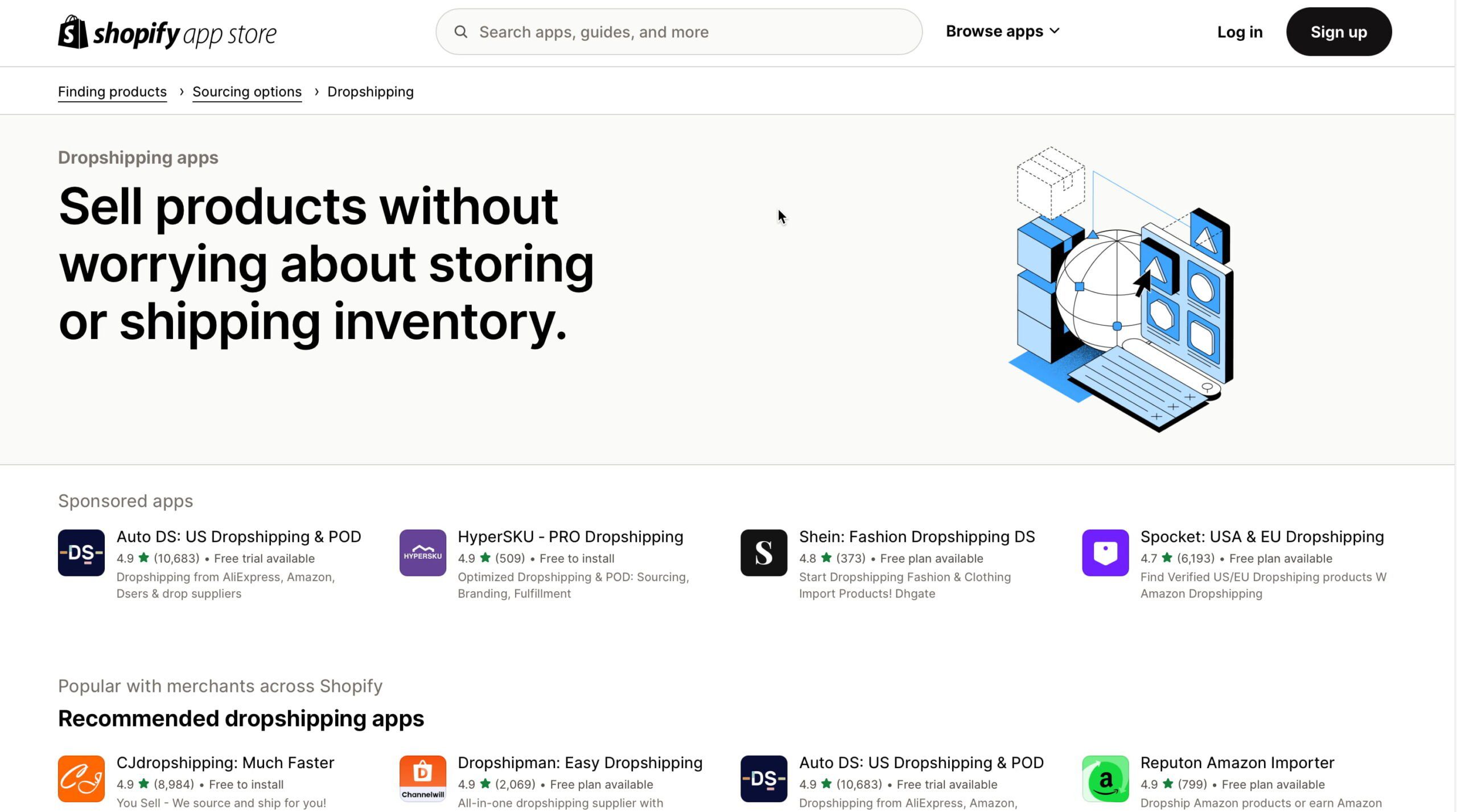
Shopify supports a ton of dropshipping platforms
SEO is key for Shopify dropshipping success
If you are in the dropshipping business, you are probably not alone. Even if you have picked a good niche, there’s still competition. To get traffic and potential customers, you need SEO (Search Engine Optimization). Shopify SEO is crucial for the success of any dropshipping store.
With SEO, you optimize your online store to improve its visibility in search engine results. The goal is to attract organic traffic without relying heavily on paid advertising. If you implement these SEO strategies well, you can significantly enhance visibility, drive traffic, and increase sales for your store.
SEO strategies for Shopify dropshipping
SEO for drop shippers is not that different from other types of ecommerce SEO. The main goals are getting your site structured properly, well-optimized in terms of performance, and filled with excellent, well-researched, and targeted content. This will help Google find, index, and rank your products.
But remember that getting Google to index and rank brand-new websites is harder than ever. Getting Google to see your site positively takes a lot of work. It will take quite a while before every one of your products is indexed—if that even happens. Be sure to set up a Search Console account to see your store’s indexing status and use the feedback provided to improve your store.
Last but not least, you should always monitor what you are doing. Analyze your SEO performance using tools like Google Analytics and Shopify Analytics. Monitor key metrics such as organic traffic, engagement, and conversion rates — find issues, fix and improve.
Keyword research and strategy
Keyword research is key in all types of SEO. Use tools like Google Keyword Planner, Ahrefs, and Semrush to identify relevant keywords that potential customers are searching for. Focus on long-tail keywords that reflect specific search intents, such as “eco-friendly yoga mats” or “durable waterproof hiking boots for women.” After that, develop a keyword map that aligns with your product categories and pages, and make sure that each page targets specific keywords without overlap.
On-page SEO optimization
Optimizing individual pages and writing unique content is a major part of drop shipper SEO. Write unique and engaging product descriptions highlighting each product’s benefits and features. Avoid using generic manufacturer descriptions to ensure originality and relevance.
Next, structure your content with headers and subheaders. Use H1, H2, and H3 tags to structure your content. Each page should have a clear hierarchy, with primary keywords in the H1 tag and supporting keywords in subheaders.
Write compelling product titles and meta descriptions that include target keywords. Use tools like Yoast SEO for Shopify to optimize these elements, and make sure they are engaging and informative.
Technical SEO
For the technical part of the story, focus on site speed and mobile optimization. Make that your Shopify store loads quickly and is mobile-friendly. Use tools like Google PageSpeed Insights to identify and fix performance issues. Also, make sure there are no security and trust issues on your website. Do make sure your site is accessible and complies with web accessibility standards.
Image optimization
Image SEO is a big part of SEO for dropshippers. Use unique images if possible. Make sure images are compressed and optimized for fast loading times without compromising quality. Shopify does a lot of this by default, but it doesn’t hurt to keep an eye on it. Also, use descriptive file names and alt attributes for all product images. This improves image search visibility and enhances accessibility for users with visual impairments.
Content marketing and blogging
You should invest in content marketing to help rank for more terms and show authority. Develop a content marketing strategy with a blog featuring informative and engaging content related to your niche. Topics could include “The Benefits of Sustainable Fashion” or “How to Choose the Right Yoga Mat.” Use internal links within blog posts to direct readers to related product pages, enhancing the user experience and SEO value.
Schema markup and rich snippets
Proper schema structured data implementation for your products is essential if you want them to stand out in the search results. Add product and related properties to your schema markup to provide search engines with easy-to-understand data about your products. This can enhance search result listings with rich snippets, such as product ratings, shipping policies, and prices.
Building quality backlinks
Focus on acquiring high-quality backlinks from authoritative and relevant websites. Engage in guest blogging, participate in industry forums, and collaborate with influencers to gain valuable links. Avoid blackhat tactics like buying links or using link farms, as these can lead to penalties from search engines.
Making the most of Yoast SEO for Shopify
Use the Yoast SEO app for Shopify to streamline your SEO efforts. This tool offers insights and recommendations for optimizing content, managing meta tags, and improving readability, making it easier to implement effective SEO strategies. It even has AI-powered tools to help you write titles and meta descriptions.
Yoast SEO for Shopify has a suite of tools that help you improve the visibility of your dropshipping store
More SEO tips
There’s always more to do with Shopify SEO, so keep working on your dropshipping store. For instance, if your dropshipping store has a local component, optimize for local SEO by setting up a Google My Business profile and ensuring consistent NAP (Name, Address, Phone Number) information across directories.
You can also create specialized landing pages for specific campaigns or product categories. These pages can target niche keywords and provide a focused experience for visitors, improving conversion rates.
AI and automation tools for dropshipping SEO
It’s 2024, so you can use AI tools to enhance your SEO strategy and speed up the work. Use AI to generate content ideas, optimize product descriptions, and analyze competitive keywords. Remember to give it the human touch, though!
You need SEO to succeed with Shopify dropshipping
SEO is an important component of a successful Shopify dropshipping business. While it requires patience and consistent effort, the rewards for increased visibility and sales potential are significant. Implementing these SEO strategies, including tools like Yoast SEO for Shopify, helps you position your Shopify store for long-term success in the dropshipping business.
Edwin is an experienced strategic content specialist. Before joining Yoast, he worked for a top-tier web design magazine, where he developed a keen understanding of how to create great content.
As webshop owners, we continuously refine our checkout process by monitoring shopping cart abandonment and running A/B tests. Why do some users fail to make purchases even after adding products to their carts? This article explores that question while considering diverse perspectives about abandoned shopping carts.
Table of contents
Shopping cart abandonment occurs when online shoppers add items to their virtual cart but leave the site without completing the purchase. This often results from unexpected costs, complex checkout processes, or limited payment options. Addressing these issues is vital for ecommerce businesses to boost sales and improve customer satisfaction. Optimizing this is a huge part of ecommerce SEO and Shopify SEO.
Shopping cart abandonment continues to challenge ecommerce businesses, with statistics showing that nearly 70% of potential purchases are left incomplete. This is a huge annual loss. While this represents a significant economic issue, exploring it unveils a complex mix of cultural, technological, and behavioral factors.
Economic and behavioral insights
The many abandoned shopping carts may reflect broader consumer behavior trends, especially in a cautious post-pandemic environment. Consumers are increasingly deliberate about spending, influenced by economic factors like inflation and financial uncertainty. This trend aligns with the behavioral economic principle of loss aversion, where the fear of making a poor purchase decision outweighs the potential benefits.
Cultural variations in shopping behavior
Cultural influences profoundly affect shopping behaviors, with some cultures prioritizing the experience over the transaction. In regions where shopping is viewed as a social activity, higher abandoned shopping cart rates might occur as consumers enjoy browsing without the intent to purchase immediately. This cultural perspective invites businesses to consider localized strategies that respect and leverage these social shopping practices.
For some, shopping isn’t just a functional task; it’s an enjoyable activity akin to window shopping. These users may add items to carts for fun rather than purchase. Online window shopping could explain some cart abandonment, as users may use carts as temporary wish lists, planning to revisit them later.
Technological and psychological dimensions
Technological advancements, such as predictive AI, offer promising solutions to reduce abandoned shopping carts by addressing consumer hesitations. However, this raises privacy concerns, prompting the need for transparent data practices. Psychologically, shoppers may experience decision fatigue or become overwhelmed by choice, leading to abandonment. Simplifying choices and providing clear, concise information can alleviate these issues.
Ethical and environmental considerations
The rise of sustainability and ethical consumption reshapes consumer expectations. As environmental concerns become more prominent, consumers demand transparency and ethical practices from retailers. Businesses that fail to meet these expectations risk losing customers who prioritize these values, highlighting the need for authentic corporate responsibility.
Alternative shopping models
Community-based buying and cooperatives represent alternative shopping models emphasizing collective purchasing power and shared values. These models can reduce abandonment by fostering community and commitment among consumers. Additionally, they challenge traditional capitalist paradigms, offering a collaborative approach to consumption.
Nike has a nice and clean shopping cart with options to save favorite items quickly
Causes of cart abandonment
The reasons for cart abandonment can be surprisingly straightforward, often overlooked during checkout optimization. While many focus on preventing abandonment, it’s crucial to understand why users utilize shopping carts initially. As we discussed, could cultural practices or economic conditions influence shopping behavior, leading to varying patterns of cart usage across different regions?
Research by Close and Kukar-Kinney (2010) highlights that the primary focus shouldn’t solely be on abandonment but also the initial use of shopping carts. Many assume users add products to carts to buy them, but this isn’t always true. A significant portion of users treat shopping carts as wish lists or use them to calculate total costs, including potential hidden fees.
This raises the question: How do digital shopping habits compare to traditional in-store shopping, and what lessons can be drawn from other industries, such as hospitality or travel, where reservations and bookings often follow similar patterns?
Kaufman-Scarborough and Lindquist (2002) also note that shopping carts serve purposes beyond immediate purchases. This implies that “abandonment” might be an oversimplification. Some users explore and tally future purchases without intending to buy immediately.
Session time-out concerns
Session time-out refers to the automatic expiration of a user’s shopping session on an ecommerce website after a period of inactivity. When a session times out, the items in the user’s shopping cart may be lost or require re-addition, leading to frustration and potential abandonment. This technical limitation can significantly impact the shopping experience, particularly for users who take longer to make purchase decisions or are interrupted during the process.
To mitigate abandonment caused by session timeouts, you can extend session durations. You can also implement persistent shopping carts or reminders to encourage users to complete their purchases before the session expires.
Challenges in understanding cart usage
Determining why users abandon carts and how they use them is challenging but possible. Studies and enhanced ecommerce analytics in tools like Google Analytics can provide insights. Exit intent surveys, which appear when users attempt to leave, can offer valuable feedback on abandonment reasons.
The famous Baymard Institute statistics show an average cart abandonment rate of 70.19% (as of September 2024), highlighting the need for comprehensive analysis. Comparative studies across different retail sectors or geographic markets reveal unique patterns or universal truths about consumer behavior.
The Baymard Institute identified several causes of cart abandonment. Here are the main ones:
48% Extra costs too high (shipping, tax, fees)
26% The site wanted me to create an account
25% I didn’t trust the site with my credit card information
23% Delivery was too slow
22% Too long/complicated checkout process
21% I couldn’t see/calculate the total order cost up-front
18% Returns policy wasn’t satisfactory
17% Website had errors/crashed
13% There weren’t enough payment methods
9% The credit card was declined
There are many opportunities to apply insights from mobile app user experience research to improve mobile shopping cart processes. Technological advancements, such as AI and machine learning, can also personalize and streamline the shopping experience on mobile devices.
Suggestions for improvement
To effectively address cart abandonment and its alternative uses, we must consider a range of strategies that incorporate diverse perspectives and innovative thinking. Here are some suggestions that help improve the shopping cart experience.
1. Transparent pricing and costs
While clearly displaying prices and additional costs like shipping is fundamental, consider how cultural perceptions of pricing transparency might vary. In some regions, consumers expect negotiation, while others value fixed, upfront pricing. Brands can experiment with dynamic pricing models or offer region-specific promotions to align with local expectations.
2. Diverse and flexible payment options
Beyond merely outlining payment methods, consider integrating payment innovations such as digital wallets or microfinancing options. These can cater to tech-savvy consumers and those with limited access to traditional banking. Offering payment flexibility reduces barriers and aligns with the growing trend toward financial inclusivity.
3. Streamlined checkout process
Defining checkout steps is crucial, but personalizing the process is equally important. Use data analytics to tailor the checkout experience based on user behavior, such as pre-filling information for returning customers or offering fast-track options for those in a hurry. To minimize friction, consider implementing one-click checkouts, similar to Amazon’s model.
4. Wish lists and alternative engagements
Implementing wish lists is a practical way to differentiate between genuine abandonments and alternative cart uses. However, expanding beyond traditional wish lists to include social commerce features — like sharing wish lists with friends or integrating with social media platforms — can enhance the shopping experience. This builds community and taps into the influence of peer recommendations. Retargeting and cart recovery email campaigns are also valid options.
5. Social commerce and community-driven experiences
Social commerce and community-driven shopping are reshaping how consumers interact with brands. By creating platforms where users can collaborate, share reviews, or engage in group buying, businesses can foster a sense of community that reduces shopping cart abandonment. These experiences transform shopping from a solitary activity to a shared journey, increasing consumer commitment.
6. Ethical and sustainable practices
Aligning with consumer values on sustainability and ethics can mitigate cart abandonment. Clearly communicate how products meet ethical standards, whether through sustainable sourcing or fair trade certification. Transparency can reassure consumers and reduce shopping cart abandonment driven by ethical concerns.
7. Technological integration and innovation
Explore technologies like augmented reality to offer virtual try-ons or 3D product visualizations. These innovations can reduce uncertainty and enhance consumer confidence, particularly in fashion and home furnishings, where physical interaction with products is traditionally valued.
8. Feedback and iterative improvement
Encourage consumer feedback at various shopping journeys to identify pain points leading to abandonment. Based on this feedback, implement iterative improvements, ensuring the shopping experience evolves in line with consumer expectations and technological advancements.
These strategies give businesses insight into the issues and solutions that reduce shopping cart abandonment rates. As a business owner, you want to improve the overall shopping experience for your customers. This comprehensive approach addresses practical and emotional aspects of consumer behaviors. The goal should be to foster loyalty and encourage conversion in a difficult ecommerce environment.
Stumptown Coffee Roasters offers different ways to shop, including a subscription and an option to donate part of the purchase
How do you handle shopping cart abandonment on your site? Do you provide wish lists? Consider these insights to optimize your website’s shopping experience. Maybe you borrowed other innovative strategies from other industries or cultures for your approach to reducing cart abandonment? If not, take a look around and get inspired!
Edwin is an experienced strategic content specialist. Before joining Yoast, he worked for a top-tier web design magazine, where he developed a keen understanding of how to create great content.
From window displays and newspaper ads, to sidewalk sandwich boards and pop-up events, there are many ways to market a retail store.
Whether your goal is to draw in casual passersby or increase online sales, having a well-planned (and well-executed) marketing strategy is key to wooing more customers.
But before you get fancy with flashy ads or influencer partnerships, it’s best to start with the fundamentals. That’s what makes this guide essential reading for any savvy retail business owner.
Master the four pillars of retail marketing – often referred to as “the 4 Ps” – and you’re well on your way to having an iron-clad marketing plan.
What Is Retail Marketing?
Retail marketing refers to the various activities, whether in-store, locally, or online, that are used to attract customers to a retail business.
While the exact tactics may vary, retail marketing at its core is about establishing a brand identity, promoting your products, and engaging with potential customers (often across multiple channels).
Marketing as a whole has changed over the years, evolving from traditional media (print ads, flyers, in-person networking, etc.) to more technologically advanced methods (social media, online ads, email marketing, etc.), but the fundamentals have remained mostly the same.
That said, it’s important to know that retail marketing differs from other types of marketing.
How Retail Marketing Differs From Other Types Of Marketing
Like all types of marketing, retail marketing is all about connecting the product or service with the consumer. But retail marketing is different from other types of marketing – like Business to Business (B2B) marketing or service marketing – in a few distinct ways:
Customer Needs: Retail marketing focuses on individual consumers (B2C), whereas B2B marketing targets other businesses. Retail customers are typically driven by personal needs, while B2B decisions are often based on business requirements, return on investment (ROI), and long-term objectives.
Sales Cycle: Retail marketing usually involves a shorter sales cycle, with consumers making relatively faster purchasing decisions than B2B buyers.
Tangible Products: Retail marketing primarily deals with tangible products that consumers can see and touch, whereas other types of marketing (B2B or Service) often deal with intangible offerings like consulting or software.
Physical Presence: Retail marketing often (but not always) involves a physical presence, usually via a brick-and-mortar store. Digital marketing, while it can support retail efforts, primarily operates online using tools like social media and email to reach customers.
Retail marketing is different from other types of marketing in its focus on the close interaction between the business and the consumer at the point of sale.
Many retail business owners understand that the success of their marketing efforts often comes down to face-to-face interactions and personalized experiences.
What Are The 4 Principles Of Retail Marketing?
When it comes to something as broad as “marketing,” simplicity is key. The essential elements of retain marketing revolve around four primary pillars:
Product.
Price.
Place.
Promotion.
We’ll refer to these as “the 4 Ps” throughout this article. They have even been known to extend beyond to include “Presentation” and “Personnel.” But for our purposes, we’ll stick to the primary four.
1. Product: What You Sell
The first pillar, product, pertains to the actual item or service you offer customers. This might involve a single category of products (e.g., novelty candles) or, most often, a variety of products (e.g., candles, home decor, furniture, etc.) offered by your brand.
Before you market your product(s), you need to understand it. This means not only its physical attributes and design but also the value it provides to customers. This also includes its material quality, branding, and even post-sale support resources.
Your product (again, it can pertain to a category of products) should speak to the needs, challenges, or interests of your prospective customers. You must fundamentally understand what it is that you sell and how that provides a benefit to customers.
For example:
If you sell office chairs, your product could address the challenge of reducing back pain or increasing comfort for people who spend long hours at a desk.
If you sell natural skincare products, your product could appeal to customers interested in natural ingredients and being environmentally conscious.
If you sell durable running shoes, your product could cater to athletes looking for footwear that lasts long, provides support, and prevents injuries.
If you sell gourmet coffee, your product might connect with coffee enthusiasts looking for unique flavors, high-quality beans, and a connection to Fair Trade growers.
The key is to gain a deeper understanding of your product’s connection to your customers. Ask yourself: What do they need? What are their challenges? How does your product address a need or a problem?
Try This To Better Understand Your Product
Every retail business owner can benefit from some practice in examining their products and how they might appeal to the needs of their customers.
If you aren’t crystal clear on the “why” behind your product(s), start with this activity:
Workshop: Gather your team (sales, marketing, and service) to identify the key features of your most important products. Off the cuff, what are the primary features that stand out?
Map: Then, outline the customer journey, from the time someone first discovers your product to the after-sale experience. Discuss what points of interaction a customer is likely to have during this process (e.g., entering your store, being welcomed by a sales rep, trying on clothes, weighing pricing options, etc.)
Empathize: At each touchpoint, put yourself in the customer’s shoes. How might the customer feel? What else might they need?
Apply: Based on your customer journey map, consider any improvements to made to your product or process. Could merchandise be laid out differently? How might you enhance the customer experience? Could post-sale support be improved?
Refining your product is a continuous process, influenced often by customer feedback and actual sales numbers.
Train your team on how they should communicate about your product, associate products with related offerings (cross-selling), and answer customers’ questions to direct them to the most appropriate product (read: solution).
2. Price: What People Pay For The Product
The second pillar, price, refers to the amount of money customers are willing to pay for your product.
This is more than just the number you put on the price tag. It is a representation of your product’s perceived value and the benefit it provides to your customers.
Some things to consider are your own brand’s positioning in your market, your competitors’ pricing, and the quality of materials used to create the product.
For example, if your product is of superior quality, has unique features, and conveys a sense of luxury, premium pricing may be the way to go.
On the other hand, if you’re in a saturated market and can’t outshine your competitors based on quality, you could undercut them on price.
The objective is to find that sweet spot – where your pricing generates a profit but also feels appropriate based on your customer’s perception of the product’s value.
Developing Your Pricing Strategy
Not sure how to price your products? Pricing is both an art and a science.
Here are some steps to follow to develop a profitable yet appropriate pricing strategy:
Research the Competition: Scope out what your competitors are charging for similar products. Consider the materials used to create your product relative to your competitors. Determine where your product stands in terms of quality, features, convenience, and brand positioning.
Consider Your Audience: As stated, pricing isn’t just about quality and materials, but also customer perception. Think about who your target customer is, what they need, and what they’re willing to spend. Consider their income level, spending habits, location, and desire/necessity for the product.
Count the Costs: Figure out how much it costs for you to acquire, market, and sell the product. How many products do you need to sell to turn a profit? Make sure all the associated costs are covered by the price, plus a healthy margin.
Edit and Adjust: Over time, you might need to test different pricing models to determine what resonates with your customers and still turns a profit. When you apply discounts or bundled pricing, observe how these changes impact sales. Monitor your sales data and customer behavior to adjust your pricing strategy accordingly.
Simple Retail Pricing Formula
Here’s a simple retail pricing formula to help you:
Retail Price = Cost of Goods Sold (COGS) / (1 − Desired Profit Margin )
Where:
Cost of Goods Sold (COGS): The total cost of producing or purchasing the product, including materials, labor, shipping, marketing, etc.
Desired Profit Margin: The percentage of profit you want to make on the product, expressed as a decimal.
Your prices aren’t set in stone. Prices often fluctuate due to market conditions, operational costs, customer behavior, and many other factors.
The key is to effectively communicate the value behind your pricing – and train your team to understand your product’s offerings – so your customers feel confident that the product is worth the price.
3. Place: Where You Sell The Product
The third pillar of retail marketing, place, refers to the channels through which you advertise and sell your product. This might include your physical storefront, but also includes online marketplaces, an ecommerce website, digital marketing channels, pop-up events, partnerships, and more.
When considering a place, think about where prospective customers are most likely to look for products like yours. Are they scrolling social media? Window shopping while on vacation? Searching blogs for product reviews? Put yourself in their shoes when it comes to searching for products.
For example:
If you sell luxury handbags, your place might be a high-end boutique located in the prime shopping district.
If you sell fresh produce, your place could be a local farmers’ market on the weekends.
If you sell handmade gifts, your place could be a mix of local craft fairs, pop-up shops, and online marketplaces like Etsy.
The Place(s) To Sell For Retail
When it comes to place, the key is to ensure that your products are available where your customers are looking for them. This might include several different channels, in fact.
While you don’t need to (and probably shouldn’t) attempt to sell in all of these places, here are the most common sales channels for retail:
Brick-and-mortar stores.
Ecommerce website.
Online marketplaces (like Amazon, eBay, Etsy, or Faire).
Social media (Instagram, Facebook, Pinterest, etc.).
Pop-up shops.
Mobile apps (e.g., Shopify App, Etsy App, InstaCart, etc.).
Wholesale (selling products in bulk to other retailers).
Direct sales (via parties, door-to-door sales, etc.).
It’s best to focus on one to three channels where your target customers will most likely spend their time. This helps ensure that your marketing budget is allocated to those channels most likely to yield the best return.
4. Promotion: How You Advertise The Product
The fourth pillar, promotion, is all about connecting with your target customers and making them more aware of your brand and products.
Making sales isn’t just about being visible, but also about using marketing strategically to draw customers in and convince them to buy from you!
Rarely do people stumble upon a retail store online and immediately make a purchase. They might require multiple touchpoints to discover, research, compare, and finally purchase your product.
The length of this sales cycle can look different for different types of retail businesses, but the idea is the same: Make sure customers have the experience and information they need to make their purchase decision.
For example:
If you run a clothing store, a customer might first discover your brand through a social media ad, and then visit your website to browse your products. They might sign up for your newsletter to receive a discount code, check out reviews on your blog, and finally make a purchase.
If you sell electronics, your customers may initially see your new gadget on YouTube, visit your online store to compare specs, read customer reviews, and then make a purchase.
If you sell home decor, your potential buyers might find your post on Pinterest, visit your website and add a product to their cart, consult a friend, and finally decide to buy a product to complete their home aesthetic.
Obviously, there are many different channels and means of promoting your products. The channels and approach you use will vary depending on what you sell, who your customers are, and your budget.
Increase The Visibility Of Your Retail Business
Once you’ve determined where (place) you want to sell your products, it’s time to use those channels for promotion.
Using the examples listed in the previous section, here are a few ways to promote your retail business:
Brick-and-mortar store: Use eye-catching window displays and signage to draw in passersby. Host in-store events like product launches or workshops, and offer in-store discounts to incentivize customers.
Ecommerce website:Optimize your website for search engines to drive organic website visitors from Google. Use email marketing to keep customers engaged, send personalized offers, and offer product recommendations.
Online marketplace: Showcase your products on websites like Amazon, Faire, or Etsy. Optimize your product listings with high-quality images, detailed descriptions, features, and customer reviews. Consider running sponsored ads on the marketplace to increase product visibility.
Social media: Stay active online with engaging posts, videos, reels, and stories. Reply to customer comments and re-share happy customer reviews. Consider running social media ads to reach your target audience based on shopping behavior, demographics, location, etc.
Pop-up shop: Partner with other local businesses to attract more customers and foot traffic. Promote your pop-up or event on social media, via email, and through local community channels.
Mobile apps: Consider connecting your store with a third-party app like Shopify, Uber, or InstaCart. Entice customers to subscribe for access to special offers and discounts. Add delivery options to make shopping more convenient for your customers.
Wholesale: Partner with wholesalers or distributors to close more deals in bulk. Attend trade shows or industry events to showcase your products to potential retail partners.
Direct sales: Host product demonstrations or home parties to create a personalized shopping experience. Incentivize happy customers or other brands to become referral partners.
Paid ads: Use Google Ads, Meta Ads, LinkedIn Ads, etc. to reach target customers online. Consider implementing retargeting ads to re-engage visitors who have joined your email list but haven’t made a purchase.
Develop Your Retail Marketing Strategy
Your retail business is unique in the experience and products that it offers. But how do you make your store the obvious choice for potential customers?
With an effective retail marketing strategy, you’ll have everything you need to Price, Place, and Promote your Product, attracting more customers to you!
By focusing on the key pillars of product presentation, pricing strategies, distribution channels, and customer experience, you’ll create an environment that resonates with your ideal customers.
You can use a variety of channels – from in-store sales to ecommerce to social media – to promote your business and keep your sales strong.
Ultimately, the success of your retail business depends on your ability to connect with customers and communicate the value your brand has to offer.
Ready to master the 4 Ps? You got this!
More resources:
Featured Image: PeopleImages.com – Yuri A/Shutterstock
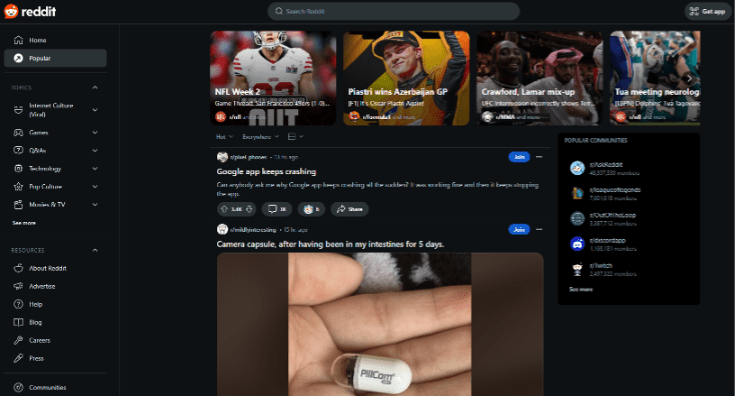
Reddit is a dynamic social media platform that allows individuals to engage in thousands of existing communities, known as subreddits, or even create their own subreddit if an existing one doesn’t exist or suit their needs.
Users can browse, engage with, or submit content to these subreddits. There’s a voting system that determines the content’s visibility, allowing popular content to rise to the top, while less engaging content moves further down the feed.
Screenshot from Reddit, September 2024
For non-logged-in users, Reddit’s front page displays a curated view of content from various “safe” communities, which is organized by popularity.
Logged-in users see a personalized front page featuring content from their subscribed subreddits, again ranked by popularity.
Reddit’s Unique Position In Social Media
Reddit has played a significant role in shaping internet culture, including:
Influencing meme creation and propagation.
Pioneering crowdfunding initiatives.
Popularizing the AMA (Ask Me Anything) interview format.
Fostering deep, meaningful online discussions.
For marketers, Reddit presents a unique opportunity to connect with potential customers in a space where users actively seek to learn, debate, and engage with topics they’re passionate about.
Reddit’s reach and engagement are impressive:
Reddit’s user base is diverse and valuable, with a growing international presence (over 50% of traffic now originates outside the U.S.).
The platform attracts a well-educated audience with significant purchasing power, making it an attractive target for marketers.
Additionally, the platform’s influence extends beyond its own ecosystem.
In 2024, Google entered a $60 million agreement with Reddit to provide real-time content access and utilize its data in AI model training.
This partnership has increased Reddit’s visibility in search results, with users often appending “reddit” to their queries to access more authentic information.
Screenshot from search for [best electric car suv 2024], Google, September 2024
Navigating Reddit’s Ecosystem
To succeed on Reddit, it’s crucial to understand its unique characteristics and unwritten rules.
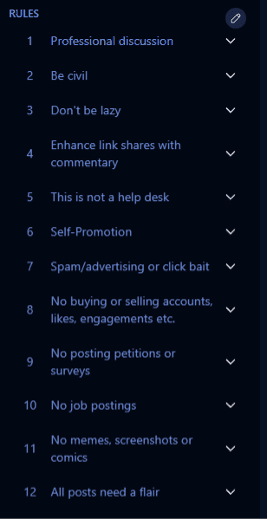
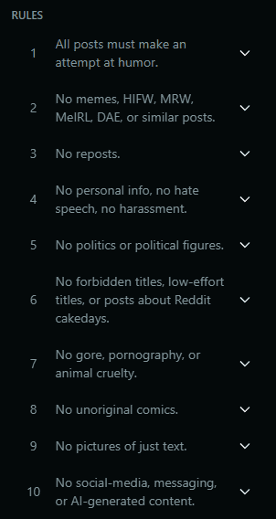
Subreddit-Specific Rules
While Reddit has overarching guidelines, each subreddit operates with its own set of rules. These can be highly specific and vary greatly between communities.
Screenshot from Reddit (/r/socialmedia), September 2024
For instance, r/dataisbeautiful, one of Reddit’s most popular subreddits, requires all diagrams to have at least one computer-generated element.
Always review a subreddit’s rules before participating to avoid potential bans.
The Value Of Pseudonymity
Reddit’s culture is built on pseudonymity. Most users, including founders and administrators, operate under usernames that don’t reveal their real-world identities.
Unless you’re managing a branded account for advertising purposes or overseeing a branded subreddit, it’s advisable to use a pseudonym.
For those with branded accounts, maintaining a separate pseudonymous account for general participation is recommended.
Reddit allows multiple accounts per user, provided they’re not used to manipulate the voting system.
Understanding Reddit’s Algorithm
Reddit’s content ranking algorithm uses a logarithmic scale based on upvotes, downvotes, and other engagement factors.
In simple terms, the first 10 votes on a submission carry as much weight as the next 100, which in turn carry as much weight as the next 1,000.
This means that initial engagement is crucial for a submission’s success. However, attempting to manipulate this system is strongly discouraged and can result in severe penalties.
Instead, focus on creating high-quality titles and descriptions, and consider adding thoughtful comments to encourage positive engagement.
Keep in mind that Reddit’s algorithm now also considers factors like comments and overall user interaction.
Becoming An Active Redditor
To truly understand and succeed on Reddit, it’s essential to become an active participant in the community.
Screenshot from Reddit, September 2024
Engage with subreddits aligned with your interests and expertise.
Familiarize yourself with the nuances of each community and contribute to discussions where you can add value.
Learn the Reddit language so that when you engage in each Subreddit, you sound like you belong.
Trust me, there are a lot of Reddit terms and phrases you definitely do not know but should if you want to have success on Reddit. Check out this handy Reddit Lingo Guide.
The Importance Of Commenting
Commenting is a fundamental aspect of Reddit participation. It’s the primary way to connect with other users, demonstrate community involvement, and even help avoid being labeled as a spammer.
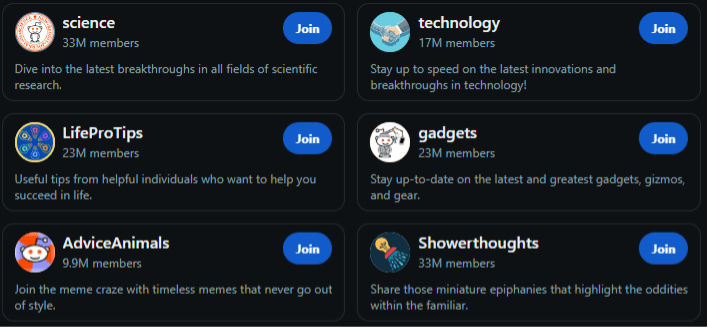
To build karma efficiently, monitor the “rising” tab and contribute early to posts gaining traction, as well as participate in lower barriers to entry subreddits, like /r/meme, /r/oddlysatisfying, and /r/aww.
Avoiding The Spam Label
Reddit’s definition of spam is different from other platforms, but it’s clear they take it seriously, and if you’re not careful, you can quickly be labeled as a spammer.
Spam on Reddit isn’t just about posting links or overly promotional content – it’s more nuanced and tied to how you engage with the community.
Let’s break down the major actions that could get you flagged as spam on Reddit:
Exclusively Posting Self-Created Content
Reddit is a place to share and discuss, not just promote your own material.
If all you do is post your own stuff without engaging with others or sharing content from other sources, you’ll quickly be seen as self-serving, which will limit your success on Reddit.
Posting Without Engaging In Comments
This is one of the most common pitfalls. You can’t just drop a link and disappear.
Reddit is all about community interaction, so if you’re not jumping into the conversation around your post or others, you’re missing the point.
Comments are where the magic happens – it’s your chance to build credibility and trust.
Submitting Off-Topic Content To A Subreddit
Each subreddit has its own culture, tone, and rules.
Posting content that doesn’t align with the community’s focus is a quick way to be labeled as a spammer.
Take the time to understand what each subreddit values, and tailor your contributions accordingly.
Excessive Posting In A Single Subreddit
Overposting, even with good content, can make you look like you’re just there to push your agenda. Balance is key.
Spread your contributions across different subreddits, and ensure you add value rather than just trying to gain exposure.
Repeatedly Posting Poorly Received Content
If your posts aren’t resonating with the community, take a step back and reassess.
Maybe your content isn’t the right fit, or perhaps the way you’re presenting it doesn’t match the subreddit’s tone.
Learn from the feedback – or lack of engagement – and adjust your approach.
Cross-Posting Identical Content Across Multiple Subreddits
This feels lazy and reeks of self-promotion.
Redditors are savvy, and they can spot someone who’s trying to game the system a mile away.
If you’re going to share similar content in different subreddits, tailor it to each community to show that you’ve put in the effort to understand their specific interests.
Ultimately, Reddit values authenticity and genuine interaction. Posting is not enough – you need to participate actively.
Treat Reddit like a real-world community, focus on being part of the conversation, and you’ll avoid being seen as a spammer while building credibility and trust.
Identifying Suitable Subreddits
Identifying suitable subreddits is one of the most crucial steps to succeeding on Reddit as a marketer.
While engaging with communities that match your personal interests helps you learn the ropes, you need to go a step further and target subreddits that align with your business goals.
Remember, Reddit isn’t a one-size-fits-all platform, so your strategy has to be intentional and tailored to each community.
Here’s how to be strategic in finding the right subreddits:
Leverage Reddit’s Search Function
Use the “site:domain.com” search parameter to uncover where your content – or your competitors’ – is being discussed.
This helps you identify communities already interested in your industry or niche. It’s a quick way to figure out where conversations are happening about topics related to your business.
Refine Your Search
Once you have an idea of where your content might fit, dig deeper by going into your selected subreddit and searching “site:domain.com” (you will notice the subreddit included in the left of the search box by default).
This lets you analyze how your content performs in specific subreddits, giving you insights into which communities are most receptive.
You’ll quickly see what tone, format, and subject matter work best in each one.
Study The Sidebar Rules
Every subreddit has its own culture and guidelines, and these aren’t suggestions – they’re rules.
Before posting, always check the sidebar to ensure your content aligns with the community’s standards.
Failing to do this is one of the fastest ways to get your content removed or, worse, get banned.
Look For Emerging Subreddits
Established subreddits can be crowded and harder to break into, but newer or smaller subreddits often seek more content and engagement.
They present a fantastic opportunity to gain visibility and influence early on.
Keep an eye on trending or fast-growing communities that align with your niche. This is where you can become a go-to source before your competition even knows they exist.
When you take the time to find the right subreddits and understand their nuances, you’ll be much more effective in reaching your target audience and building genuine connections.
Creating Effective Reddit Content
Creating content that resonates on Reddit requires more than repurposing material from other platforms.
Redditors are discerning and quick to reject anything that feels overly promotional or irrelevant, so it’s crucial to understand the community’s values and engagement style.
Analyze The “TOP” Tab: Check the “TOP” posts in relevant subreddits to see which topics, formats, and tones perform best. This helps you understand what resonates with the community and tailor your content accordingly.
Use The “site:domain.com” Search Technique: Search for posts mentioning your domain or competitors to identify what’s working. Analyze titles, framing, and responses to find successful patterns you can adapt.
Create Reddit-Specific Content: Design content specifically for Reddit, such as AMAs, behind-the-scenes insights, or unique Reddit discounts. Focus on being authentic and valuable to gain traction.
Engage With The Community: Don’t just post and leave – actively participate in the comments. Engaging with users builds credibility and strengthens connections with your audience.
Adapt And Iterate: Regularly review your content’s performance across subreddits and adjust your approach based on feedback to ensure you’re always aligning with what works.
By tailoring your approach to fit the unique culture of Reddit, you’ll create content that not only gets noticed but also builds genuine connections with the community.
Maintaining Integrity On Reddit
Reddit isn’t a place to cut corners or game the system.
Its anti-spam and anti-manipulation systems are advanced and constantly evolving to catch attempts at cheating, using machine learning, domain filtering, and rate limiting.
If caught manipulating the voting system or pushing your content too aggressively, you risk both account and permanent domain bans.
The Reddit community values authenticity, and any attempt to manipulate will quickly backfire, damaging your reputation.
Instead, take a page from TikTok’s approach – engage openly and authentically, even if you face criticism.
If you want a real presence on Reddit, invest the time to understand the platform, respect its culture, and engage genuinely. Follow the rules, be transparent, and avoid tricks.
The long-term rewards far outweigh any short-term gains from gaming the system.
Start Now, Thrive Tomorrow
As Reddit’s influence continues to expand, the smartest move is to dive in now and familiarize yourself with how things work.
Reddit’s dedicated, thriving communities offer a unique chance to connect, but it’s a space that rewards genuine effort. The partnerships with Google and OpenAI show Reddit’s only going to get bigger, so this is your moment to get ahead of the curve.
By getting involved today and respecting its culture, you’ll set yourself up to tap into one of the internet’s most engaged and influential platforms.
Success on Reddit isn’t about shortcuts – it’s about being part of the conversation now, so you’re ready to win tomorrow.










![Google search for [best electric car suv 2024]](https://ecommerceedu.com/wp-content/uploads/2024/10/reddit-2-981.png)