How healthy am I? My immunome knows the score.  

The story is a collaboration between MIT Technology Review and Aventine, a non-profit research foundation that creates and supports content about how technology and science are changing the way we live.

It’s not often you get a text about the robustness of your immune system, but that’s what popped up on my phone last spring. Sent by John Tsang, an immunologist at Yale, the text came after his lab had put my blood through a mind-boggling array of newfangled tests. The result—think of it as a full-body, high-resolution CT scan of my immune system—would reveal more about the state of my health than any test I had ever taken. And it could potentially tell me far more than I wanted to know.

“David,” the text read, “you are the red dot.”

Tsang was referring to an image he had attached to the text that showed a graph with a scattering of black dots representing other people whose immune systems had been evaluated—and a lone red one. There also was a score: 0.35.

I had no idea what any of this meant.

The red dot was the culmination of an immuno-quest I had begun on an autumn afternoon a few months earlier, when a postdoc in Tsang’s lab drew several vials of my blood. It was also a significant milestone in a decades-long journey I’ve taken as a journalist covering life sciences and medicine. Over the years, I’ve offered myself up as a human guinea pig for hundreds of tests promising new insights into my health and mortality. In 2001, I was one of the first humans to have my DNA sequenced. Soon after, in the early 2000s, researchers tapped into my proteome—proteins circulating in my blood. Then came assessments of my microbiome, metabolome, and much more. I have continued to test-drive the latest protocols and devices, amassing tens of terabytes of data on myself, and I’ve reported on the results in dozens of articles and a book called Experimental Man. Over time, the tests have gotten better and more informative, but no test I had previously taken promised to deliver results more comprehensive or closer to revealing the truth about my underlying state of health than what John Tsang was offering.

Over the years, I’ve offered myself up as a human guinea pig for hundreds of tests promising new insights into my health and mortality. But no test I had previously taken promised to deliver results more comprehensive or closer to revealing the truth about my underlying state of health.

It also was not lost on me that I’m now 20-plus years older than I was when I took those first tests. Back in my 40s, I was ridiculously healthy. Since then, I’ve been battered by various pathogens, stresses, and injuries, including two bouts of covid and long covid—and, well, life.

But I’d kept my apprehensions to myself as Tsang, a slim, perpetually smiling man who directs the Yale Center for Systems and Engineering Immunology, invited me into his office in New Haven to introduce me to something called the human immunome.
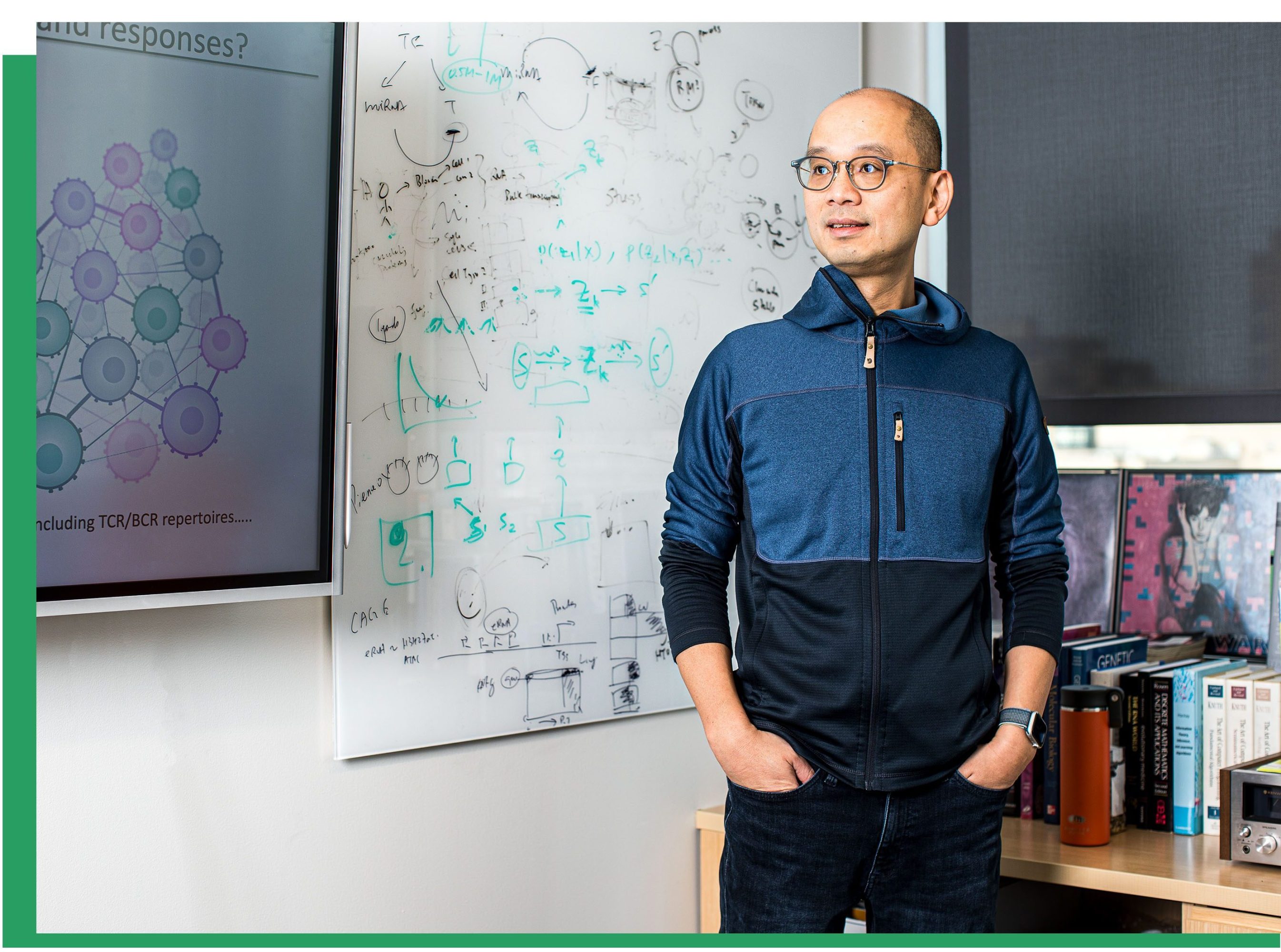
John Tsang in his office
John Tsang has helped create a new test for your immune system.
JULIE BIDWELL

Made up of 1.8 trillion cells and trillions more proteins, metabolites, mRNA, and other biomolecules, every person’s immunome is different, and it is constantly changing. It’s shaped by our DNA, past illnesses, the air we have breathed, the food we have eaten, our age, and the traumas and stresses we have experienced—in short, everything we have ever been exposed to physically and emotionally. Right now, your immune system is hard at work identifying and fending off viruses and rogue cells that threaten to turn cancerous—or maybe already have. And it is doing an excellent job of it all, or not, depending on how healthy it happens to be at this particular moment.

Yet as critical as the immunome is to each of us, this universe of cells and molecules has remained largely beyond the reach of modern medicine—a vast yet inaccessible operating system that powerfully influences everything from our vulnerability to viruses and cancer to how well we age to whether we tolerate certain foods better than others.

Now, thanks to a slew of new technologies and to scientists like Tsang, who is on the Steering Committee of the Chan Zuckerberg Biohub New York, understanding this vital and mysterious system is within our grasp, paving the way for powerful new tools and tests to help us better assess, diagnose and treat diseases.

Already, new research is revealing patterns in the ways our bodies respond to stress and disease. Scientists are creating contrasting portraits of weak and robust immunomes—portraits that someday, it’s hoped, could offer new insights into patient care and perhaps detect illnesses before symptoms appear. There are plans afoot to deploy this knowledge and technology on a global scale, which would enable scientists to observe the effects of climate, geography, and countless other factors on the immunome. The results could transform what it means to be healthy and how we identify and treat disease.

It all begins with a test that can tell you whether your immune system is healthy or not.

Reading the immunome

Sitting in his office last fall, Tsang—a systems immunologist whose expertise combines computer science and immunology— began my tutorial in immunomics by introducing me to a study that he and his team wrote up in a 2024 paper published in Nature Medicine. It described the results of measurements made on blood samples taken from 270 subjects—tests similar to the ones Tsang’s team would be running on me. In the study, Tsang and his colleagues looked at the immune systems of 228 patients diagnosed with a variety of genetic disorders and a control group of 42 healthy people.

To help me visualize what my results might look like, Tsang opened his laptop to reveal several colorful charts from the study, punctuated by black dots representing each person evaluated. The results reminded me vaguely of abstract paintings by Joan Miró. But in place of colorful splotches, whirls, and circles were an assortment of scatter plots, Gantt charts, and heat maps tinted in greens, blues, oranges, and purples.

It all looked like gibberish to me.

Luckily, Tsang was willing to serve as my guide. Flashing his perpetually patient smile, he explained that these colorful jumbles depicted what his team had uncovered about each subject after taking blood samples and assessing the details of how well their immune cells, proteins, mRNA, and other immune system components were doing their job.

IBRAHIM RAYINTAKATH

The results placed people—represented by the individual dots—on a left-to-right continuum, ranging from those with unhealthy immunomes on the left to those with healthy immunomes on the right. Background colors, meanwhile, were used to identify people with different medical conditions affecting their immune systems. For example, olive-green indicated those with auto-immune disorders; orange backgrounds were designated for individuals with no known disease history. Tsang said he and his team would be placing me on a similar graph after they finished analyzing my blood.

Tsang’s measurements go significantly beyond what can be discerned from the handful of immune biomarkers that people routinely get tested for today. “The main immune cell panel typically ordered by a physician is called a CBC differential,” he told me. CBC, which stands for “complete blood count,” is a decades-old type of analysis that counts levels of red blood cells, hemoglobin, and basic immune cell types (neutrophils, lymphocytes, monocytes, basophils, and eosinophils). Changes in these levels can indicate whether a person’s immune system might be reacting to a virus or other infection, cancer, or something else. Other blood tests—like one that looks for elevated levels of C-reactive protein, which can indicate inflammation associated with heart disease—are more specific than the CBC. But they still rely on blunt counting—in this case of certain proteins.

Tsang’s assessment, by contrast, tests up to a million cells, proteins, mRNA and immune biomolecules—significantly more than the CBC and others. His protocol is designed to paint a more holistic portrait of a person’s immune system by not only counting cells and molecules but also by assessing their interactions. The CBC “doesn’t tell me as a physician what the cells being counted are doing,” says Rachel Sparks, a clinical immunologist who was the lead author of the Nature Medicine study and is now a translational medicine physician with the drug giant AstraZeneca. “I just know that there are more neutrophils than normal, which may or may not indicate that they’re behaving badly. We now have technology that allows us to see at a granular level what a cell is actually doing when a virus appears—how it’s changing and reacting.”

Tsang’s measurements go significantly beyond what can be discerned from the handful of immune biomarkers that people routinely get tested for today. His assessment tests up to a million cells, proteins, mRNA and immune biomolecules.

Such breakthroughs have been made possible thanks to a raft of new and improved technologies that have evolved over the past decade, allowing scientists like Tsang and Sparks to explore the intricacies of the immunome with newfound precision. These include devices that can count myriad different types of cells and biomolecules, as well as advanced sequencers that identify and characterize DNA, RNA, proteins, and other molecules. There are now instruments that also can measure thousands of changes and reactions that occur inside a single immune cell as it reacts to a virus or other threat.

Tsang and Spark’s’ team used data generated by such measurements to identify and characterize a series of signals distinctive to unhealthy immune systems. Then they used the presence or absence of these signals to create a numerical assessment of the health of a person’s immunome—a score they call an “immune health metric,” or IHM.
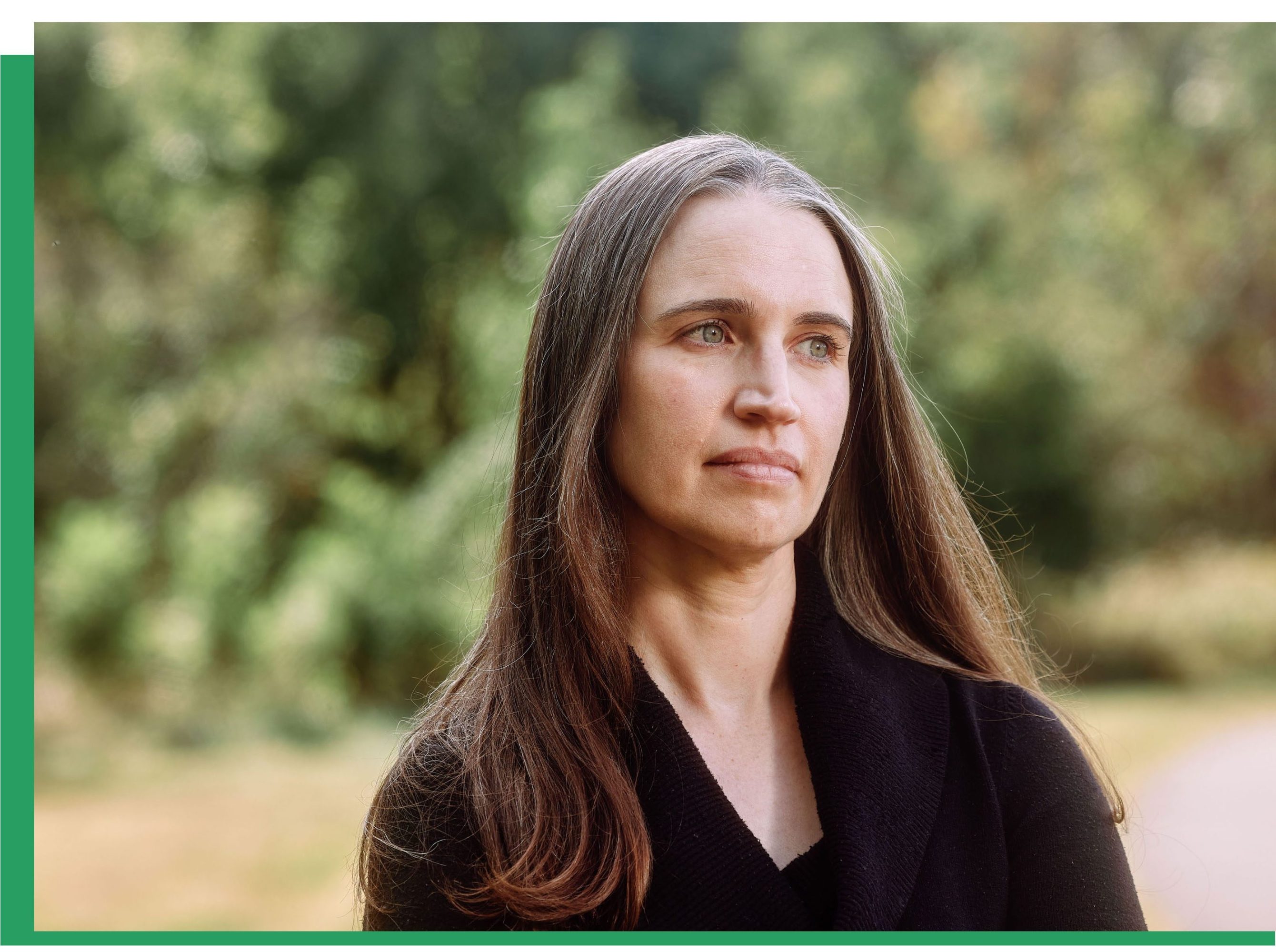
Rachel Sparks outdoors in a green space
Clinical immunologist Rachel Sparks hopes new tests can improve medical care.
JARED SOARES

To make sense of the crush of data being collected, Tsang’s team used machine-learning algorithms that correlated the results of the many measurements with a patient’s known health status and age. They also used AI to compare their findings with immune system data collected elsewhere. All this allowed them to determine and validate an IHM score for each person, and to place it on their spectrum, identifying that person as healthy or not.

It all came together for the first time with the publication of the Nature Medicine paper, in which Tsang and his colleagues reported the results from testing multiple immune variables in the 270 subjects. They also announced a remarkable discovery: Patients with different kinds of diseases reacted with similar disruptions to their immunomes. For instance, many showed a lower level of the aptly named natural killer immune cells, regardless of what they were suffering from. Critically, the immune profiles of those with diagnosed diseases tended to look very different from those belonging to the outwardly healthy people in the study. And, as expected, immune health declined in the older patients.

But then the results got really interesting. In a few cases, the immune systems of  unhealthy and healthy people looked similar, with some people appearing near the “healthy” area of the chart even though they were known to have diseases. Most likely this was because their symptoms were in remission and not causing an immune reaction at the moment when their blood was drawn, Tsang told me. 

In other cases, people without a known disease showed up on the chart closer to those who were known to be sick. “Some of these people who appear to be in good health are overlapping with pathology that traditional metrics can’t spot,” says Tsang, whose Nature Medicine paper reported that roughly half the healthy individuals in the study had IHM scores that overlapped with those of people known to be sick. Either these seemingly healthy people had normal immune systems that were busy fending off, say, a passing virus, or  their immune systems had been impacted by aging and the vicissitudes of life. Potentially more worrisome, they were harboring an illness or stress that was not yet making them ill but might do so eventually.

These findings have obvious implications for medicine. Spotting a low immune score in a seemingly healthy person could make it possible to identify and start treating an illness before symptoms appear, diseases worsen, or tumors grow and metastasize. IHM-style evaluations could also provide clues as to why some people respond differently to viruses like the one that causes covid, and why vaccines—which are designed to activate a healthy immune system—might not work as well in people whose immune systems are compromised.

Spotting a low immune score in a seemingly healthy person could make it possible to identify and start treating an illness before symptoms appear, diseases worsen, or tumors grow and metastasize.

“One of the more surprising things about the last pandemic was that all sorts of random younger people who seemed very healthy got sick and then they were gone,” says Mark Davis, a Stanford immunologist who helped pioneer the science being developed in labs like Tsang’s. “Some had underlying conditions like obesity and diabetes, but some did not. So the question is, could we have pointed out that something was off with these folks’ immune systems? Could we have diagnosed that and warned people to take extra precautions?”

Tsang’s IHM test is designed to answer a simple question: What is the relative health of your immune system? But there are other assessments being developed to provide more detailed information on how the body is doing. Tsang’s own team is working on a panel of additional scores aimed at getting finer detail on specific immune conditions. These include a test that measures the health of a person’s bone marrow, which makes immune cells. “If you have a bone marrow stress or inflammatory condition in the bone marrow, you could have lower capacity to produce cells, which will be reflected by this score,” he says. Another detailed metric will measure protein levels to predict how a person will respond to a virus.

Tsang hopes that an IHM-style test will one day be part of a standard physical exam—a snapshot of a patient’s immune system that could inform care. For instance, has a period of intense stress compromised the immune system, making it less able to fend off this season’s flu? Will someone’s score predict a better or worse response to a vaccine or a cancer drug? How does a person’s immune system change with age?

Or, as I anxiously wondered while waiting to learn my own score, will the results reveal an underlying disorder or disease, silently ticking away until it shows itself?

Toward a human immunome project  

The quest to create advanced tests like the IHM for the immune system began more than 15 years ago, when scientists like Mark Davis became frustrated with a field in which research—primarily in mice—was focused mostly on individual immune cells and proteins. In 2007 he launched the Stanford Human Immune Monitoring Center, one of the first efforts to conceptualize the human immunome as a holistic, body-wide network in human beings. Speaking by Zoom from his office in Palo Alto, California, Davis told me that the effort had spawned other projects, including a landmark twin study showing that a lot of immune variation is not genetic, which was then the prevailing theory, but is heavily influenced by environmental factors—a major shift in scientists’ understanding.

Shai Shen-Orr
Shai Shen-Orr sees a day when people will check their immune scores on an app.
COURTESY OF SHAI SHEN-ORR

Davis and others also laid the groundwork for tests like John Tsang’s by discovering how a T cell—among the most common and important immune players—can recognize pathogens, cancerous cells, and other threats, triggering defensive measures that can include destroying the threat. This and other discoveries have revealed many of the basic mechanics of how immune cells work, says Davis, “but there’s still a lot we have to learn.”

One researcher working with Davis in those early days was Shai Shen-Orr, who is now director of the Zimin Institute for AI Solutions in Healthcare at the Technion-Israel Institute of Technology, based in Haifa, Israel. (He’s also a frequent collaborator with Tsang.) Shen-Orr, like Tsang, is a systems immunologist. He recalls that in 2007, when he was a postdoc in Davis’s lab, immunologists had identified around 100 cell types and a similar number of cytokines—proteins that act as messengers in the immune system. But they weren’t able to measure them simultaneously, which limited visibility into how the immune system works as a whole. Today, Shen-Orr says, immunologists can measure hundreds of cell types and thousands of proteins and watch them interact.

Shen-Orr’s current lab has developed its own version of an immunome test that he calls IMM-AGE (short for “immune age”), the basics of which were published in a 2019 paper in Nature Medicine. IMM-AGE looks at the composition of people’s immune systems—how many of each type of immune cell they have and how these numbers change as they age. His team has used this information primarily to ascertain a person’s risk of heart disease.

Shen-Orr also has been a vociferous advocate for expanding the pool of test samples, which now come mostly from Americans and Europeans. “We need to understand why different people in different environments react differently and how that works,” he says. “We also need to test a lot more people—maybe millions.”

Tsang has seen why a limited sample size can pose problems. In 2013, he says, researchers at the National Institutes of Health came up with a malaria vaccine that was effective for almost everyone who got it during clinical trials conducted in Maryland. “But in Africa,” he says, “it only worked for about 25% of the people.” He attributes this to the significant differences in genetics, diet, climate, and other environmental factors that cause people’s immunomes to develop differently. “Why?” he asks. “What exactly was different about the immune systems in Maryland and Tanzania? That’s what we need to understand so we can design personalized vaccines and treatments.”

“What exactly was different about the immune systems in Maryland and Tanzania? That’s what we need to understand so we can design personalized vaccines and treatments.”

John Tsang

For several years, Tsang and Shen-Orr have advocated going global with testing, “but there has been resistance,” Shen-Orr says. “Look, medicine is conservative and moves slowly, and the technology is expensive and labor intensive.” They finally got the audience they needed at a 2022 conference in La Jolla, California, convened by the Human Immunome Project, or HIP. (The organization was originally founded in 2016 to create more effective vaccines but had recently changed its name to emphasize a pivot from just vaccines to the wider field of immunome science.) It was in La Jolla that they met HIP’s then-new chairperson, Jane Metcalfe, a cofounder of Wired magazine, who saw what was at stake.

“We’ve got all of these advanced molecular immunological profiles being developed,” she said, “but we can’t begin to predict the breadth of immune system variability if we’re  only testing small numbers of people in Palo Alto or Tel Aviv. And that’s when the big aha moment struck us that we need sites everywhere to collect that information so we can build proper computer models and a predictive understanding of the human immune system.”

IBRAHIM RAYINTAKATH

Following that meeting, HIP created a new scientific plan, with Tsang and Shen-Orr as chief science officers. The group set an ambitious goal of raising around $3 billion over the next 10 years—a goal Tsang and Metcalfe say will be met by working in conjunction with a broad network of public and private supporters. Cutbacks in federal funding for biomedical research in the US may limit funds from this traditional source, but HIP plans to work with government agencies outside the US too, with the goal of creating a comprehensive global immunological database.

HIP’s plan is to first develop a pilot version based on Tsang’s test, which it will call the Immune Monitoring Kit, to test a few thousand people in Africa, Australia, East Asia, Europe, the US, and Israel. The initial effort, according to Metcalfe, is expected to begin by the end of the year.  

After that, HIP would like to expand to some 150 sites around the world, eventually assessing about 250,000 people and collecting a vast cache of data and insights that Tsang believes will profoundly affect—even revolutionize—clinical medicine, public health, and drug development.

My immune health metric score is …

As HIP develops its pilot study to take on the world, John Tsang, for better or worse, has added one more North American Caucasian male to the small number of people who have received an IHM score to date. That would be me.

It took a long time to get my score, but Tsang didn’t leave me hanging once he pinged me the red dot. “We plotted you with other participants who are clinically quite healthy,” he texted, referring to a cluster of black dots on the grid he had sent, although he cautioned that the group I’m being compared with includes only a few dozen people. “Higher IHM means better immune health,” he wrote, referring to my 0.35 score, which he described as a number on an arbitrary scale. “As you can see, your IHM is right in the middle of a bunch of people 20 years younger.”

This was a relief, given that our immune system, like so many other bodily functions, declines with age—though obviously at different rates. Yet I also felt a certain disappointment. To be honest, I had expected more granular detail after having a million or so cells and markers tested—like perhaps some insights on why I got long covid (twice) and others didn’t. Tsang and other scientists are working on ways to extract more specific information from the tests. Still, he insists that the single score itself is a powerful tool to understand the general state of our immunomes, indicating the absence or presence of underlying health issues that might not be revealed in traditional testing.

To be honest, I had expected more granular detail after having a million or so cells and markers tested—like perhaps some insights on why I got long covid (twice) and others didn’t.

I asked Tsang what my score meant for my future. “Your score is always changing depending on what you’re exposed to and due to age,” he said, adding that the IHM is still so new that it’s hard to know exactly what the score means until researchers do more work—and until HIP can evaluate and compare thousands or hundreds of thousands of people. They also need to keep testing me over time to see how my immune system changes as it’s exposed to new perturbations and stresses.

For now, I’m left with a simple number. Though it tells me little about the detailed workings of my immune system, the good news is that it raises no red flags. My immune system, it turns out, is pretty healthy.

A few days after receiving my score from Tsang, I heard from Shen-Orr about more results. Tsang had shared my data with his lab so that he could run his IMM-AGE protocol on my immunome and provide me with another score to worry about. Shen-Orr’s result put the age of my immune system at around 57—still 10 years younger than my true age.

The coming age of the immunome

Shai Shen-Orr imagines a day when people will be able to check their advanced IHM and IMM-AGE scores—or their HIP Immune Monitoring Kit score—on an app after a blood draw, the way they now check health data such as heart rate and blood pressure. Jane Metcalfe talks about linking IHM-type measurements and analyses with rising global temperatures and steamier days and nights to study how global warming might affect the immune system of, say, a newborn or a pregnant woman. “This could be plugged into other people’s models and really help us understand the effects of pollution, nutrition, or climate change on human health,” she says.

“I think [in 10 years] I’ll be able to use this much more granular understanding of what the immune system is doing at the cellular level in my patients. And hopefully we could target our therapies more directly to those cells or pathways that are contributing to disease.”

Rachel Sparks

Other clues could also be on the horizon. “At some point we’ll have IHM scores that can provide data on who will be most affected by a virus during a pandemic,” Tsang says. Maybe that will help researchers engineer an immune system response that shuts down the virus before it spreads. He says it’s possible to run a test like that now, but it remains experimental and will take years to fully develop, test for safety and accuracy, and establish standards and protocols for use as a tool of global public health. “These things take a long time,” he says. 

The same goes for bringing IHM-style tests into the exam room, so doctors like Rachel Sparks can use the results to help treat their patients. “I think in 10 years, with some effort, we really could have something useful,” says Stanford’s Mark Davis. Sparks agrees. “I think by then I’ll be able to use this much more granular understanding of what the immune system is doing at the cellular level in my patients,” she says. “And hopefully we could target our therapies more directly to those cells or pathways that are contributing to disease.”

Personally, I’ll wait for more details with a mix of impatience, curiosity, and at least a hint of concern. I wonder what more the immune circuitry deep inside me might reveal about whether I’m healthy at this very moment, or will be tomorrow, or next month, or years from now. 

David Ewing Duncan is an award-winning science writer. For more information on this story check out his Futures Column on Substack.
The Download: mysteries of the immunome, and how to choose a climate tech pioneer

This is today’s edition of The Download, our weekday newsletter that provides a daily dose of what’s going on in the world of technology.

How healthy am I? My immunome knows the score.  

Made up of 1.8 trillion cells and trillions more proteins, metabolites, mRNA, and other biomolecules, every person’s immunome is different, and it is constantly changing.

It’s shaped by everything we have ever been exposed to physically and emotionally, and powerfully influences everything from our vulnerability to viruses and cancer to how well we age to whether we tolerate certain foods better than others.

Yet as critical as the immunome is to each of us, it has remained largely beyond the reach of modern medicine. Now, thanks to a slew of new technologies, understanding this vital and mysterious system is within our grasp, paving the way for powerful new tools and tests to help us better assess, diagnose and treat diseases. Read the full story.

—David Ewing Duncan

The story is a collaboration between MIT Technology Review and Aventine, a non-profit research foundation that creates and supports content about how technology and science are changing the way we live.

3 takeaways about climate tech right now

On Monday, we published our 2025 edition of Climate Tech Companies to Watch. Curating this list gives our team a chance to take a step back and consider the broader picture. What industries are making progress or lagging behind? Which countries or regions are seeing quick changes? Who’s likely to succeed? 

This year is an especially interesting moment in the climate tech world, something we grappled with while choosing companies. Here are three of the biggest takeaways from the process of building this list.

—Casey Crownhart

This article is from The Spark, MIT Technology Review’s weekly climate newsletter. To receive it in your inbox every Wednesday, sign up here.

2025 climate tech companies to watch: Cemvision and its low-emissions cement

Cement is one of the most used materials on the planet, and the industry emits billions of tons of greenhouse gasses annually. Swedish startup Cemvision wants to use waste materials and alternative fuels to help reduce climate pollution from cement production. Read the full story.

—Casey Crownhart

Cemvision is one of our 10 climate tech companies to watch—our annual list of some of the most promising climate tech firms on the planet. Check out the rest of the list here.

The must-reads

I’ve combed the internet to find you today’s most fun/important/scary/fascinating stories about technology.

1 OpenAI wasn’t expecting its Sora copyright backlash  
CEO Sam Altman says the company will reverse course and “let rightsholders decide how to proceed.” (The Verge)
+ It appears to be struggling to work out which requests to approve right now. (404 Media)
+ Sam Altman says video IP is a lot trickier than for images. (Insider $)+ What comes next for AI copyright lawsuits? (MIT Technology Review)

2 Apple has removed another ICE app from its store
This one archives video evidence of abuses, rather than tracking officers’ locations. (404 Media)
+ Another effort to track ICE raids was just taken offline. (MIT Technology Review)

3 How private firms are helping economists work out what’s going on

In the absence of economic data from the US government, experts are getting creative. (WP $)
+ How to fine-tune AI for prosperity. (MIT Technology Review)

4 China is cracking down on its rare earth exports
It’s keen to protect its leverage over the critical minerals. (FT $)
+ This rare earth metal shows us the future of our planet’s resources. (MIT Technology Review)

5 Microsoft wants to become a chatbot powerhouse in its own right
Which means lessening its dependence on OpenAI. (WSJ $)

6 High schoolers are starting romantic relationships with AI models
It’s a whole new issue for schools and parents to grapple with. (NPR)
+ It’s surprisingly easy to stumble into a relationship with an AI chatbot. (MIT Technology Review)

7 Those Prime Day savings are often too good to be true
Buyer beware. (WP $)

8 The future of the AI boom hinges on a small Dutch city
Chipmaker ASML is planning a massive expansion—but is the surrounding area ready to support it? (Bloomberg $)
+ Welcome to robot city. (MIT Technology Review)

9 Ferrari’s first electric car is on the horizon
It’s expected to go on sale next year. (Reuters)
+ It sports four motors and more than 1,000 horsepower. (Ars Technica)

10 Inside the enduring appeal of The Sims
Keeping a house full of angry little materialists alive is still lots of fun. (NYT $)

Quote of the day

“The ICE raid is just the cherry on top. How is anybody going to trust us going forward?”

—Betony Jones, a senior fellow at the Roosevelt Institute think tank, tells IEEE Spectrum how an ICE raid on a Hyundai EV factory in Georgia has shaken the industry.

One more thing

The flawed logic of rushing out extreme climate solutions

Early in 2022, entrepreneur Luke Iseman says, he released a pair of sulfur dioxide–filled weather balloons from Mexico’s Baja California peninsula, in the hope that they’d burst miles above Earth.

It was a trivial act in itself, effectively a tiny, DIY act of solar geoengineering, the controversial proposal that the world could counteract climate change by releasing particles that reflect more sunlight back into space.

Entrepreneurs like Iseman invoke the stark dangers of climate change to explain why they do what they do—even if they don’t know how effective their interventions are. But experts say that urgency doesn’t create a social license to ignore the underlying dangers or leapfrog the scientific process. Read the full story.

—James Temple

We can still have nice things

A place for comfort, fun and distraction to brighten up your day. (Got any ideas? Drop me a line or skeet ’em at me.)

+ What language did residents of the ancient Mesoamerican city of Teotihuacan speak? We’re finally starting to find out.
+ If you’re unsure whether an animal is safe to pet, this handy guide is a good starting point.
+ The Metropolitan Museum of Art’s new ancient Egypt exhibition sounds brilliant.
+ This story digging into the psychology experiment behind Star Wars‘ special effects is completely bonkers.

OpenAI’s AgentKit Is a Milestone

OpenAI released a toolbox this week to help developers orchestrate applications and achieve some of AI’s oft-promised impact.

The toolbox, called AgentKit, allows developers to create self-directed assistants — “agents” in AI vernacular — that plan and execute tasks.

AI Agents

An AI agent is more than a chatbot. It can act on a defined goal rather than responding passively to instructions. A good agent can, in a sense, decide what to do, access external tools, and learn from the results.

For ecommerce, an agent could review Shopify sales data, identify products with slow sell-throughs, and create Google Ads campaigns to move the inventory.

Certainly that process was doable before AI agents, with automations and coordinated prompts. But agents offer a more structured solution. An agent maintains context through each step and likely operates more efficiently, consuming relatively fewer AI tokens and reducing overall compute costs.

Using AgentKit

AgentKit packages several capabilities into a single development environment.

It features Agent Builder, which helps developers define what an agent should do and how it should behave. The Connector Registry manages access to tools and data sources, including analytics software, application programming interfaces, and product databases.

AgentKit includes what it calls ChatKit as the interface layer, making it easier to embed conversational AI into existing apps and websites. AgentKit also helps enforce safety, privacy, and performance standards.

In a sense, AgentKit functions like an operating system for AI assistants. Although it doesn’t manage resources or run processes like an OS, AgentKit transforms the idea of “prompt once and hope for the best” into repeatable, structured workflows. Tasks that required multiple applications and manual coordination are now manageable by a single agent, configured on company guidelines and policies.

Frameworks

AgentKit exemplifies a broader trend toward structured, autonomous AI systems.

The trend started before ChatGPT’s public release. Relatively early frameworks like LangChain and Google’s Vertex AI paved the way for orchestrating multi-step AI processes.

Newer approaches, such as Anthropic’s open-source Model Context Protocol, are establishing standards for how agents securely connect to data and tools.

These frameworks and standards aim to transform general-purpose AI into practical and reliable assistants for businesses.

Building Agents

For an ecommerce executive, AI tools and software can feel both imminent and distant. She can imagine helpful AI tasks without knowing how to implement them.

AgentKit, frameworks, and standards can unlock that second part.

Some ecommerce companies might build relatively complex, automated systems. I’m writing this article, for instance, during my employer’s week-long off-site, where a team of developers and leaders is building an AI system to identify Meta advertising opportunities, generate creatives, and launch campaigns.

The system will act autonomously, optimizing performance and driving sales.

AI in Tools

To be sure, most ecommerce businesses will not build AI agents from scratch using AgentKit or any similar system. Rather, most will rely on tools they already use to include them.

Hence the work for retailers now is preparation.

First, identify automation candidates: repeatable tasks and decisions. Then organize your data. The cleaner the data, the more useful are future AI systems.

Defined rules and guidelines for agent behavior are equally key. Such rules form the structure for AI execution, ensuring that agents act within boundaries, such as reading a product catalog but not altering prices, or sending an email only with human-approved copy.

As more systems integrate these standards, trust and accountability will separate effective automation from risky experiments.

Ecommerce Implication

OpenAI’s AgentKit is an early operational milestone. The technology is nascent, but its direction is clear.

Businesses will move from testing and dabbling with generative AI to deploying autonomous systems that manage repeatable processes under human oversight.

AI agents will handle daily routines, freeing humans to focus on strategy and product development.

New Ecommerce Tools: October 9, 2025

Every week we publish a handpicked list of new products and services for ecommerce merchants. This installment includes updates on shoppable ads, reverse logistics, customizable agents, cross-border delivery, generative engine optimization, conversational search, and more.

Got an ecommerce product release? Email releases@practicalecommerce.com.

New Tools for Merchants

Snapchat and Woo announce ad manager integration. Snapchat has launched an integration with WooCommerce, wherein merchants can build shoppable ads inside the Snapchat Ads Manager. The integration syncs a Woo merchant‘s entire product catalog with Ads Manager in one click. Merchants can also set up Snap Pixel and the Conversions API, which provide data for ad targeting and optimization.

Web page by Snap announcing the Woo integration

Snapchat and Woo.

Squarespace and Perplexity partner for business creation in the AI era. Squarespace, a platform to build businesses online, and Perplexity, a generative AI engine, have partnered to help companies launch and grow in an AI-powered internet. Squarespace will serve as the website building and hosting partner for Perplexity‘s browser, Comet, helping entrepreneurs move from AI-powered research to launch, including guidance on domain registration, brand development, and design recommendations directly through Comet’s conversational interface.

Bloq.it launches Drop for reverse logistics. Bloq.it, a provider of out-of-home delivery, has launched Drop, a standalone drop-off solution to streamline returns. The drop-off device features a single slot for handovers, a built-in label printer, a QR and barcode reader, and a 10-inch color touchscreen to guide users through the process. When the drop-off is full, Drop sends a notification for a pickup, and couriers collect a single bag.

OpenAI introduces AgentKit to standardize building agents. OpenAI has launched AgentKit, a set of three tools to build, deploy, and optimize AI agents. According to OpenAI, developers can now design workflows visually and embed agentic UIs using building blocks. Agent Builder is a visual canvas for creating and versioning multi-agent workflows. ChatKit is for embedding customizable chat-based agent experiences. Connector Registry manages how data and tools connect across OpenAI products.

Web page for OpenAI's AgentKit

OpenAI’s AgentKit

Hellmann and SkyNet partner on cross-border logistics. Hellmann Worldwide Logistics and SkyNet Worldwide Express have partnered on a cross-border ecommerce logistics service, including warehousing, fulfillment, re-fulfillment, B2C deliveries, and returns management. According to the companies, combining Hellmann’s global freight capabilities with SkyNet’s experience in B2C delivery and partnerships with global retailers enables seamless digital integration, advanced customs clearance, and reliable last-mile operations. The service will be available initially for shippers in the E.U. or U.K., and then rolled out globally.

PayPal Ads Manager enables SMBs to leverage retail media. PayPal has launched Ads Manager, allowing small businesses to become their own retail media network. With no upfront cost and no minimum commitment, PayPal Ads Manager enables SMBs to opt in, integrate the software development kit, and select their advertising preferences. PayPal will then automatically place and serve the relevant ads based on those preferences and other factors. Businesses can control their performance within the PayPal Merchant Portal.

American Express unveils Amex Ads to connect card members to brands. American Express has launched Amex Ads, a digital advertising platform to help brands connect with American Express’s U.S. consumer card members. Beginning on AmexTravel.com and expanding to additional Amex-owned platforms, brands can serve high-spending card members timely contextual ads through a suite of digital media ad formats and backed by sophisticated measurement tools.

Pattern launches free GEO scorecard. Pattern, an ecommerce accelerator, has launched a free generative engine optimization scorecard to help brands understand how platforms such as ChatGPT showcase their products. The new tool provides brands with a score reflecting their brand’s presence in AI-driven commerce, a competitive analysis that benchmarks their standing against key competitors, and a prioritized list of actionable recommendations to improve content, sentiment, and ranking on genAI platforms.

Web page for Pattern's GEO scorecard

Pattern’s GEO Scorecard

Aspire partners with Instagram for AI-powered conversational search. Aspire.io, a word-of-mouth commerce platform, has launched AI Instagram Discovery. Powered by Instagram’s first-party creator marketplace API, the tool enables brands to find high-performing creators via conversational AI search, advanced filters, lookalike recommendations, and richer performance data. Brands can narrow results to surface similar creators, track engagement KPIs, and evaluate candidates based on verified brand collaboration history.

eBay launches AI Activate program with OpenAI. eBay has launched AI Activate, providing small U.K. businesses with funded access to custom AI productivity tools and training. Developed in collaboration with OpenAI, the program is available to commercial eBay sellers. The program will offer access to ChatGPT Enterprise for up to 12 months. Additional support will include a dedicated eBay team to develop custom GPTs with sellers.

Meta debuts customizable AI agent for brands. Meta has unveiled Business AI, a customized AI agent for brands to guide shoppers and answer questions within the brands’ Meta ads and on their own websites. According to Meta, a brand can train Business AI on its offerings via Meta social posts, ad campaigns, product catalogs, and website content.

Yottaa launches interactive benchmarking tool for ecommerce. Yottaa, a website speed optimizer, has launched a new version of its Web Performance Index, which aggregates site performance data from over 500 million shopper sessions across 700 leading ecommerce brands. According to Yottaa, the enhanced Index reflects ongoing, commerce-specific site performance across Core Web Vitals, page load speed, bounce rate, and conversion indicators, filterable by industry, platform, and device.

Home page of Yottaa

Yottaa

YouTube Launches Brand Pulse Report to Measure Full Brand Impact via @sejournal, @brookeosmundson

For years, marketers have struggled to measure the full picture of how their brand shows up on YouTube.

Paid campaigns have their own dashboards. Creator collaborations usually live in separate, manual spreadsheets. Organic and user-generated content rarely make it into the same conversation.

YouTube’s new Brand Pulse Report, just announced today looks to change that. It aims to offer brands a unified view of how their presence is represented and performing across every corner of the platform.

Read on to understand more about the report and how to use it to your advantage.

A Closer Look at the Brand Pulse Report

YouTube describes Brand Pulse as a new, AI-powered measurement solution that detects and quantifies a brand’s presence across the platform. It doesn’t look at just paid placements, but in creator videos, organic uploads, and even user-generated content.

It uses what YouTube calls multi-modal AI, meaning it analyzes videos across multiple dimensions:

  • Audio: detecting spoken mentions of a brand
  • Visuals: identifying logos, packaging, or even product shots
  • Text: reading brand mentions in titles, captions, or descriptions

This allows the tool to recognize where a brand appears, intentionally or organically, and then tie those signals back to viewer engagement metrics like “Total Unique Viewers” and “Share of Watch Time”.

For brands, that means visibility into where and how they show up across YouTube, even in content they didn’t create or sponsor directly.

Why the Brand Pulse Report is So Notable

Marketers have long been asking for better ways to measure YouTube’s brand impact beyond paid media.

Brand Pulse answers that request by connecting the dots between paid, organic, and creator-driven exposure. It gives the respective teams a more complete picture of influence.

YouTube also notes that the tool will show how brand exposure on the platform drives “Search Lift”, allowing advertisers to see how YouTube content contributes to increases in branded search queries. This connection between upper-funnel video exposure and mid-funnel intent is one of the most interesting aspects of the rollout.

As Google Ads Liaison Ginny Marvin explained on LinkedIn, the Brand Pulse Report is “helping brands finally connect the dots,” showing how paid and organic videos together influence real behaviors, not just views or likes.

YouTube’s move here mirrors a broader industry shift toward holistic measurement: tying together paid and organic activity to give brands a single narrative of influence.

Similar efforts are underway in Connected TV, social, and retail media, where advertisers increasingly want to understand how their brand performs in context, not just in isolation.

For YouTube, Brand Pulse also reinforces its positioning as more than just a performance or creator platform. It’s a brand-building ecosystem: one where paid, creator, and user content coexist in ways that shape real consumer behavior.

What Does This Mean For Brand and Media Teams?

For advertisers, this report could help solve one of the most persistent blind spots in video marketing: the inability to quantify the ripple effect of brand exposure.

Historically, a creator video might boost product awareness, a pre-roll ad might reinforce it, and organic search might capture it.

But, those signals lived in isolation.

Brand Pulse promises to bring those touchpoints together under one lens.

This unified visibility could help teams by:

  • Highlight how paid campaigns amplify creator and organic reach
  • Reveal where brand mentions are naturally gaining traction
  • Help benchmark visibility against competitors within the same category
  • Inform where future collaborations or ad placements could drive incremental reach

For many teams, it may also reshape how budgets are allocated.

For example, if the data consistently shows that paid YouTube campaigns drive organic or creator-based lift, it strengthens the case for reinvesting more heavily at the brand-building stage. Where previously, teams would rely solely on performance metrics like conversions or click-through rates (which we know isn’t the main goal for all YouTube campaigns).

Additionally, if the Brand Pulse report ties together how well each channel performs together, it may strengthen the case to continue investment in all of those channels. It could help signal that without one channel, others may suffer indirectly as a result of cutting.

Current Limitations and Questions to Ponder

The Brand Pulse Report is currently available only to select advertisers, so it’s still in its early days. And while the vision is ambitious, several questions may be top of mind:

  • How accurate is its multi modal AI? Will it correctly recognize a brand when it’s partially visible, mispronounced, or used in a negative context?
  • Are there any thresholds for brands to reach? For example, how long must a logo or mention appear for it to count as meaningful exposure?
  • Is there risk for attribution overlap? If a viewer sees both a paid ad and an organic mention, how will Brand Pulse avoid double-counting influence?

Marketers should also remain cautious about assuming correlation equals causation. While a lift in search volume or engagement may align with YouTube exposure, controlled testing will still be necessary to validate true impact.

A Move Towards Holistic Measurement

YouTube’s Brand Pulse Report represents a meaningful step toward closing one of the biggest gaps in digital measurement: connecting what people see with how they search, engage, and recall brands later on.

If successful, it could give marketers a truer sense of how awareness efforts on YouTube translate into tangible brand outcomes.

Still, adoption will depend on data accuracy and usability. The potential is significant, but the real proof will come from how well the report balances AI ambition with real-world reliability.

For now, Brand Pulse signals where measurement is headed: beyond impressions and clicks, toward understanding the total presence of a brand across the YouTube ecosystem.

2026: When AI Assistants Become The First Layer via @sejournal, @DuaneForrester

What I’m about to say will feel uncomfortable to a lot of SEOs, and maybe even some CEOs. I’m not writing this to be sensational, and I know some of my peers will still look sideways at me for it. That’s fine. I’m sharing what the data suggests to me, and I want you to look at the same numbers and decide for yourself.

Too many people in our industry have slipped into the habit of quoting whatever guidance comes out of a search engine or AI vendor as if it were gospel. That’s like a soda company telling you, “Our drink is refreshing, you should drink more.” Maybe it really is refreshing. Maybe it just drives their margins. Either way, you’re letting the seller define what’s “best.”

SEO used to be a discipline that verified everything. We tested. We dug as deep as we could. We demanded evidence. Lately, I see less of that. This article is a call-back to that mindset. The changes coming in 2026 are not hype. It’s visible in the adoption curves, and those curves don’t care if we believe them or not. These curves aren’t about what I say, what you say, or what 40 other “SEO experts” say. These curves are about consumers, habits, and our combined future.

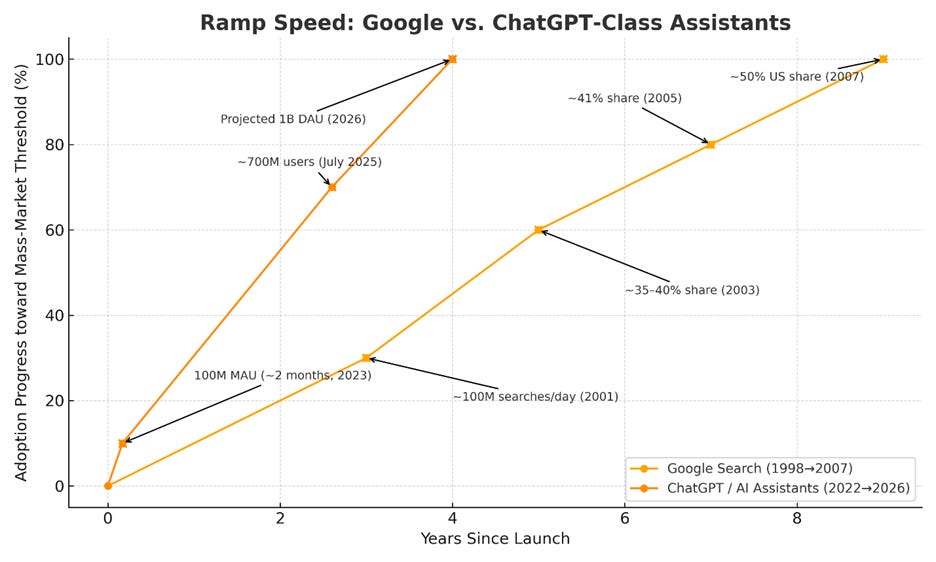
ChatGPT is reaching mass adoption in 4 years. Google took 9. Tech adoption is accelerating.

The Shocking Ramp: Google Vs. ChatGPT

Confession: I nearly called this section things like “Ramp-ocalypse 2026” or “The Adoption Curve That Will Melt Your Rank-Tracking Dashboard.” I had a whole list of ridiculous options that would have looked at home on a crypto shill blog. I finally dialed it back to the calmer “The Shocking Ramp: Google Vs. ChatGPT” because that, at least, sounds like something an adult would publish. But you get the idea: The curve really is that dramatic, but I just refuse to dress it up like a doomsday tabloid headline.

Image Credit: Duane Forrester

And before we really get into the details, let’s be clear that this is not comparing totals of daily active users today. This is a look at time-to-mass-adoption. Google achieved that a long time ago, whereas ChatGPT is going to do that, it seems, in 2026. This is about the vector. The ramp, and the speed. It’s about how consumer behavior is changing, and is about to be changed. That’s what the chart represents. Of course, when we reference ChatGPT-Class Assistants, we’re including Gemini here, so Google is front and center as these changes happen.

And Google’s pivot into this space isn’t accidental. If you believe Google was reacting to OpenAI’s appearance and sudden growth, guess again. Both companies have essentially been neck and neck in a thoroughbred horse race to be the leading next-gen information-parsing layer for humanity since day one. ChatGPT may have grabbed the headlines when they launched, but Google very quickly became their equal, and the gap at the top, that these companies are chasing, it’s vanishing quickly. Consumers soon won’t be able to say which is “the best” in any meaningful ways.

What’s most important here is that as consumers adopt, behavior changes. I cannot recommend enough that folks read Charles Duhigg’s “The Power of Habit” book (non-aff link). I first read it over a decade ago, and it still brings home the message – the impact that a single moment of habit-forming has on a product’s success and growth. And that is what the chart above is speaking to. New habits are about to be formed by consumers globally.

Let’s rewind to the search revolution most of us built our careers on.

  • Google launched in 1998.
  • By late 1999, it was handling about 3.5 million searches per day (Market.us, September 1999 data).
  • By 2001, Google crossed roughly 100 million searches a day (The Guardian, 2001).
  • It didn’t pass 50 % U.S. market share until 2007, about nine years after launch (Los Angeles Times, August 2007).

Now compare that to the modern AI assistant curve:

  • ChatGPT launched in November 2022.
  • It reached 100 million monthly active users in just two months (UBS analysis via Reuters, February 2023).
  • According to OpenAI’s usage study published Sept. 15, 2025, in the NBER working-paper series, by July 2025, ChatGPT had ~700 million users sending ~18 billion messages per week, or about 10 % of the world’s adults.
  • Barclays Research projects ChatGPT-class assistants will reach ~1 billion daily active users by 2026 (Barclays note, December 2024).

In other words: Google took ~9 years to reach its mass-adoption threshold. ChatGPT is on pace to do it in ~4.

That slope is a wake-up call.

Four converging forces explain why 2026 is the inflection year:

  1. Consumer scale: Barclays’ projection of 1 billion daily active users by 2026 means assistants are no longer a novelty; they’re a mainstream habit (Barclay’s).
  2. Enterprise distribution: Gartner forecasts that about 40 % of enterprise applications will ship with task-doing AI agents by 2026. Assistants will appear inside the software your customers already use at work (Gartner Hype Cycle report cited by CIO&Leader, August 2025).
  3. Infrastructure rails: Citi projects ≈ $490 billion in AI-related capital spending in 2026, building the GPUs and data-center footprint that drop latency and per-interaction cost (Citi Research note summarized by Reuters, September 2025).
  4. Capability step-change: Sam Altman has described 2026 as a “turning-point year” when models start “figuring out novel insights” and by 2027, become reliable task-doing agents (Sam Altman blog, June 2025). And yes, this is the soda salesman telling us what’s right here, but still, you get the point, I hope.

This isn’t a calendar-day switch-flip. It’s the slope of a curve that gets steep enough that, by late 2026, most consumers will encounter an assistant every day, often without realizing it.

What Mass Adoption Feels Like For Consumers

If the projections hold, the assistant experience by late 2026 will feel less like opening a separate chatbot app and more like ambient computing:

  • Everywhere-by-default: built into your phone’s OS, browser sidebars, TVs, cars, banking, and retail apps.
  • From Q&A to “do-for-me”: booking travel, filling forms, disputing charges, summarizing calls, even running small projects end-to-end.
  • Cheaper and faster: thanks to the $490 billion infrastructure build-out, response times drop and the habit loop tightens.

Consumers won’t think of themselves as “using an AI chatbot.” They’ll just be getting things done, and that subtle shift is where the search industry’s challenge begins. And when 1 billion daily users prefer assistants for [specific high-value queries your audience cares about], that’s not just a UX shift, it’s a revenue channel migration that will impact your work.

The SEO & Visibility Reckoning

Mass adoption of assistants doesn’t kill search; it moves it upstream.

When the first answer or action happens inside an assistant, our old SERP tactics start to lose leverage. Three shifts matter most:

1. Zero-Click Surfaces Intensify

Assistants answer in the chat window, the sidebar, the voice interface. Fewer users click through to the page that supplied the answer.

2. Chunk Retrievability Outranks Page Rank

Assistants lift the clearest, most verifiable chunks, not necessarily the highest-ranked page. OpenAI’s usage paper shows that three-quarters of consumer interactions already focus on practical guidance, information, and writing help (NBER working paper, September 2025). That means assistants favor well-structured task-led sections over generic blog posts. Instead of optimizing “Best Project Management Software 2026” as a 3,000-word listicle, for example, you need “How to set up automated task dependencies” as a 200-word chunk with a code sample and schema markup.

3. Machine-Validated Authority Wins

Systems prefer sources they can quote, timestamp, and verify: schema-rich pages, canonical PDFs/HTML with stable anchors, authorship credentials, inline citations.

The consumer adoption numbers grab headlines, but the enterprise shift may hit harder and faster.

When Gartner forecasts that 40% of workplace applications will ship with embedded agents by 2026, that’s not about adding a chatbot to your product; it’s about your buyer’s daily tools becoming information gatekeepers.

Picture this: A procurement manager asks their Salesforce agent, “What’s the best solution for automated compliance reporting?” The agent surfaces an answer by pulling from its training data, your competitor’s well-structured API documentation, and a case study PDF it can easily parse. Your marketing site with its video hero sections and gated whitepapers never enters the equation.

This isn’t hypothetical. Microsoft 365 Copilot, Salesforce Einstein, SAP Joule, these aren’t research tools. They’re decision environments. If your product docs, integration guides, and technical specifications aren’t structured for machine retrieval, you’re invisible at the moment of consideration.

The enterprise buying journey is moving upstream to the data layer before buyers ever land on your domain. Your visibility strategy needs to meet them there.

A 2026-Ready Approach For SEOs And Brands

Preparing for this shift isn’t about chasing a new algorithm update. It’s about becoming assistant-ready:

  1. Restructure content into assistant-grade chunks: 150-300-word sections with a clear claim > supporting evidence > inline citation, plus stable anchors so the assistant can quote cleanly.
  2. Tighten provenance and trust signals: rich schema (FAQ, HowTo, TechArticle, Product), canonical HTML + PDF versions, explicit authorship and last-updated stamps.
  3. Mirror canonical chunks in your help center, product manuals, developer docs to meet the assistants where they crawl.
  4. Expose APIs, sample data, and working examples so agents can act on your info, not just read it.
  5. Track attribution inside assistants to watch for brand or domain citations across ChatGPT, Gemini, Perplexity, etc., then double-down on the content that’s already surfacing.
  6. Get used to new tools that can help you surface new metrics and monitor in areas your original tools aren’t focused. (SERPReconRankbeeProfoundWaikayZipTie.dev, etc.)

Back To Verification

The mass-adoption moment in 2026 won’t erase SEO, but it will change what it means to be discoverable.

We can keep taking guidance at face value from the platforms that profit when we follow it, or we can go back to questioning why advice is given, testing what the machines actually retrieve, and trust. We used to have to learn, and we seem to have slipped into easy-button mode over the last 20 years.

Search is moving upstream to the data layer. If you want to stay visible when assistants become the first touch-point, start adapting now, because this time the curve isn’t giving you nine years to catch up.

More Resources:


This post was originally published on Duane Forrester Decodes.


Featured Image: Roman Samborskyi/Shutterstock

Preparing C-Level For The Agentic Web via @sejournal, @TaylorDanRW

Artificial intelligence is changing how the web works. Search engines, voice assistants, and generative platforms are altering how people find information and make decisions.

The internet is no longer built only for human visitors. Brands now operate in an environment where both people and intelligent systems interact with their content, reshaping how websites are designed, found, and measured.

Dual Audiences

The modern web now serves two audiences.

Websites are designed not only for people to read and navigate, but also for AI systems that interpret and act on information on behalf of users. This change is as significant as the move to mobile-first design.

Traditional search practices that focused on keyword visibility, human readability, and click-through rates are becoming less effective. AI-generated summaries in search results, along with tools like ChatGPT, Perplexity, and Gemini, surface information directly to users without them visiting a site. Website traffic and engagement data are becoming less reliable measures of success.

Brands need content that performs two functions. It must provide value and clarity for human visitors while also being structured in a way that can be understood and used by AI systems. This calls for new thinking around design, content structure, and data transparency.

Redefining Visibility

Visibility is no longer only about ranking highly on a search results page. It now depends on how often a brand’s information is cited or used by AI systems.

Brands with well-organized data, clear product details, and content that machines can interpret are more likely to appear in AI-driven environments. Websites should utilize modular, structured frameworks that separate content from design, allowing AI agents to easily process the information.

Modern SEO now extends beyond technical optimization and backlinks. It includes preparing data for language models and voice assistants, product feeds, and FAQ content to help make brand information accessible both to people and to machines.

Content strategies also need to evolve. Pages should be written to answer user questions directly, not just target keywords. AI systems prioritize clarity, authority, and logical structure. Brands that provide straightforward, useful information are more likely to appear in AI summaries and responses.

Personalization At Scale

AI is expanding how brands personalize content and recommendations. Machine learning and first-party data allow for tailored experiences at a scale that was not previously possible.

The challenge is maintaining a consistent brand identity while using automated personalization. Without strong frameworks, brand messaging can become inconsistent or lose tone.

To avoid this, organizations should build clear structures, tone-of-voice guidance, and defined data governance. Modular content systems make it possible to create personalized messages without losing consistency. Each variation should feel part of the same brand experience.

A strong data strategy is essential. Customer Data Platforms and analytics tools help brands understand context and behavior, enabling more relevant and timely communication. Human oversight remains important to ensure brand values and tone are respected across automated outputs.

Measuring Success In The AI Era

As AI reduces clicks and sessions, traditional marketing metrics are less meaningful. C-level leaders are focusing more on results than activity. The key question has become how effectively a brand’s content or product is being chosen or recommended by intelligent systems.

Brands can measure performance in three areas:

1. Agent Visibility And Selection

This reflects how often AI systems reference or prioritize a brand’s content. Tracking brand mentions and inclusion across AI platforms is becoming an important new visibility metric.

2. AI-Driven Traffic Referrals

Although click-throughs are fewer, visitors who arrive via AI recommendations often convert more quickly. Measuring how these users behave can reveal intent and content quality.

3. Brand Sentiment And Experience Quality

In personalized environments, success is not only about visibility but also how users feel. Measuring satisfaction, accuracy, and tone across AI interactions is key.

To do this effectively, brands need updated analytics. Tools that assess visibility in generative systems and track AI-driven referrals are beginning to emerge. Integrating these into broader measurement frameworks will be essential.

Preparing For The Open Agentic Web

The next phase of web development is the open agentic web, where AI systems can browse, interpret, and act across sites on behalf of users. These agents can make bookings, complete purchases, and retrieve information without direct user input.

New web standards are supporting this transition. Protocols such as NLWeb are helping make content easier for AI systems to access. This aims to create smoother interaction between users, brands, and intelligent systems.

Businesses should start adapting their digital infrastructure now. Content management systems, APIs, and data models should serve both human users and AI agents. Making information accessible in a structured, secure way will determine how effectively brands participate in this environment.

This shift also brings new decisions. Some brands may allow AI systems to use their content to improve visibility, while others may prefer to limit access. Each approach affects how visible and discoverable the brand becomes.

Leaders should see this as a major transition. Those who act early to build structured, machine-readable foundations will have an advantage. Those who delay risk losing visibility as AI systems become key gateways to information.

What C-Level Needs To Know

Executives should focus on three main areas as the open agentic web develops:

1. Build A Flexible Digital Infrastructure

Invest in structured, modular systems that can evolve with AI standards. APIs, data models, and schemas should be consistent and accessible.

2. Update Performance Metrics

Shift away from traffic and CTRs. Focus on agent selection, task completion, and performance outcomes that reflect both human and machine interactions.

3. Align Teams Around Data And Content

AI integration spans marketing, technology, and product functions. Shared frameworks are needed to ensure tone, data, and strategy stay consistent.

What Brand Teams Need To Do

Marketing teams should turn these strategies into practical action.

They need to create content that answers questions clearly, maintain clean data structures, and design experiences that both humans and machines can interpret. Testing structured formats such as conversational FAQs, knowledge hubs, and metadata-rich content will help future-proof visibility.

Measurement practices must also evolve. Teams should begin testing tools that monitor how often AI platforms reference their content and how structured data contributes to discoverability.

A New Web For Humans And Machines

The web is moving towards closer interaction between people and intelligent systems. Success will depend on how well brands design experiences that are both understandable and trustworthy for both parties.

For business leaders, the goal is to build digital systems that operate clearly and efficiently. For brands, it means creating content and structures that work with AI rather than against it.

The open agentic web will reward brands that connect visibility, personalization, and measurement into a single strategy. Those that act early will help shape how this new phase of the internet develops.

More Resources:


Featured Image: Anton Vierietin/Shutterstock

30-Year SEO Expert: Why AI Search Isn’t Overhyped & What To Focus On Right Now via @sejournal, @theshelleywalsh

Out of many direct conversations I’ve had in the industry, there’s a mixed reaction to how much AI might impact SEO and search. It depends on your business model as to just how much of a catastrophic effect LLM platforms have taken away your clicks and, more importantly, your end business outcomes.

Google still remains the dominant search engine, and right now is still referring the majority of traffic. Although, traffic volumes are significantly reduced, especially for news publishers.

From my conversations, many SEOs believe that despite this Google is not going anywhere and it’s business as usual.

To dig into this topic, I spoke to Carolyn Shelby, who co-founded an ISP in 1994 and has worked in the search industry since for 30 years, working with major brands such as Disney, ESPN, and Tribune Publishing.

Over three decades, Carolyn has seen disruption in the industry many times over, so I asked for her IMHO: Is AI search overhyped?

Her opinion is that focusing on just 1% of a huge share is a good strategy, that we should be focused on technical accessibility and that no one should be ignoring AI search. She also thinks that Google is purposely throttling it’s own progression right now.

The Blogging Economy Is Imploding

Right now, AI and LLMs are dramatically changing search business models and how you can make money online. The biggest impact of this is within blogging for dollars and page views-for-AdSense business models.

As Carolyn said, “It’s not viable going forward as a sustainable business strategy to spin up garbage content sites and slap AdSense all over them and then make enough money to live. Hobby creators or people that are creating out of love will continue to create because they’re doing it for themselves, not for the money. And the amount of money they will make will be enough to maybe buy them coffee every month, but it is not going to be enough to pay their mortgage.

So, the people that are looking for the money to pay their mortgage or buy them a Lamborghini are going to go where there is money to be made, which is over to TikTok and over to YouTube and over to the video platforms.”

This isn’t a temporary disruption. Right now, we’re experiencing a fundamental restructuring of how value is created and captured on the internet.

The influence of TikTok has been building for a few years and is one platform that could be resistant and even flourish in the face of the changes happening in search.

SEO experts I have spoken to cited TikTok as a space where a startup could break into a niche.

1% Of A Trillion Is Traffic Worth Taking

Recently, in a podcast, Carolyn said that less than 1% of traffic comes from AI tools/platforms. On the surface, 1% might seem to be insignificant, but if you consider that 1% of a trillion is 10 billion, that’s a huge amount of traffic.

“If you told me today that if I focused on nothing but ChatGPT and I could guarantee I would monopolize the 1% of traffic, I would jump on that because that is so much traffic.” Carolyn said.

As marketers, we can easily get swept away by the big ‘trillion’ numbers, but if we remember that it can be far easier to gain traction in a smaller niche with less competition than to drown in a crowded space.

For example, SEOs have all been focused on Google because it has so much traffic potential. However, Bing is less competitive and could convert better, so it could be far more beneficial to invest in Bing.

Carolyn believes that the same logic applies to AI platforms. “It’s better to have the traffic from the people that convert, and it’s better to have people coming to your website that are going to convert in general. If you can increase that, increase that.”

Carolyn was clear that in her opinion AI is not overhyped. “I think if you ignore these other opportunities with the LLMs and with AI, then you’re doing yourself a disservice. I wouldn’t call this overhyped. I would call this a shifting mindset, a shift in a paradigm.”

Google Is Holding Back As A Strategic Play

I asked Carolyn if she thought that Google could claw back its dominance, and she has an interesting theory centered on how Google’s Department of Justice battles might be influencing its competitive behavior.

Carolyn explained that during the appeals process, Google needs to prove it’s not a monopoly, which creates an incentive structure.

“They need to prove that they don’t hold absolute control over absolutely everything that happens. Which means they’re going to be inclined to allow other people to encroach on their position because that reinforces their point that they’re not a monopoly.”

Think of it like a driver spotting a speed trap; you slow down until you’re out of range, then floor it again. Google is playing the long game.

Carolyn also identified Chrome data as a critical factor, as it’s Google’s biggest competitive advantage. User signals and behavioral data from Chrome give them insights that drive innovation and performance and forcing the search engine to share this data would fundamentally alter the competitive landscape.

“You take the Chrome data away, that’s a different story. And I think that would be taking the gas out of their engine.” Carolyn commented.

AI Mode Is Here To Stay

We moved the conversation on to AI Mode, and I asked what she thought of the Google AI-generated search results.

Carolyn’s opinion is that Google is not going to roll it back, and it’s here to stay. “I think they’re going to take steps to make sure that we all get used to it and that we all start using it the way they want us to use it to get the best results.”

Carolyn acknowledged that AI Mode creates friction for users conditioned to traditional keyword searches.

“I feel weird asking Google questions like I would ask ChatGPT,” she admitted. “I’m conditioned to interface with ChatGPT in one way and I’m conditioned to interface with Google in a different way and my habits just haven’t changed yet.”

Her belief is that adaptation is inevitable. Google’s dominance means it can guide users toward new interaction patterns.

“They’ll just keep giving us bad answers and we’ll keep trying again because that’s what we do until we figure out how to get the answers that we want out of the machine … together we’ll all keep iterating.”

Google has maintained a position at the forefront of industry development for the last 25 years with constant iteration, and it has wanted to be a personal assistant for years. AI is enabling that to happen.

“It would be ridiculous for Google to say, ‘We’re going to not evolve and we’re going to stay the way we’ve been doing things for 20 years while everyone else is doing AI.’” Carolyn commented. “There’s too much investment in the infrastructure. It’s to everyone’s benefit to learn how to operate within this new environment.”

What SEOs Should Focus On Right Now

My final question to Carolyn was to ask what she thought SEOs should focus on right now.

For me, the actual marketing strategy has been long overlooked in SEO, and Carolyn echoed this in her response to say there are a lot of marketing aspects that have been ignored.

Although in her opinion, the main focus should be on the technical aspects of SEO, not just for search engines but also for LLMs. She emphasized ensuring content accessibility at the machine level.

“I think focusing on the technical fundamentals.” Carolyn explained, “Can the machines [LLMs] traverse your site and retrieve the content and is the content retrievable in the way you need it to be retrievable?”

SEOs should be aware that different LLMs access content differently. Carolyn noted that some platforms, like Anthropic, only capture first-view content, missing anything in toggles or tabs.

“Your job is to figure out what is being found and making sure that the things that the message that you need to have conveyed is in that stuff that is being read. If it’s not, if it’s hidden in something, you have to unhide it.

“There are a lot of different things to do to get to that point, which is what constitutes SEO. Making sure that it’s accessible and it’s the message that you want seen, that if you boil it all down, that is your job.”

The Future Belongs To Those Who Adapt & Adopt

Rather than dismissing AI search as hype, Carolyn thinks we’re witnessing a fundamental transformation that requires strategic adaptation. Business models are changing, and success demands understanding how machines access and interpret content.

“If you ignore these opportunities with the LLMs and with AI, then you’re doing yourself a disservice.”

The future belongs to those who understand that 1% of a trillion is a huge market, who ensure their content is truly accessible to every machine that matters, and who can adopt real marketing.

The professionals who embrace AI will define the next era of SEO.

Watch the full video interview with Carolyn Shelby here:

Thank you to Carolyn Shelby for offering her insights and being my guest on IMHO.

More Resources: 


Featured Image: Shelley Walsh

WP Engine Vs Automattic & Mullenweg Is Back In Play via @sejournal, @martinibuster

WP Engine filed a Second Amended Complaint against Automattic and Matt Mullenweg in response to the September 2025 court order that dismissed several counts but gave WP Engine an opportunity to amend and fix issues in its earlier filing. Although Mullenweg blogged last month that the ruling was a “significant milestone,” that’s somewhat of an overstatement because the court had, in fact, dismissed the counts related to antitrust and monopolization with leave to amend, allowing WP Engine to amend and refile its complaint, which it has now done.

WP Engine Versus Automattic Is Far From Over

In last month’s court order, two claims were dismissed outright because of technical issues, not because they lacked merit.

Two Claims That Were Dismissed

  1. Count 4, Attempted Extortion: WP Engine’s lawyers cited a section of the California Penal Code for Attempted Extortion. The Penal Code is criminal law intended for use by prosecutors and cannot serve as the basis for a civil claim.
  2. Count 16, Trademark Misuse, was also dismissed on the technical ground that trademark misuse can only be raised as a defense.

The remaining counts that were dismissed last month were dismissed with leave to amend, meaning WP Engine could correct the identified flaws and refile. WP Engine’s amended complaint shows that Automattic and Matt Mullenweg still have to respond to WP Engine’s claims and that the lawsuit is far from over.

Six Counts Refiled

WP Engine refiled six counts to cure the flaws the judge identified in the September 2025 court order, including its Computer Fraud and Abuse Act claim (Count 3).

  1. Count 3: Computer Fraud and Abuse Act (CFAA)
  2. Count 12: Attempted Monopolization (Sherman Act)
  3. Count 13: Illegal Tying (Sherman Act)
  4. Count 14: Illegal Tying (Cartwright Act)
  5. Count 15: Lanham Act Unfair Competition
  6. Count 16: Lanham Act False Advertising

Note: In the amended complaint, Count 16 is newly numbered; the previous Count 16 (Trademark Misuse) was dismissed without leave to amend.

How Second Amended Complaint Fixes Issues

The refiled complaint adds further allegations and examples to address the shortcomings identified by the judge in the previous ruling. One major change is the inclusion of clearer market definitions and more detailed allegations of monopoly power.

Clearer Market Definition

The September 2025 order found that WP Engine’s earlier complaint did not adequately define the relevant markets, and the judge gave WP Engine an opportunity to amend. The amended complaint dedicates about 27 pages to defining and describing multiple relevant markets.

WP Engine’s filing now identifies four markets:

  1. Web Content Management Systems (CMS) Market: Encompassing both open-source and proprietary CMS platforms for website creation and management, with alleged monopoly power concentrated in the WordPress ecosystem.
  2. WordPress Web Hosting Services Market: Consisting of hosting providers that specialize in WordPress websites, where Automattic is alleged to influence competition through its control of WordPress.org and trademark enforcement.
  3. WordPress Plugin Distribution Market: Focused on the distribution of plugins through the WordPress.org repository, which WP Engine alleges Automattic controls as an essential and exclusive channel for visibility and access.
  4. WordPress Custom Field Plugin Market: A narrower segment centered on Advanced Custom Fields (ACF) and similar plugins that provide custom field functionality, where WP Engine claims Automattic’s actions directly suppressed competition.

By defining these markets in greater detail over 27 pages, WP Engine addresses the court’s earlier finding that its market definitions were inadequately supported and insufficiently specific.

New Allegations Of Monopoly Power

The September 2025 court order found that WP Engine had not plausibly alleged Automattic’s monopoly power or exclusionary conduct, and allowed WP Engine to amend its complaint.

The amended filing adds detailed assertions intended to show Automattic’s dominance:

  • Automattic allegedly controls access to the official WordPress plugin and theme repositories, which are essential for visibility and functionality within the WordPress ecosystem.
  • Matt Mullenweg’s dual roles as Automattic’s CEO and his control over WordPress.org’s operations are alleged to enable coordinated market exclusion.
  • The complaint cites WordPress’s scale, powering more than 40 percent of global websites, and argues that Automattic exercises significant influence over this ecosystem through its control of WordPress.org and related trademarks.

These new assertions are meant to show that Automattic’s influence over WordPress.org translates into measurable market power, addressing the court’s finding that WP Engine had not yet made that connection.

Expanded Exclusionary Conduct Examples

The court found that WP Engine framed Automattic’s control of WordPress.org and the WordPress trademarks too vaguely to plausibly show exclusionary conduct or resulting antitrust injury.

The amended complaint addresses this by detailing how Automattic and Matt Mullenweg allegedly used threats and actions involving WordPress.org access and distribution to:

  • Block or restrict WP Engine’s access to WordPress.org resources and community channels.
  • Impose conditions on access to WordPress trademarks and resources through alleged threats and leverage.
  • Pressure plugin developers and partners not to collaborate or integrate with WP Engine’s products.
  • Establish an alleged de facto tying arrangement, linking participation in the WordPress.org ecosystem to compliance with Automattic’s control over governance and distribution.

Together, these examples illustrate how WP Engine is attempting to turn previously vague claims of control into specific allegations of exclusionary conduct.

Abundance Of Evidence

Mullenweg sounded upbeat in his response to the September 2025 ruling:

“Just got word that the court dismissed several of WP Engine and Silver Lake’s most serious claims — antitrust, monopolization, and extortion have been knocked out!”

But WP Engine’s Second Amended Complaint makes it clear that those “serious claims” were dismissed with leave to amend, have since been refiled, and are not yet knocked out.

The amended complaint is 175 pages long, perhaps reflecting the comprehensive scope necessary to address the issues the court identified in the September 2025 order. None of this means WP Engine is winning; it simply means the ball is back in play. That outcome directly contradicts Mullenweg’s earlier claim that the antitrust, monopolization, and extortion counts had been “knocked out.”

Featured Image by Shutterstock/Nithid

The Download: carbon removal factories’ funding cuts, and AI toys

This is today’s edition of The Download, our weekday newsletter that provides a daily dose of what’s going on in the world of technology.

The Trump administration may cut funding for two major direct-air capture plants

The US Department of Energy appears poised to terminate funding for a pair of large carbon-sucking factories that were originally set to receive more than $1 billion in government grants, according to a department-issued list of projects obtained by MIT Technology Review and circulating among federal agencies.

One of the projects is the South Texas Direct Air Capture Hub, a facility that Occidental Petroleum’s 1PointFive subsidiary planned to develop in Kleberg County, Texas. The other is Project Cypress in Louisiana, a collaboration between Battelle, Climeworks, and Heirloom. Read the full story.

—James Temple

AI toys are all the rage in China—and now they’re appearing on shelves in the US too

Kids have always played with and talked to stuffed animals. But now their toys can talk back, thanks to a wave of companies that are fitting children’s playthings with chatbots and voice assistants.
 
It’s a trend that has particularly taken off in China: A recent report by the Shenzhen Toy Industry Association and JD.com predicts that the sector will surpass ¥100 billion ($14 billion) by 2030, growing faster than almost any other branch of consumer AI. But Chinese AI toy companies have their sights set beyond the nation’s borders. Read the full story.

—Caiwei Chen

2025 climate tech companies to watch: Pairwise and its climate-adapted crops

Climate change will make it increasingly difficult to grow crops across many parts of the world. Startup Pairwise is using CRISPR gene editing to develop plants that can better withstand adverse conditions.

The company uses cutting-edge gene editing to produce crops that can withstand increasingly harsh climate conditions, helping to feed a growing population even as the world warms. Last year, it delivered its first food to the US market: a less-bitter–tasting mustard green. It’s now working to produce crops with climate-resilient traits, through partnerships with two of the world’s largest plant biotech companies. Read the full story.

—James Temple

Pairwise is one of our 10 climate tech companies to watch—our annual list of some of the most promising climate tech firms on the planet. Check out the rest of the list here.

MIT Technology Review Narrated: How to measure the returns on R&D spending

Given the draconian cuts to US federal funding for science, it’s worth asking some hard-nosed money questions: How much should we be spending on R&D? How much value do we get out of such investments, anyway?

To answer that, in several recent papers, economists have approached this issue in clever new ways.  And, though they ask slightly different questions, their conclusions share a bottom line: R&D is, in fact, one of the better long-term investments that the government can make.

This is our latest story to be turned into a MIT Technology Review Narrated podcast, which we’re publishing each week on Spotify and Apple Podcasts. Just navigate to MIT Technology Review Narrated on either platform, and follow us to get all our new content as it’s released.

The must-reads

I’ve combed the internet to find you today’s most fun/important/scary/fascinating stories about technology.

1 How OpenAI and Nvidia are fueling the AI bubble 
Experts fear their circular deals could be artificially inflating the market. (Bloomberg $)
+ OpenAI will pay for AMD’s chips using, err, AMD’s own stock. (TechCrunch)
+ The Bank of England is concerned about AI inflating tech stocks. (FT $)
+ What comes next, that’s the big question. (NBC News)

2 Around 15% of the world’s working population is using AI
And countries in Europe are among the most enthusiastic adopters. (FT $)
+ The EU is keen to get even more of its citizens using it, too. (WSJ $)
+ Meanwhile, America’s public opinion towards AI is souring. (WP $)

3 Three quantum mechanics scientists have won the Nobel Prize for Physics
Two of whom were instrumental in building Google’s working quantum machines. (Bloomberg $)
+ Their work shone a light on behaviors of the subatomic realm. (NYT $)
+ Quantum particles behave in notoriously strange ways. (New Scientist $)

4 The CDC has finally signed off on covid vaccine recommendations
Despite the delay, access looks largely similar to last years’. (Ars Technica)
+ The Supreme Court isn’t sold on medical expertise these days. (Vox)

5 What makes TikTok so ‘sticky’ 
Even its hardcore users can be persuaded to keep scrolling for hours. (WP $)

6 ICE bought fake cell towers to spy on nearby phones
It’s used cell-site simulators in the past to track down alleged criminals. (TechCrunch)
+ Meet the volunteers tracking ICE officers in LA. (New Yorker $)

7 Watermark removers for Sora 2 videos are already readily available
No permission? No problem. (404 Media)
+ What about copyright for AI-generated art? (The Information $)
+ And what comes next for AI copyright lawsuits? (MIT Technology Review)

8 How diamonds can help to cool down chips
They’re remarkably good at transferring heat. (NYT $)

9 Amazon Pharmacy is launching electronic prescription kiosks
For drugs including antibiotics, asthma inhalers and treatments for high blood pressure. (Reuters)

10 Should you limit your smartphone use to two hours a day?
Japan thinks so. (The Guardian)
+ How to log off. (MIT Technology Review)

Quote of the day

“OpenAI is building the future of AI on infrastructure it doesn’t own, power it doesn’t control, and capital it doesn’t have.”

—Andrey Sidorenko, head of research at data firm Mostly AI, critiques what he calls the consolidation of the AI ecosystem in a post on LinkedIn.

One more thing

How AI can help make cities work better

In recent decades, cities have become increasingly adept at amassing all sorts of data. But that data can have limited impact when government officials are unable to communicate, let alone analyze or put to use, all the information they have access to.

This dynamic has always bothered Sarah Williams, a professor of urban planning and technology at MIT. Shortly after joining MIT in 2012, Williams created the Civic Data Design Lab to bridge that divide. Over the years, she and her colleagues have made urban planning data more vivid and accessible through human stories and striking graphics. Read the full story.

—Ben Schneider

We can still have nice things

A place for comfort, fun and distraction to brighten up your day. (Got any ideas? Drop me a line or skeet ’em at me.)

+ Life lessons from the one and only Ozzy Osbourne—what’s not to like?
+ Did you know that most countries have their own camouflage? Check the patterns out here.
+ These hamsters getting an MRI scan is the cutest thing you’ll see today.
+ Pumpkin chili sounds like a fantastic way to warm up.